Old Growth Trees

20181003_100458.jpg

Cook Forest Pennsylvania

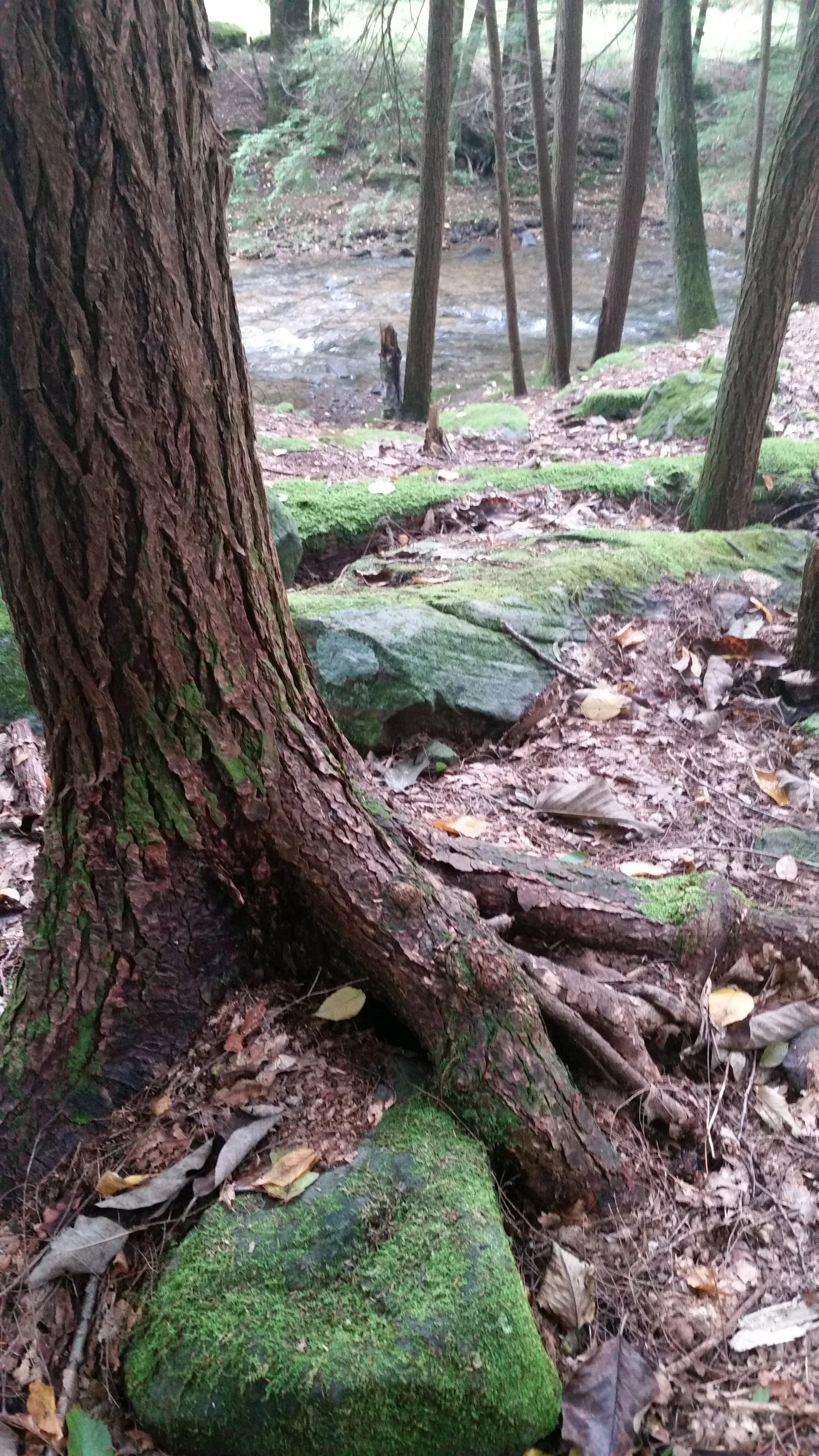
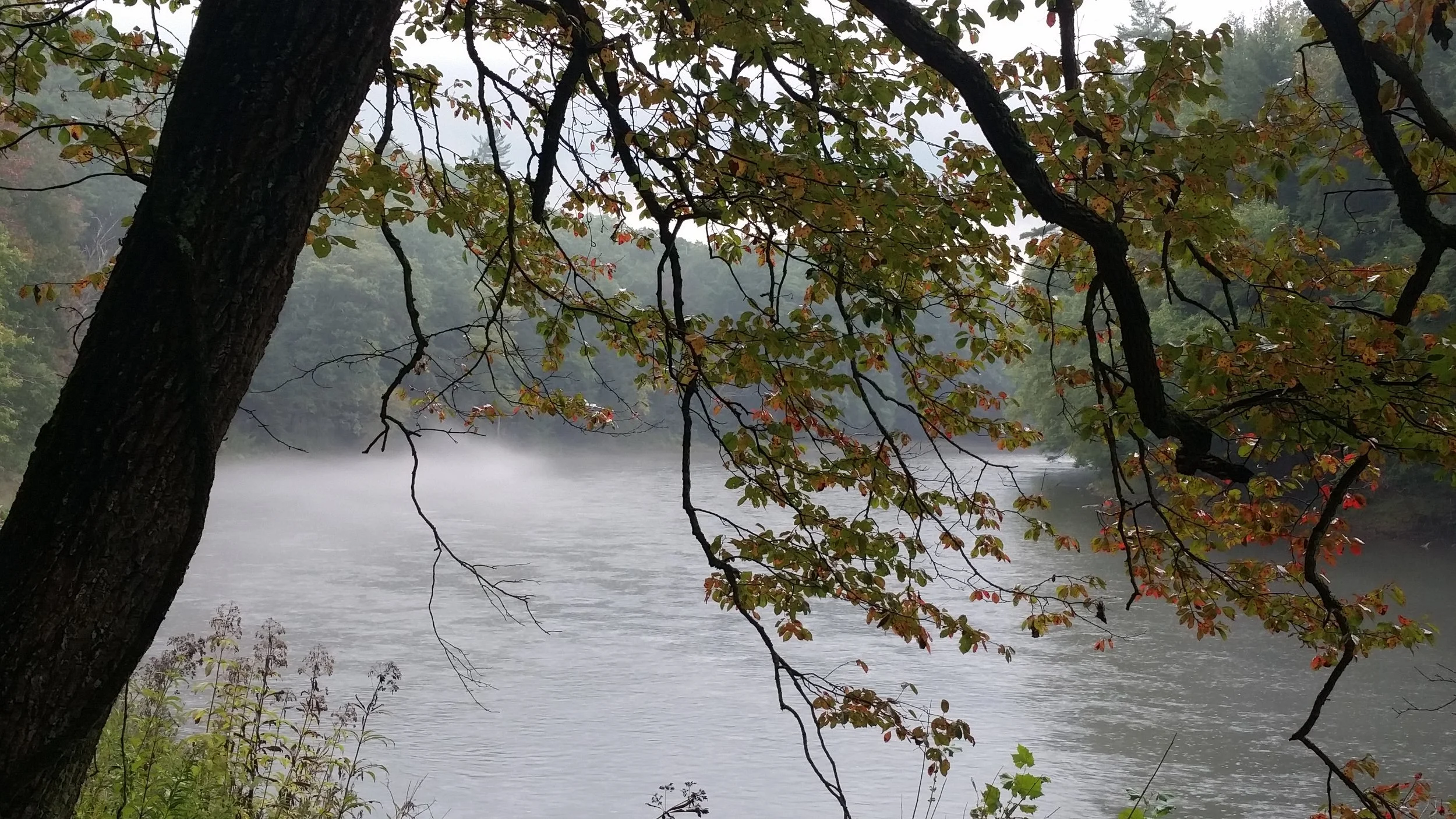
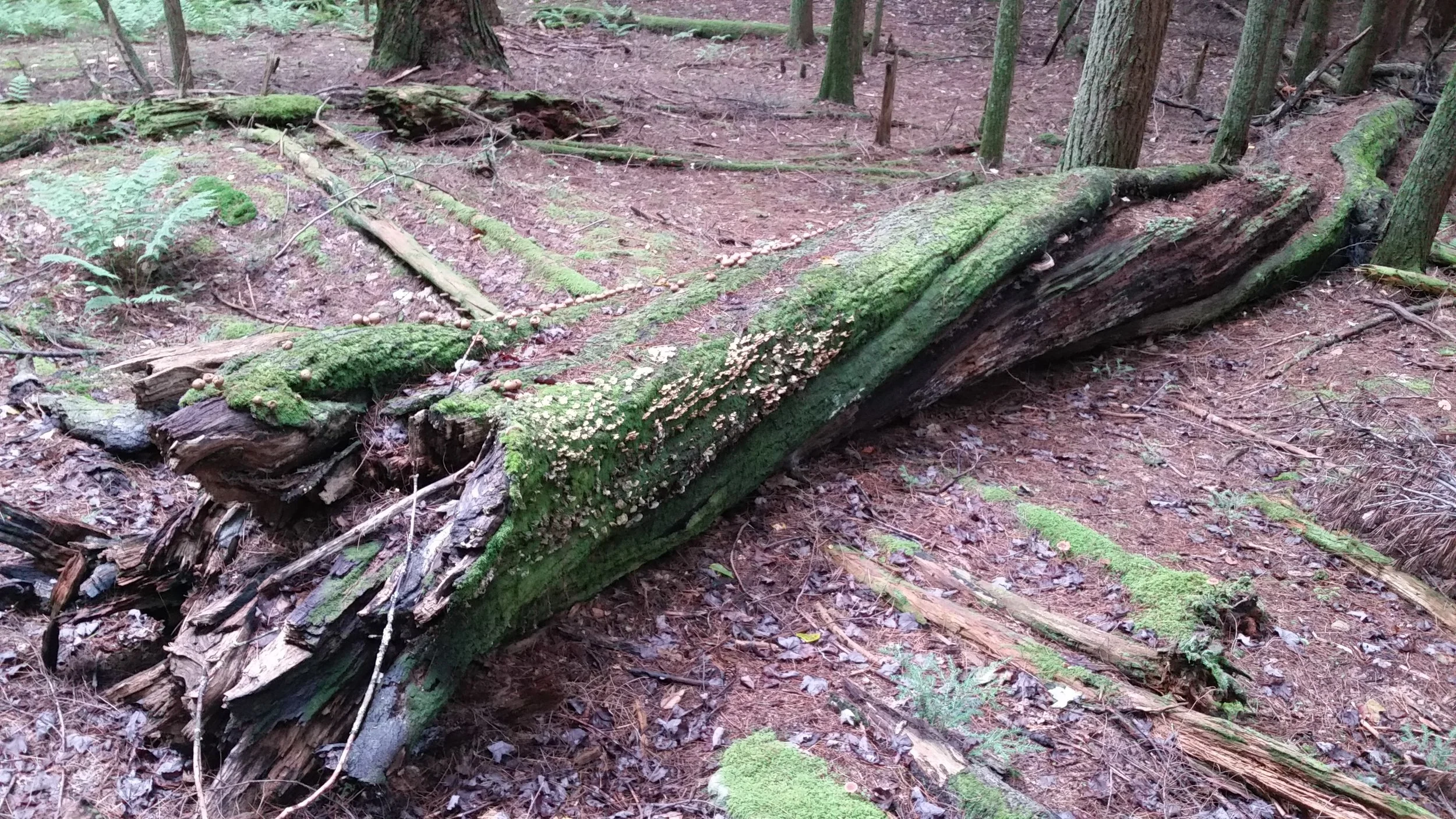
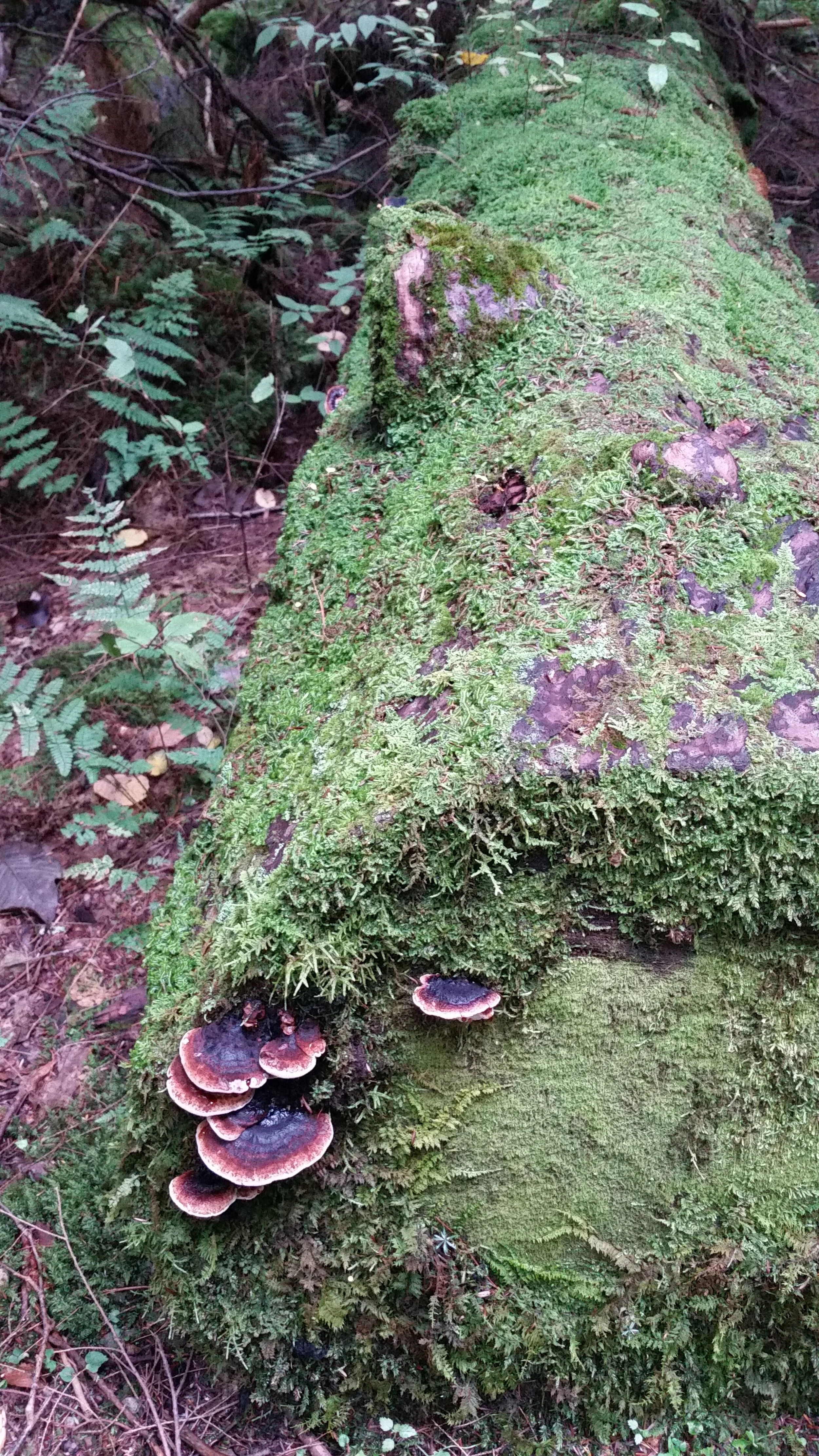
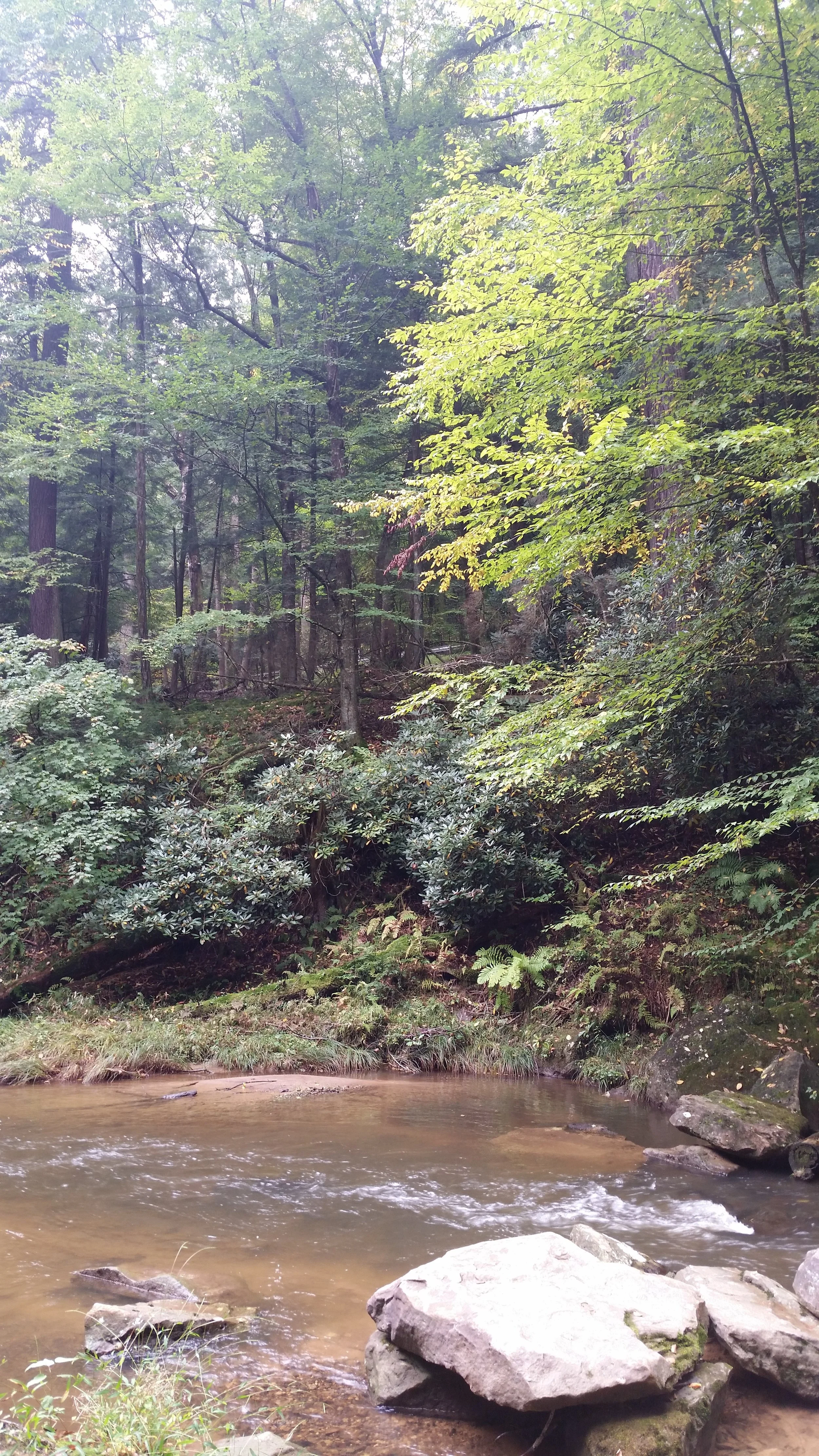
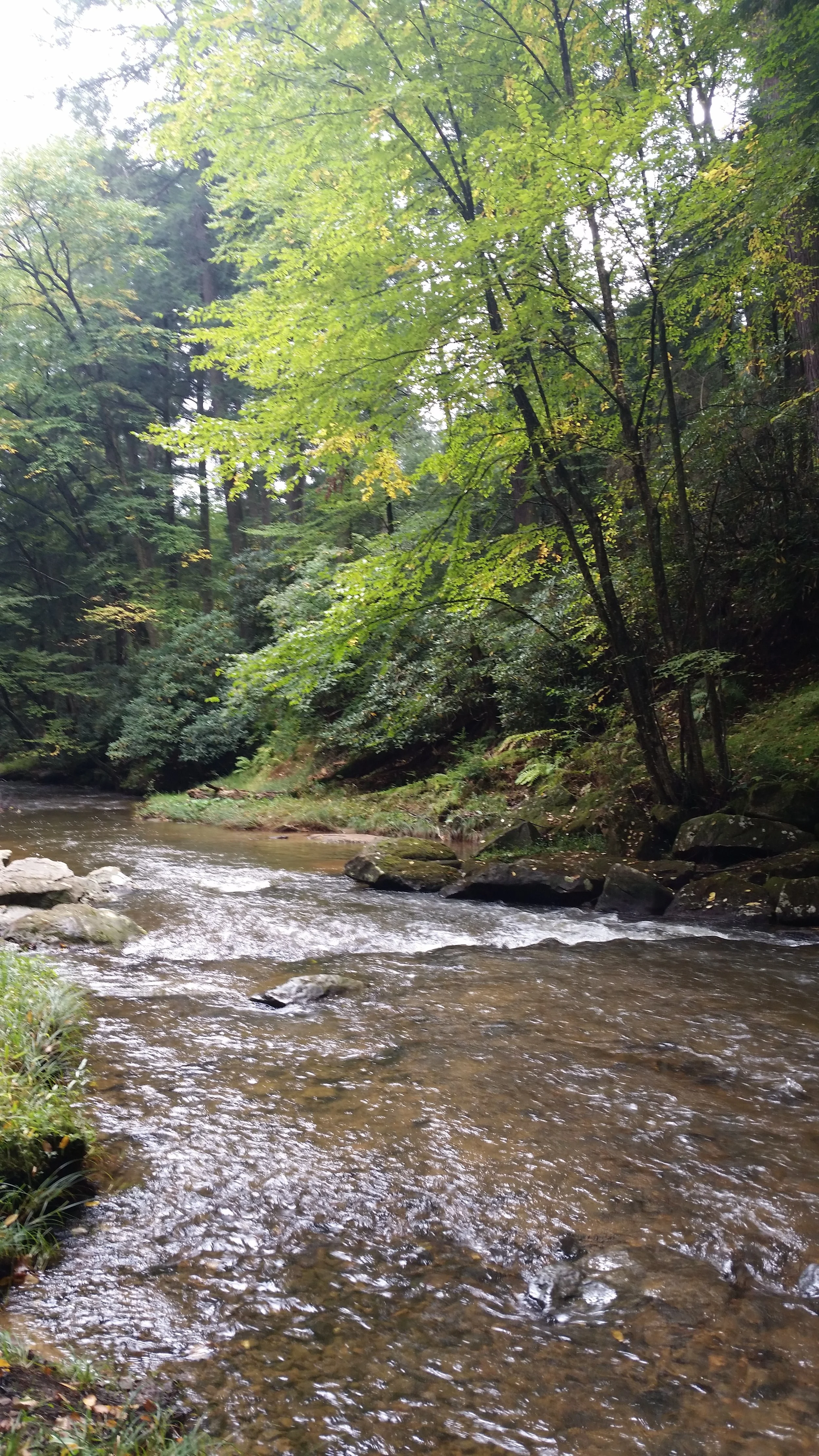
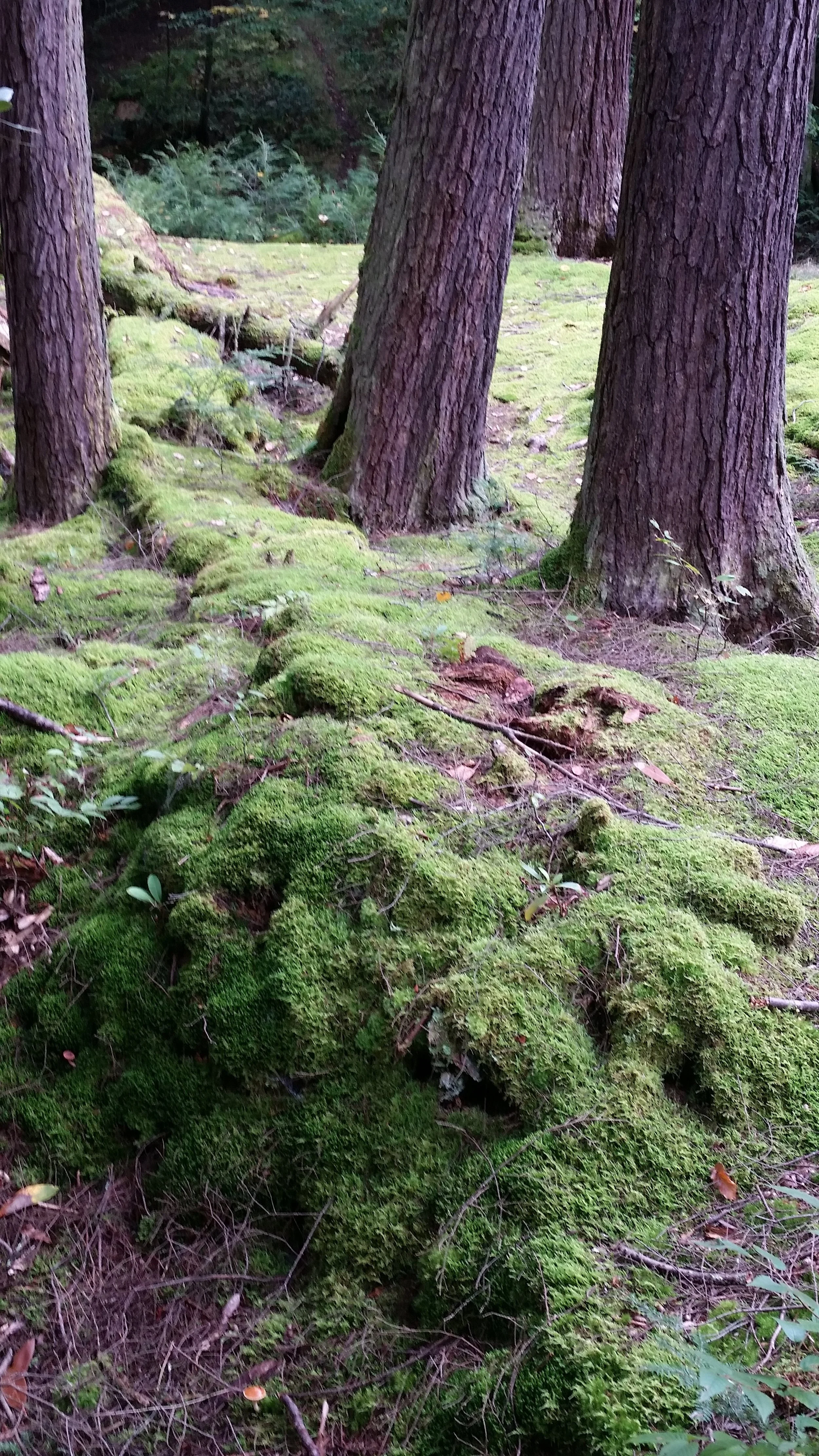
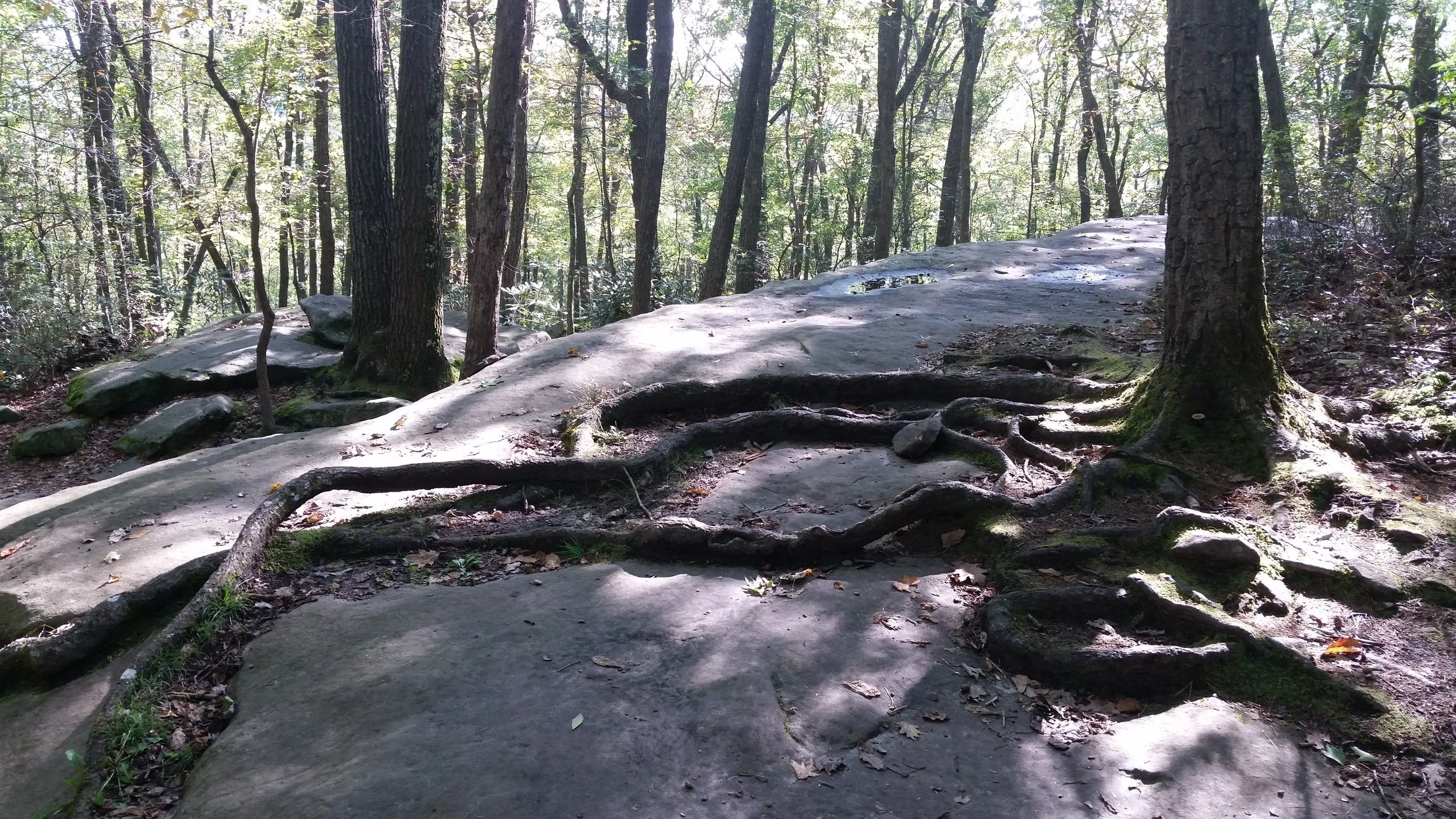
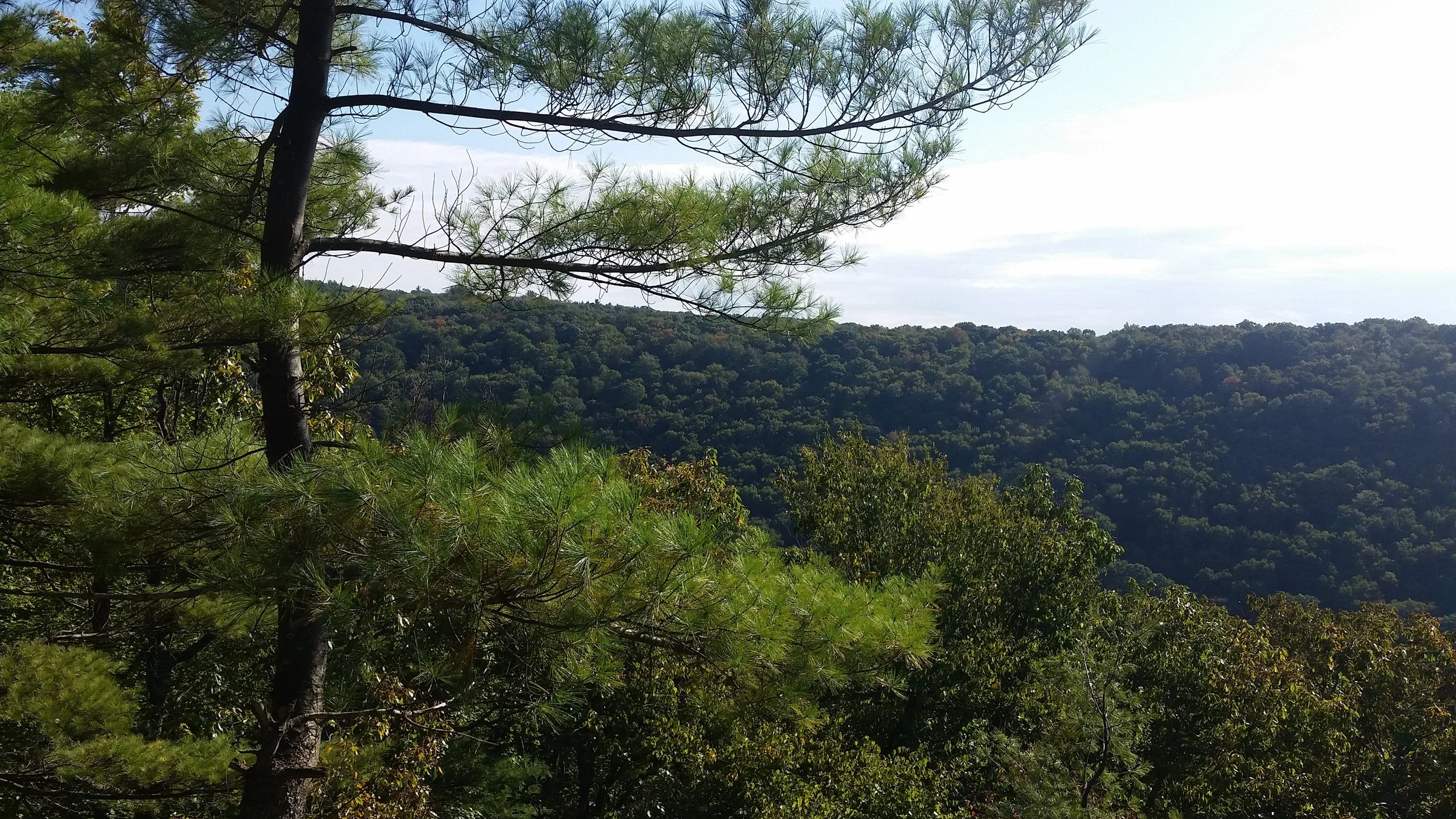
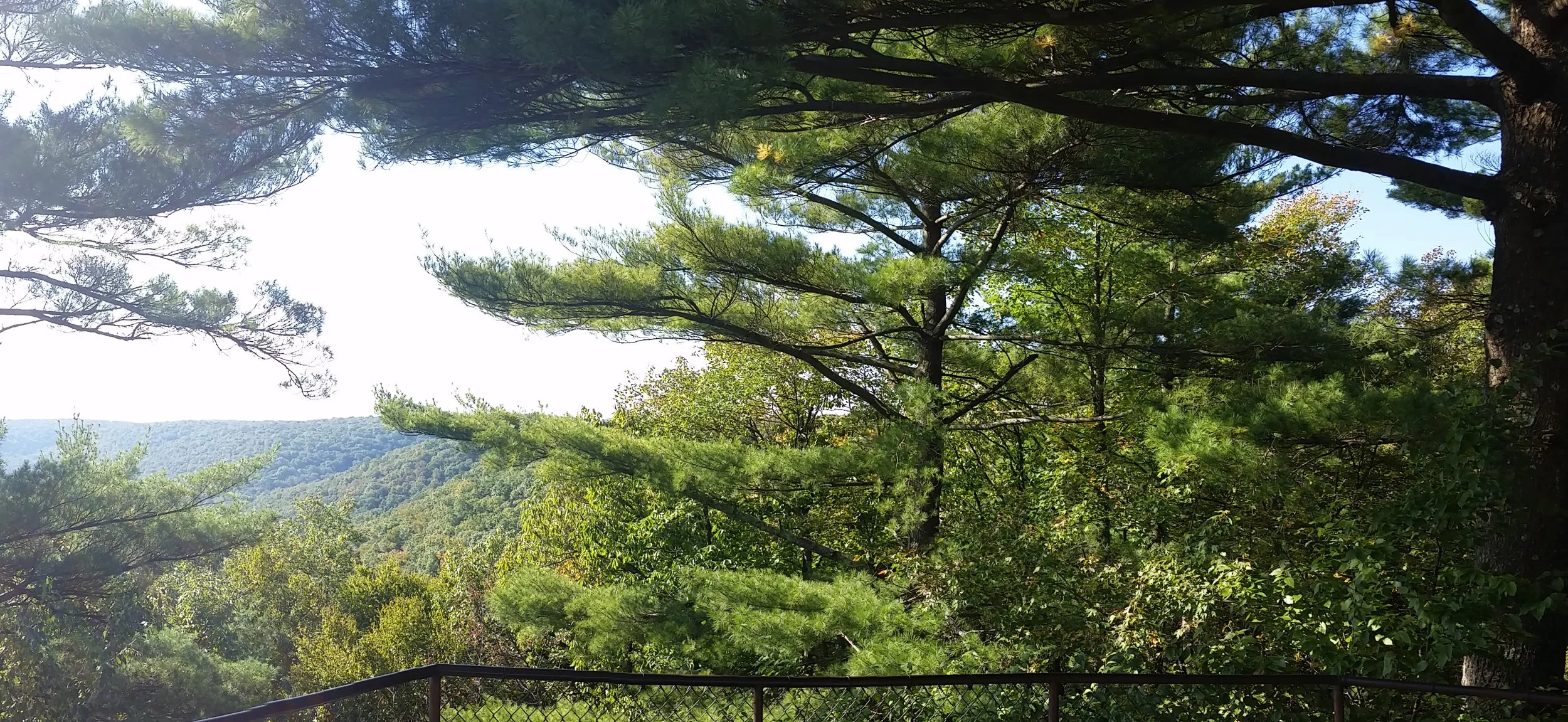
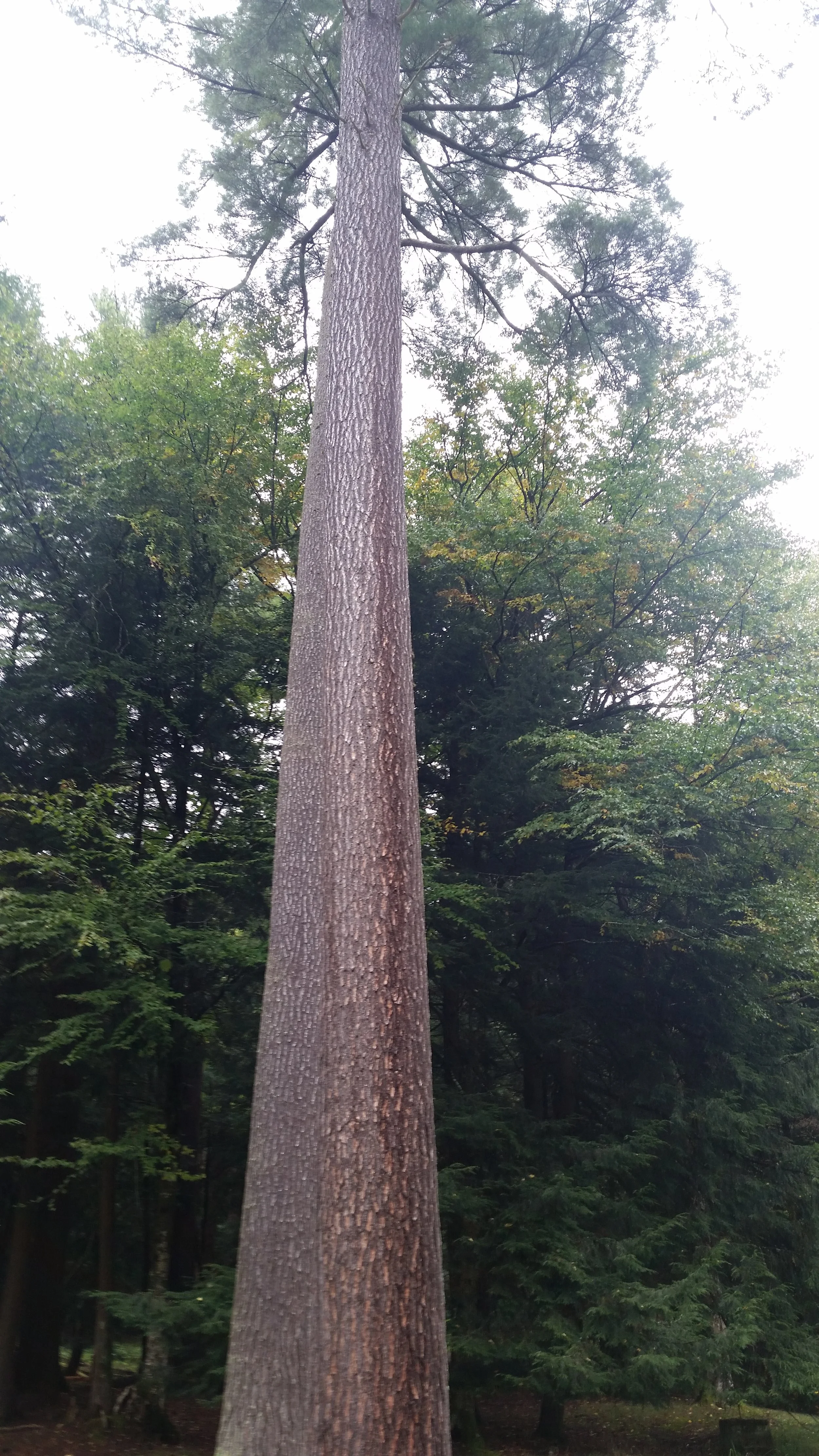
Ancient white pine and hemlock cover 2,300 acres in this PA park. There are beautiful trails in the Forest Cathedral, considered the finest stand of tall white pine and hemlock in the Northeast US. Some trees are 350 years old and 200+ feet tall.

If you have a favorite “local” camping area, please tell us about it. We can post about it as a blog or under “Our Nature” where we have posts on local trails and parks.

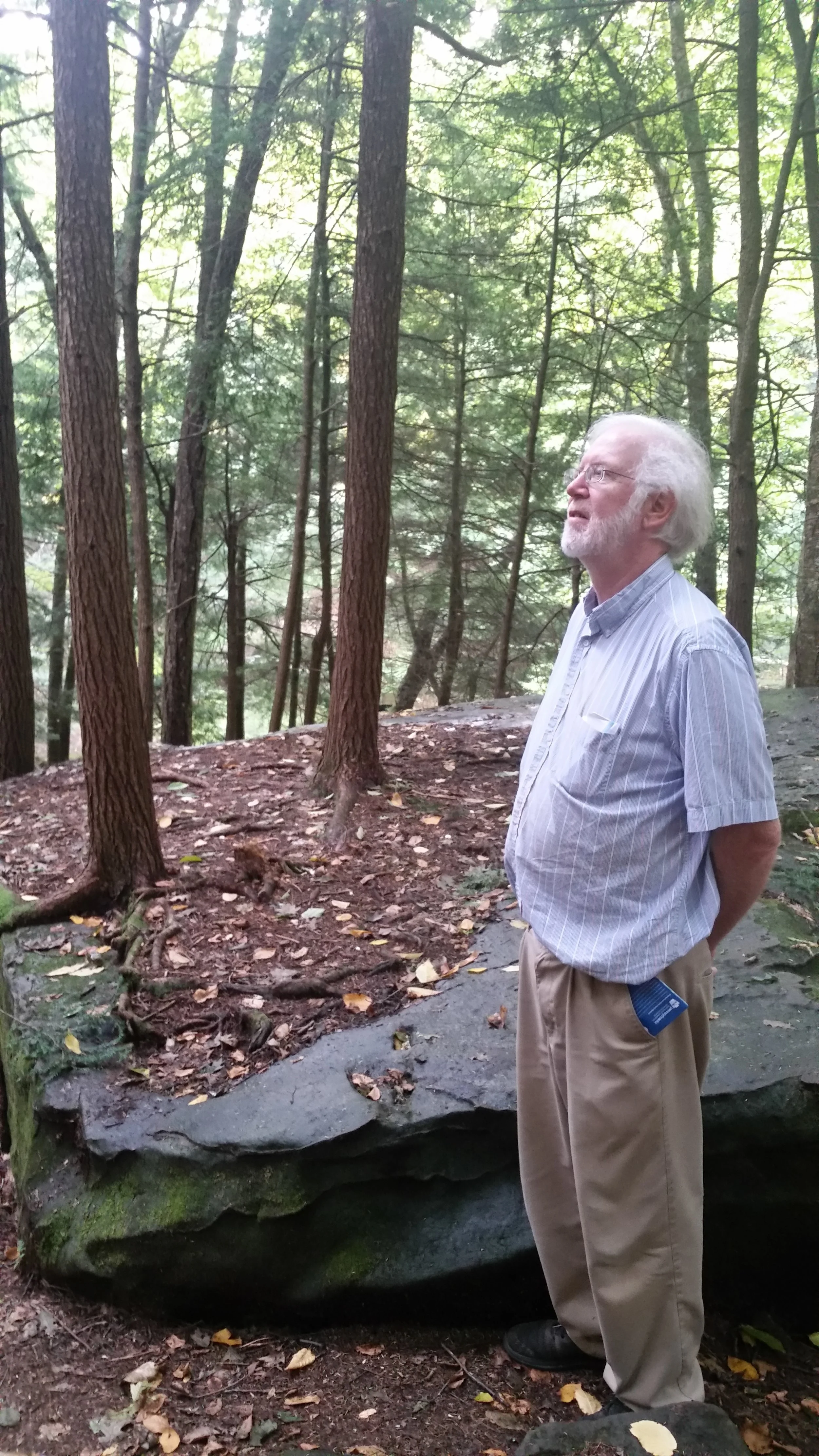
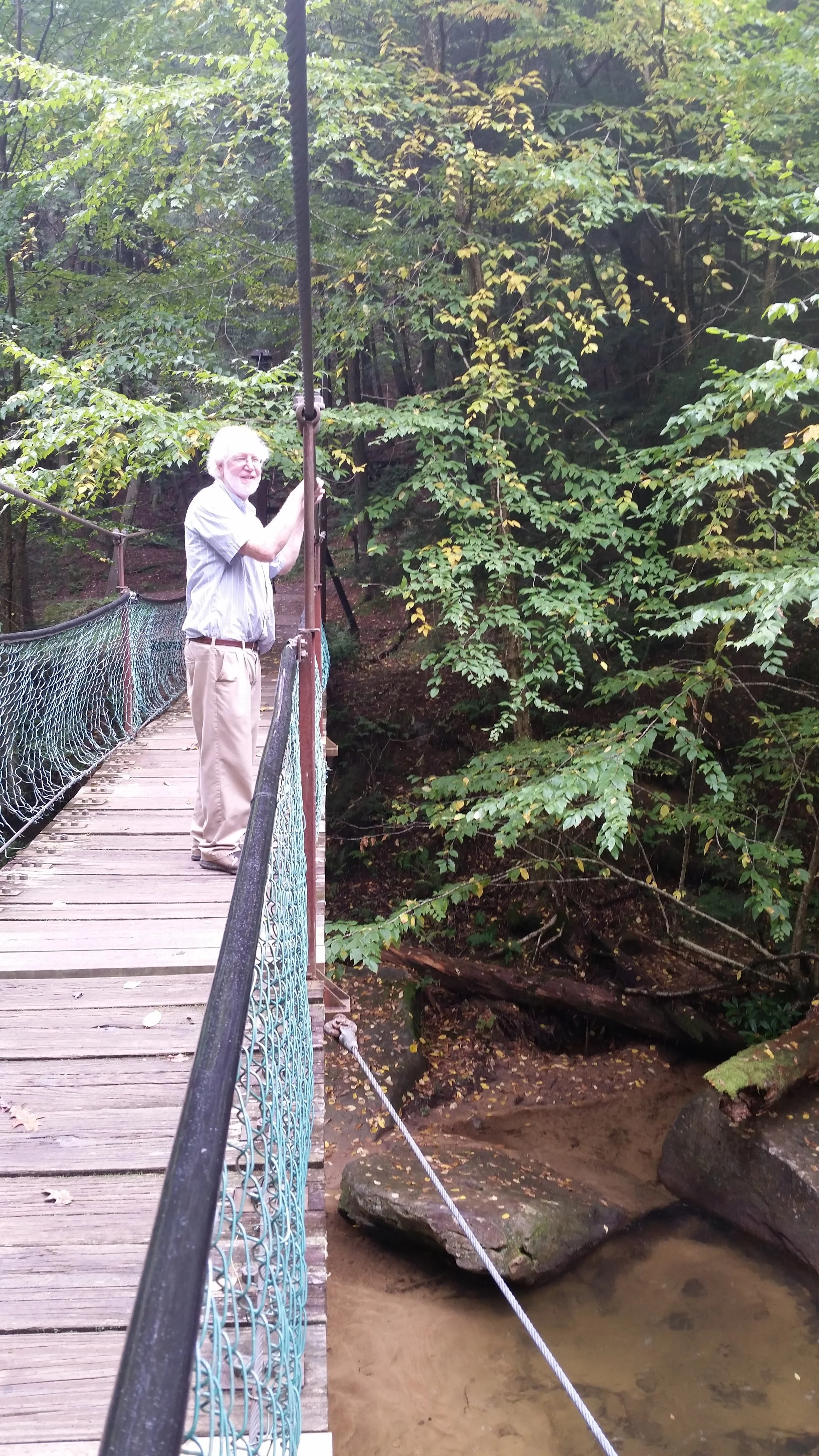
I love old trees so when I learned of Cook Forest in Pennsylvania, I decided we had to visit this park of 8,500 wooded acres. By visiting in the fall we were the only ones using the state park camp site (mid-week) on the first night with only one other cabin used the second night. There’s a two night minimum for the cabins ($40/night). I’d guess this is a very busy area in the summer from all the tourist signs and services in the area near the park.
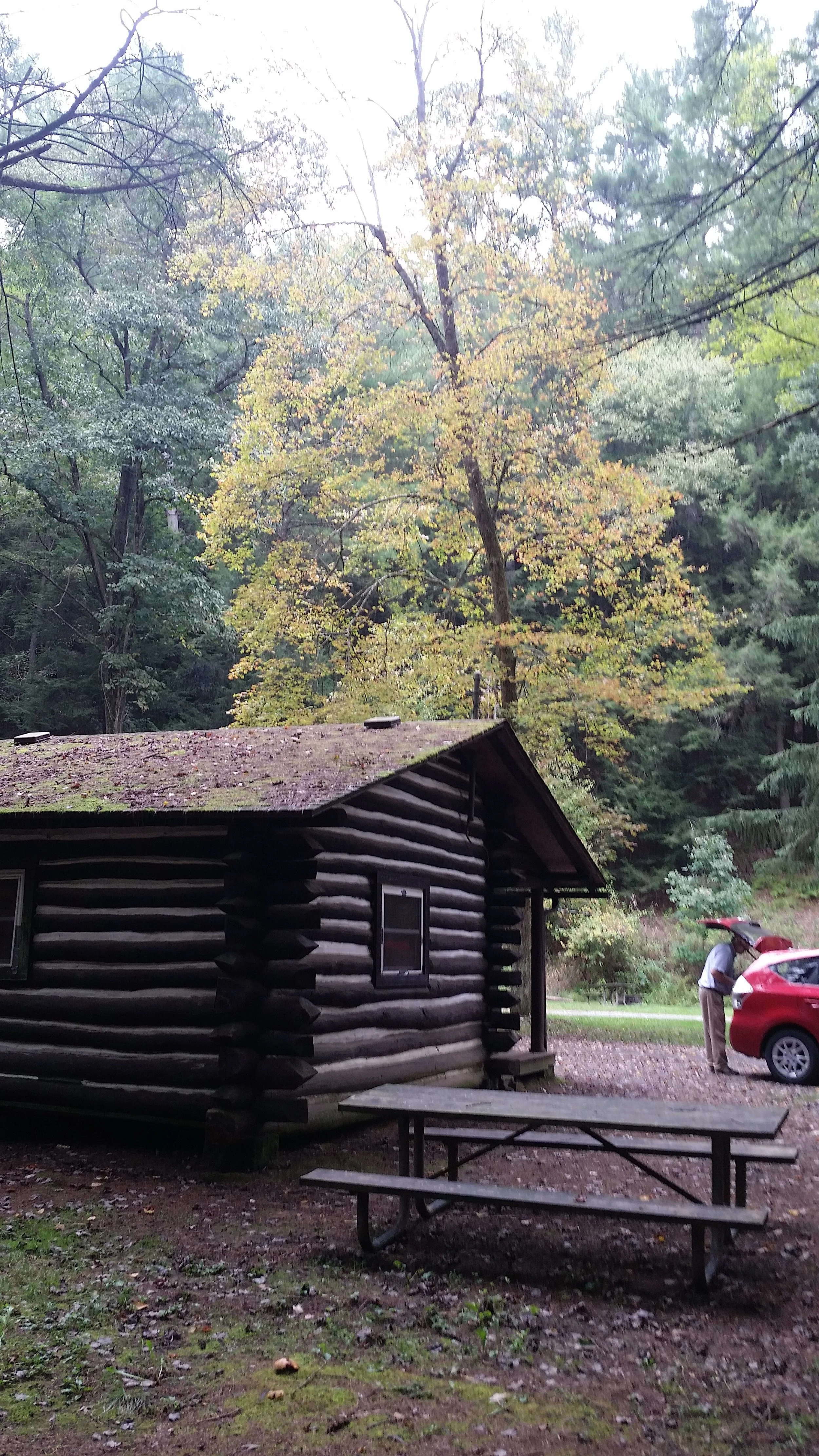
Above photos are from the trail we walked just behind our cabin. My hiking is limited these days due to an ankle injury but for the more able, there are many trails nearby. Another option is to float down the Clarion River which borders the park. Water was running too high when we were there but canoes can be rented for $30 which includes being dropped off at a launch site.
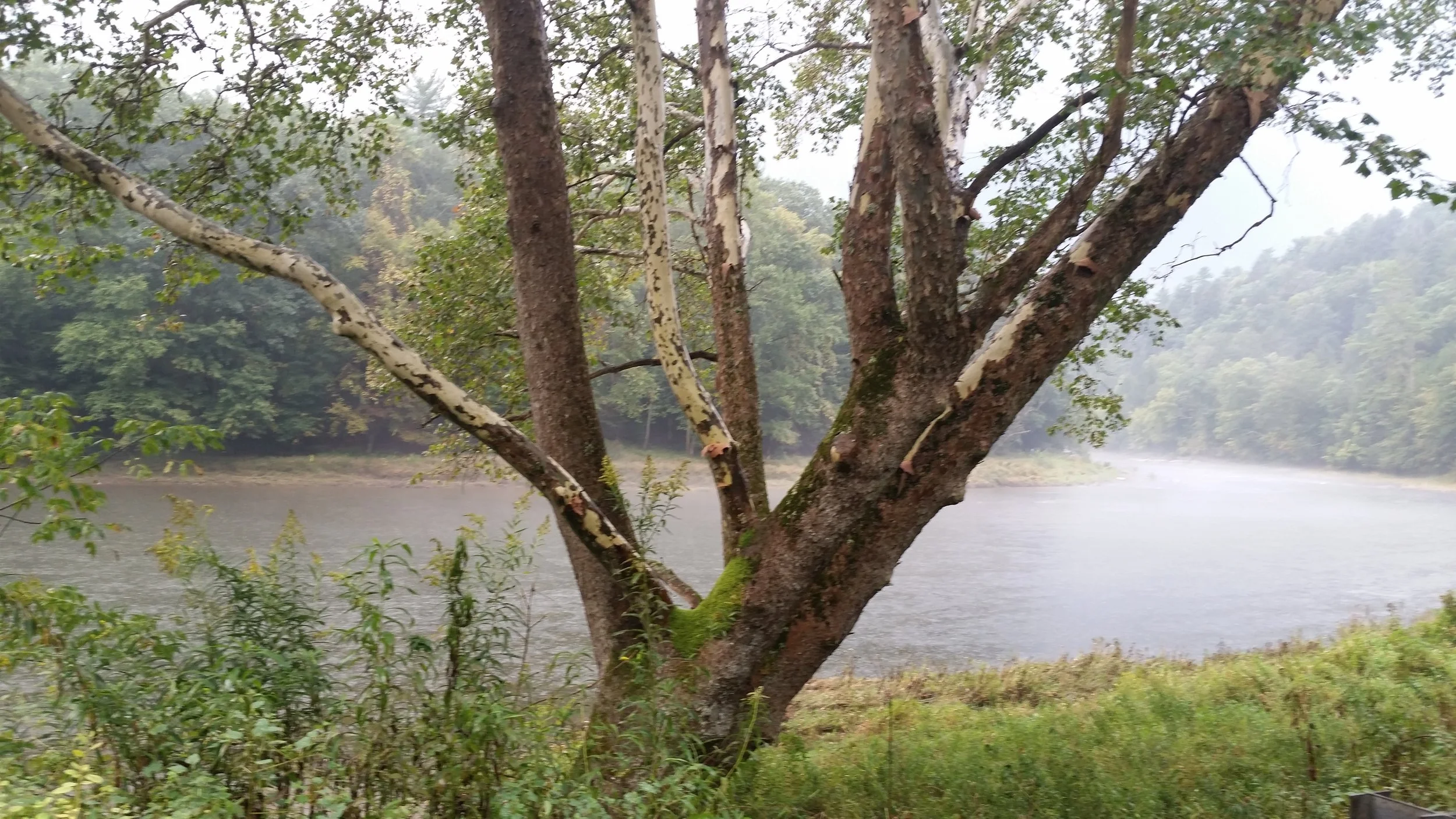
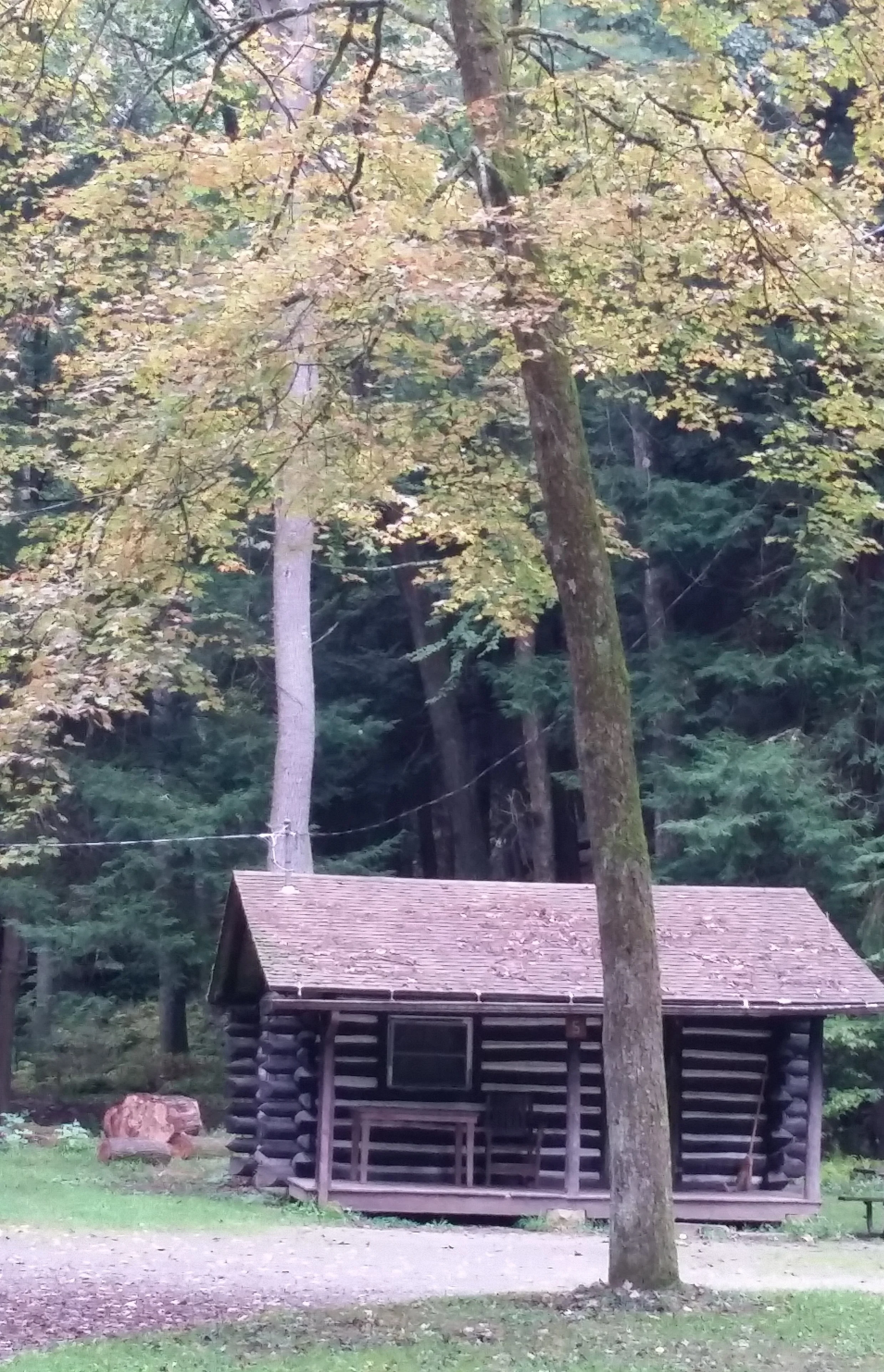
Camp cabins were built by the CCC in the 1930s and retain the charming furniture created then. I forgot to pack dishes and spoons but could improvise with a piece of apple and recycled paper bowl. Part of the fun of not staying in a hotel is getting to improvise. I hope you consider doing a local vacation and stay in our many area parks — no need to go far for nature. — Merikay
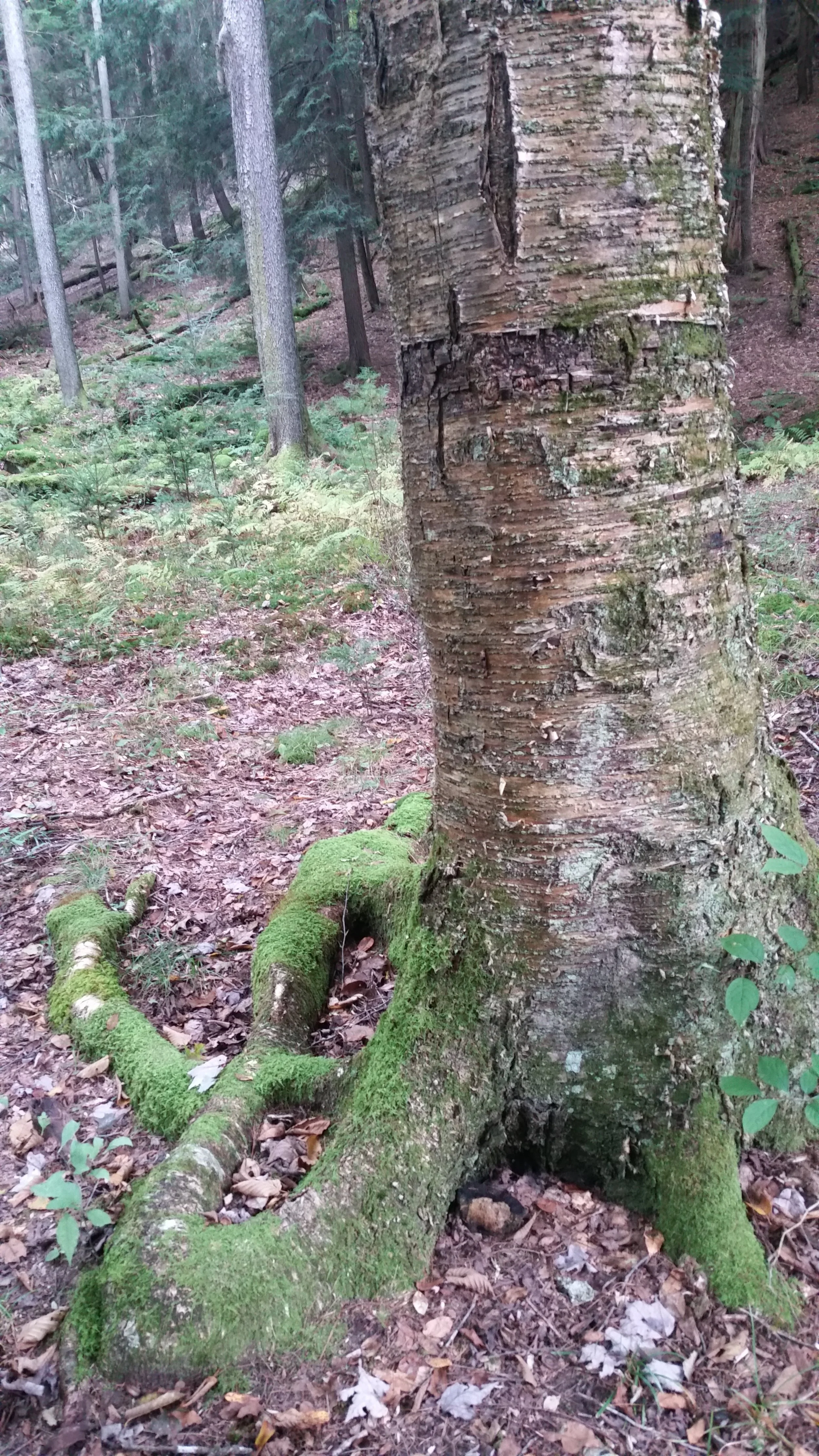
Click on photo above to see slide show. First photo shows a tree that has died at least in part because someone cleared a substantial area of bark to carve.

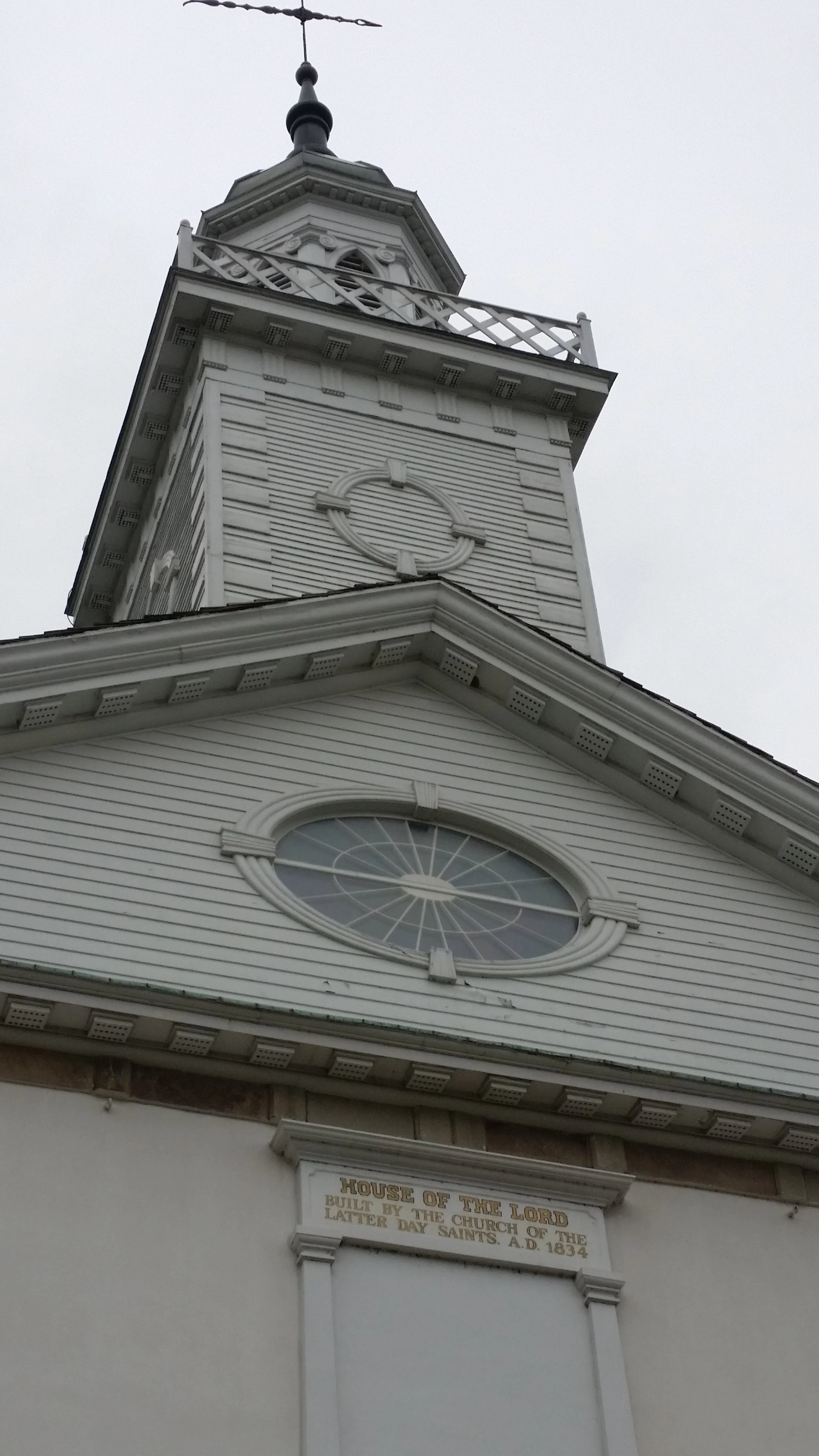
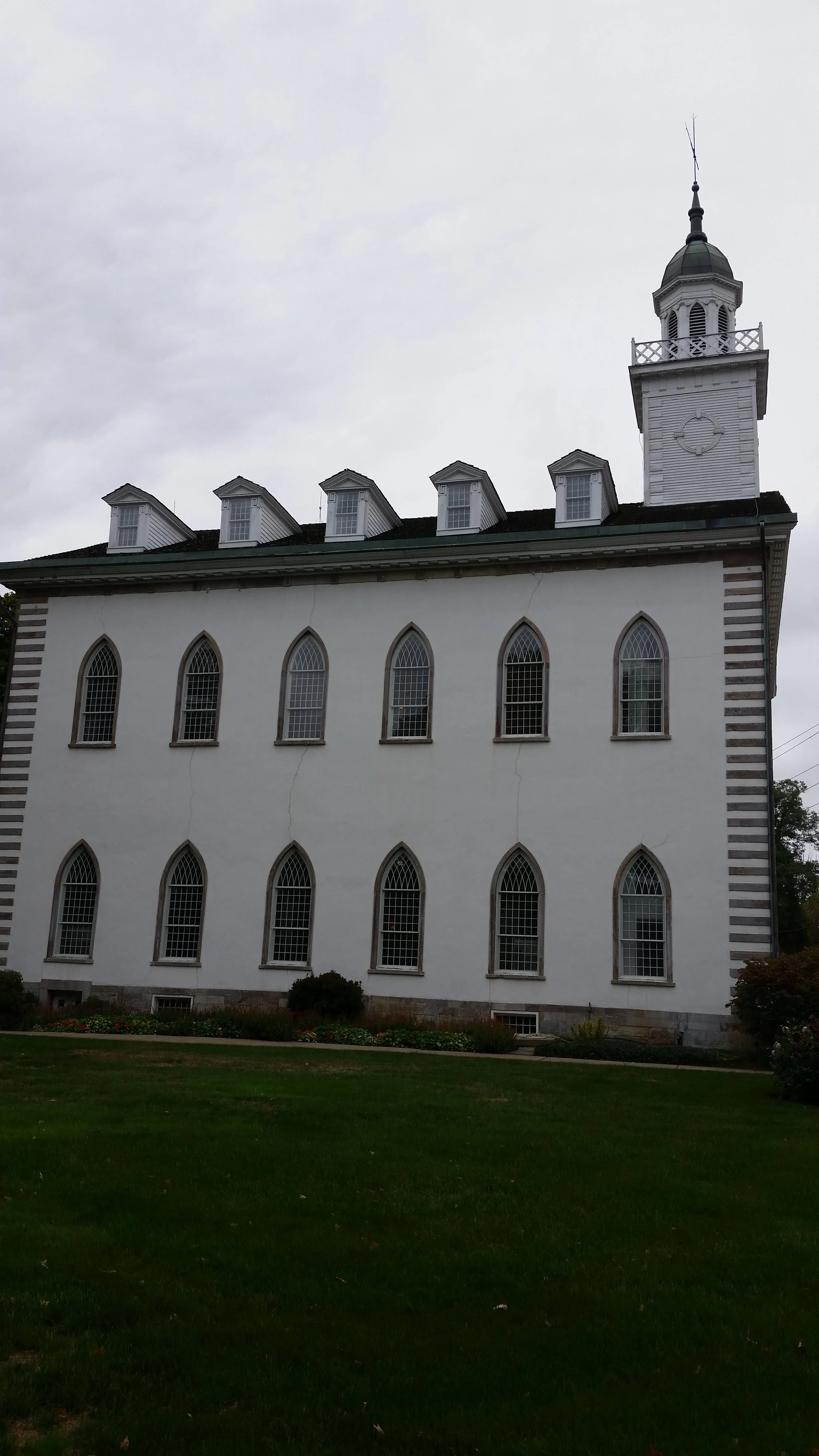
If you have more time, another great wooded outing in that area of PA is the beautiful Fallingwater, the masterpiece by Frank Lloyd Wright designed in 1935. It’s near the Youghiogheny River and waterfall. More adventurous kayakers enjoy this river for its rapids. Another nearby site is the historic Ft. Necessity where George Washington’s battle leading British troops against the French led to what we know as the French and Indian War. For us the highlight of the trip was seeing the Kirtland Temple and associated historic sites like the N.K. Whitney store. It’s only a few miles from Lake Erie which is an awesome sight too.

Par Rasmussen, "Let's Do Service"

Par let's do service.jpg

Par's personal journey to earth stewardship inspires me.  What you don't see in the video below is that Par has spent his life in service caring for Creation.  His motto, "Let's do service!", isn't just a tag line on his emails, it is what he does daily. I hope you'll enjoy this video he has created -- the first of what we hope will become many as we lift each other in our efforts to serve our Creator and creation.

Sky Gratitude

Image photo from Benjamin Davies.

Image photo from Benjamin Davies.

My father taught us to marvel at the changing cloud patterns and sunrise and sunsets with gratitude to our Creator. Have you been inspired by the sky's molten mirror?  Here are some sky images to inspire -- please send me a photo of a sky that has inspired you and I'll post it here.  (merikays@verizon.net)  

Click on the photo below to see slideshow.  Photos from Terri Pitts, Ralph Johnson (2), Matthew Wahlquist, Merikay Smith (4).

Summer Sunshine

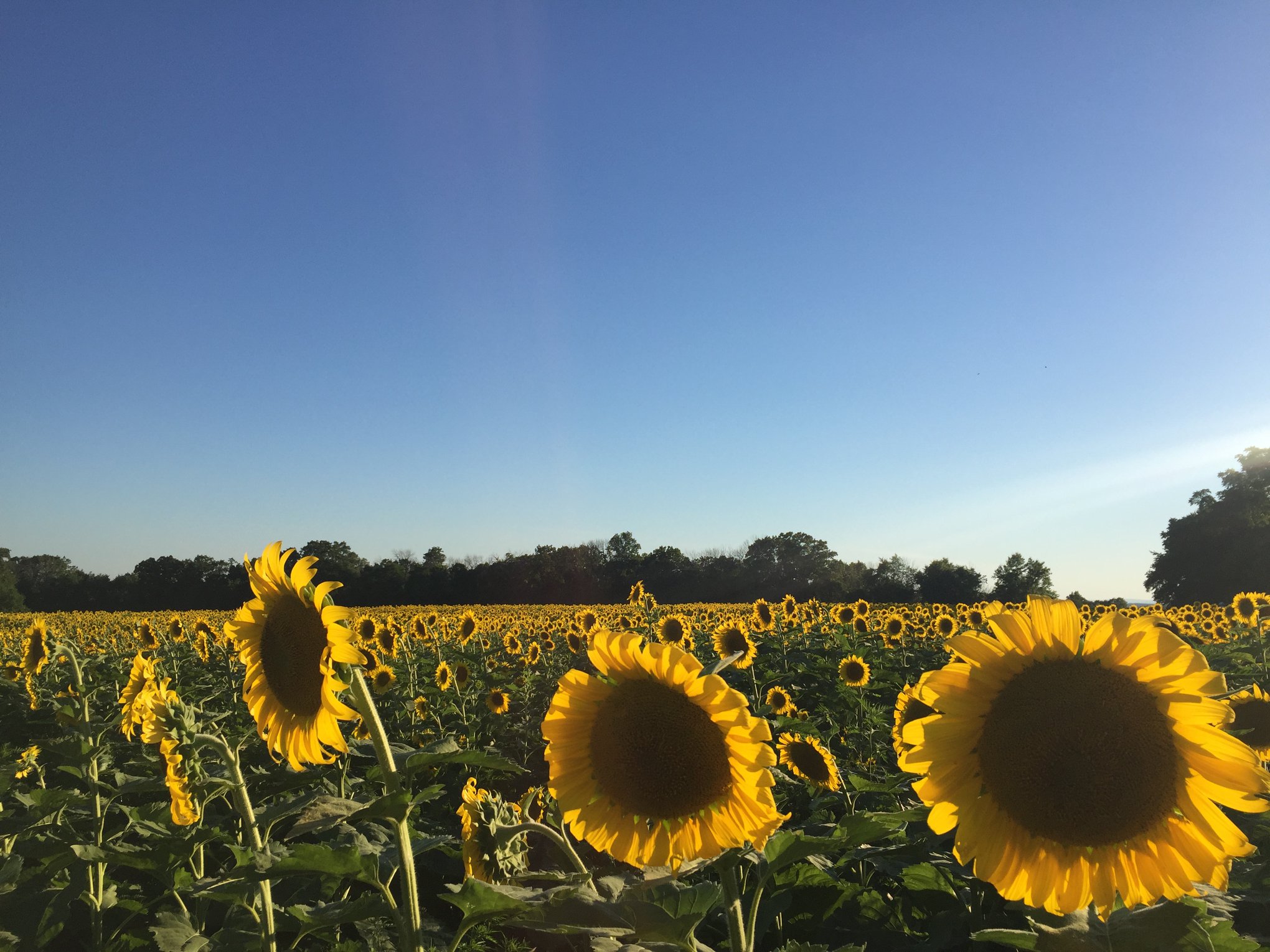
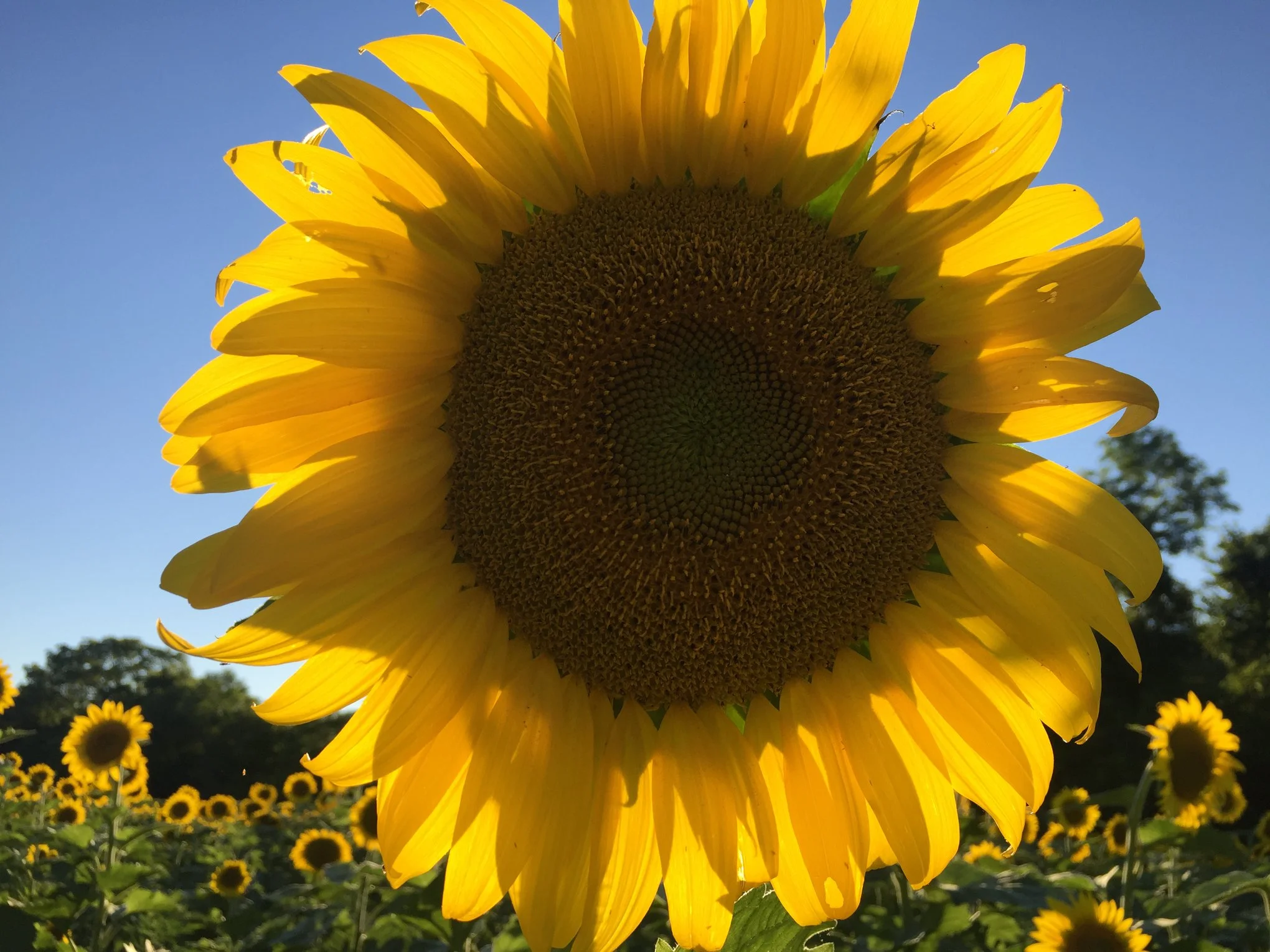
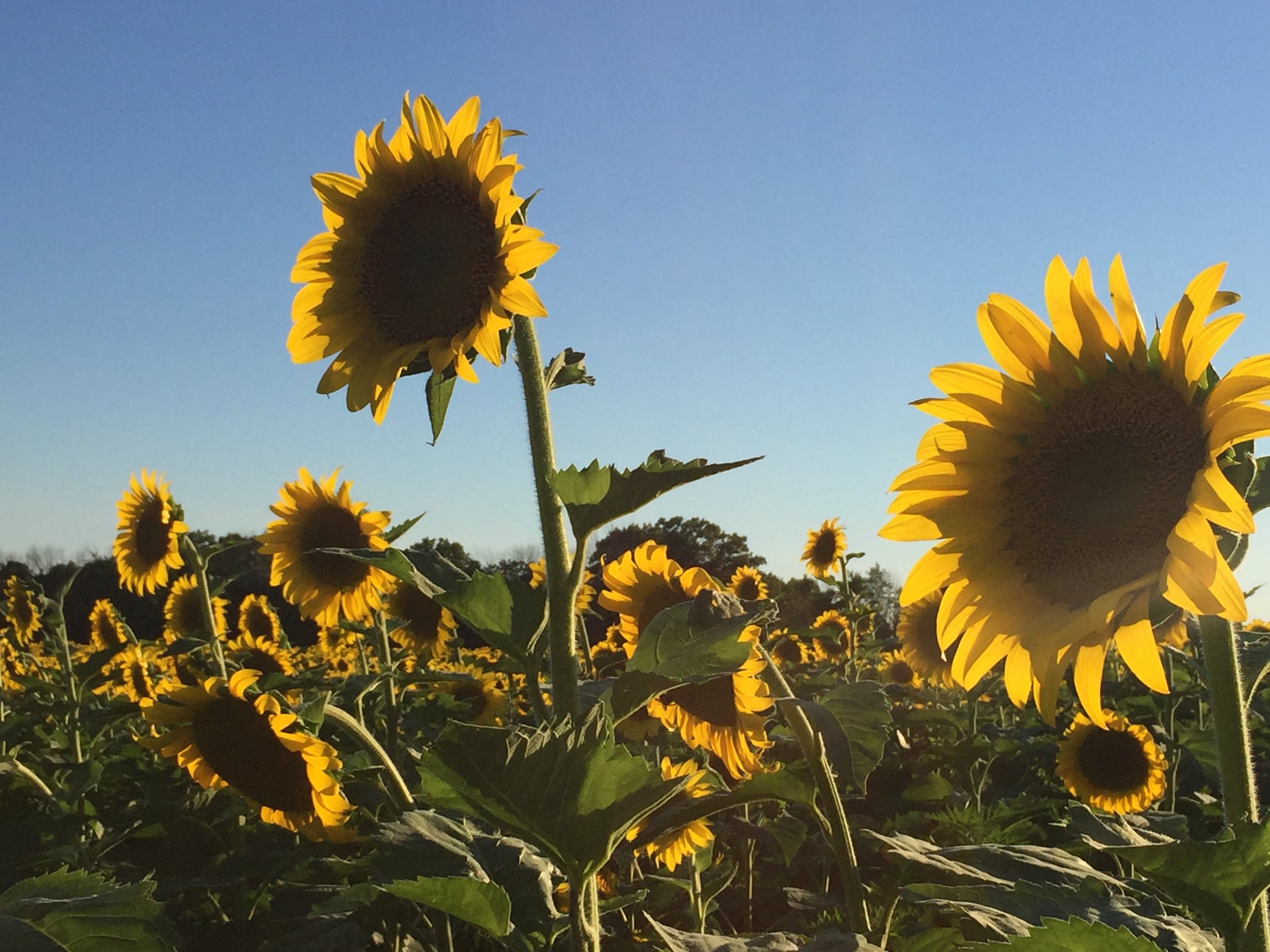
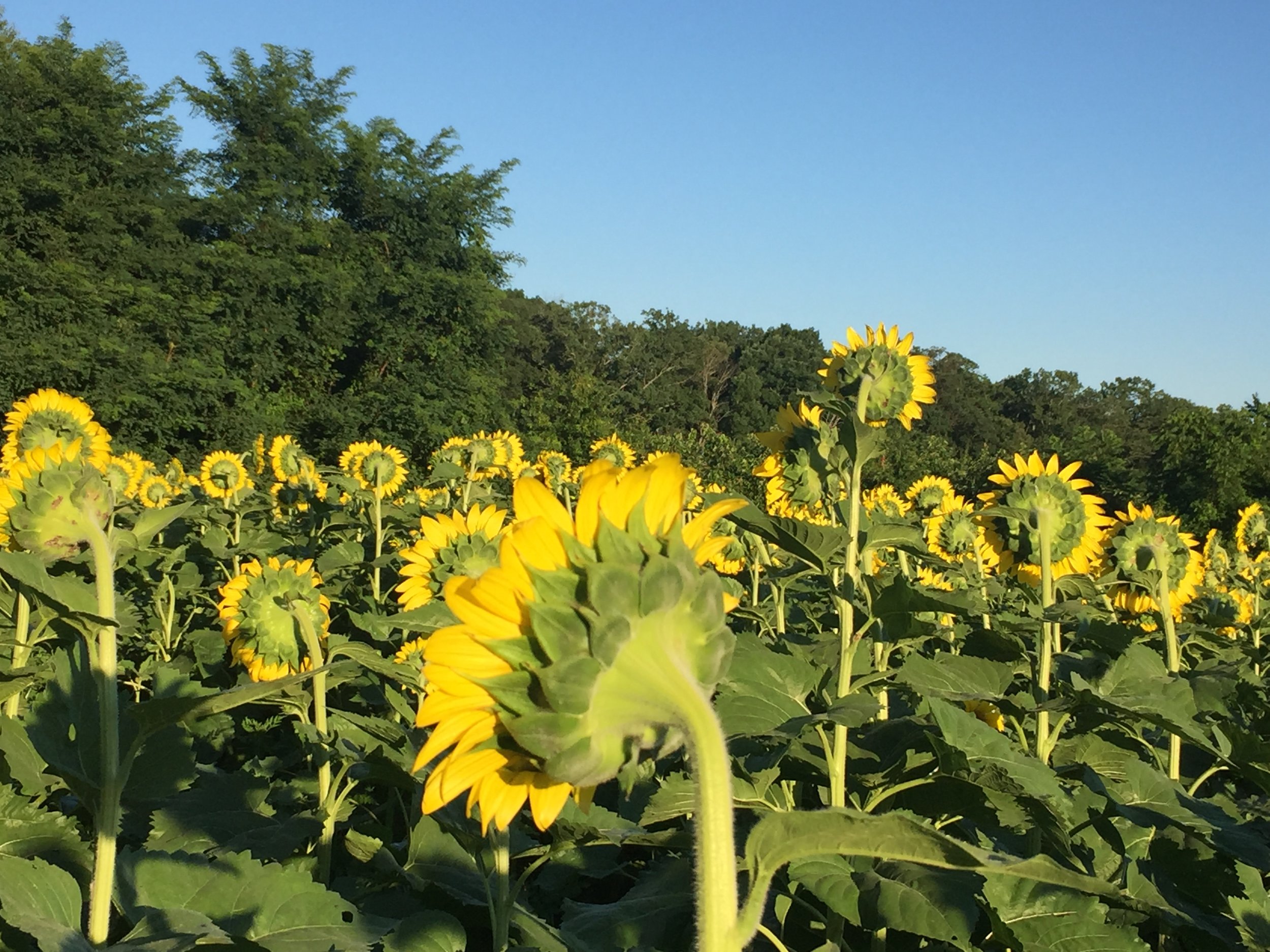
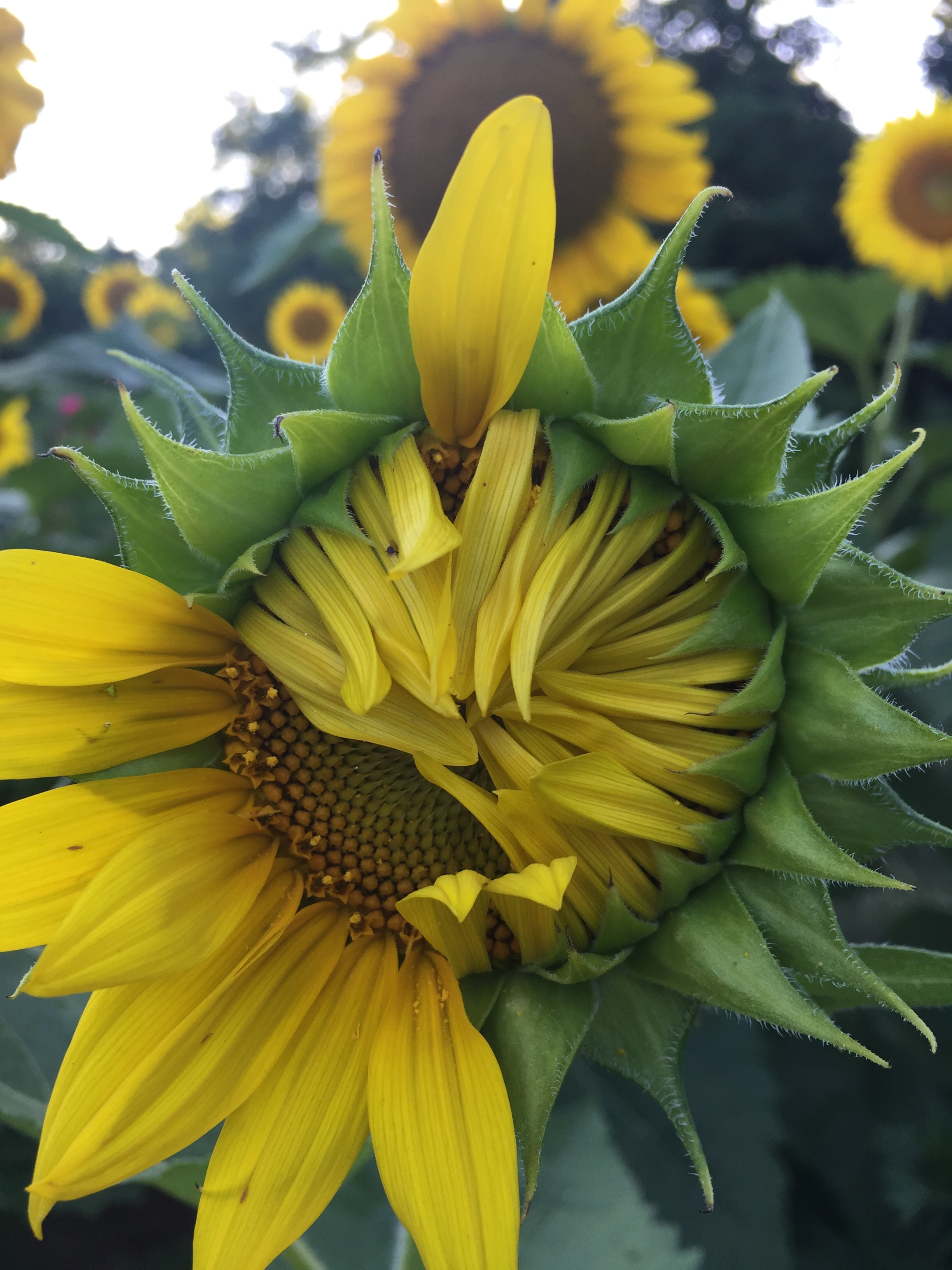
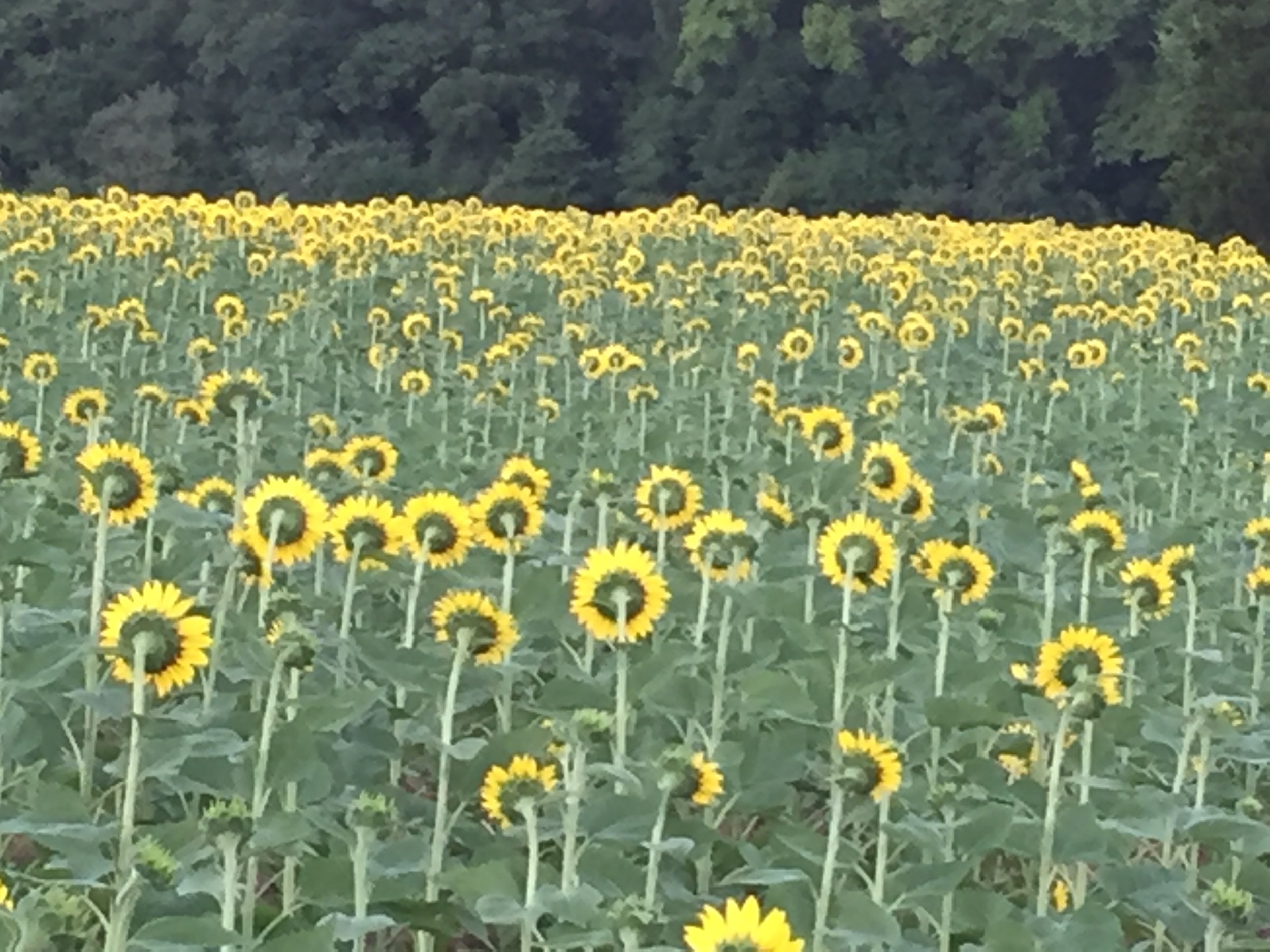
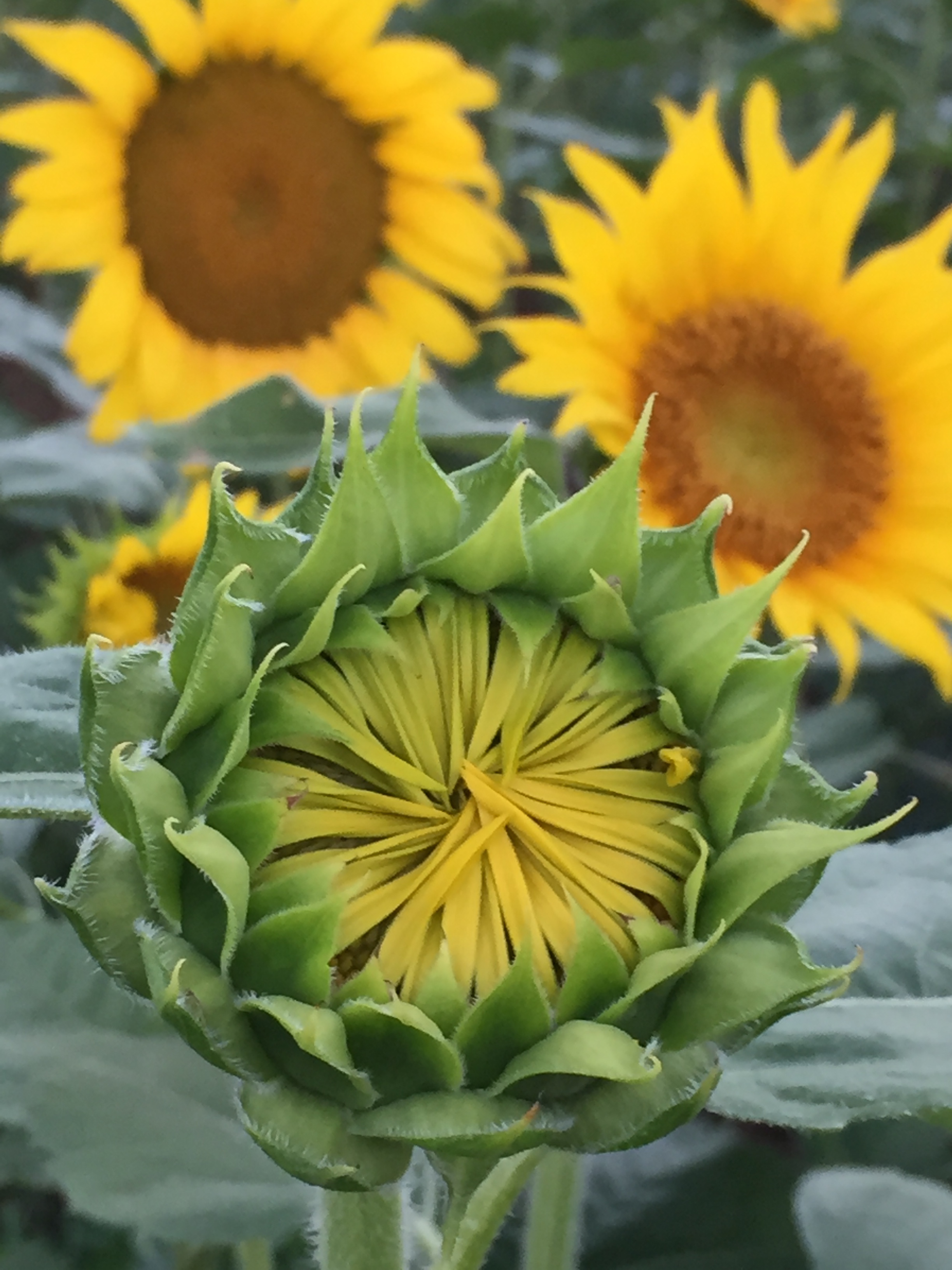
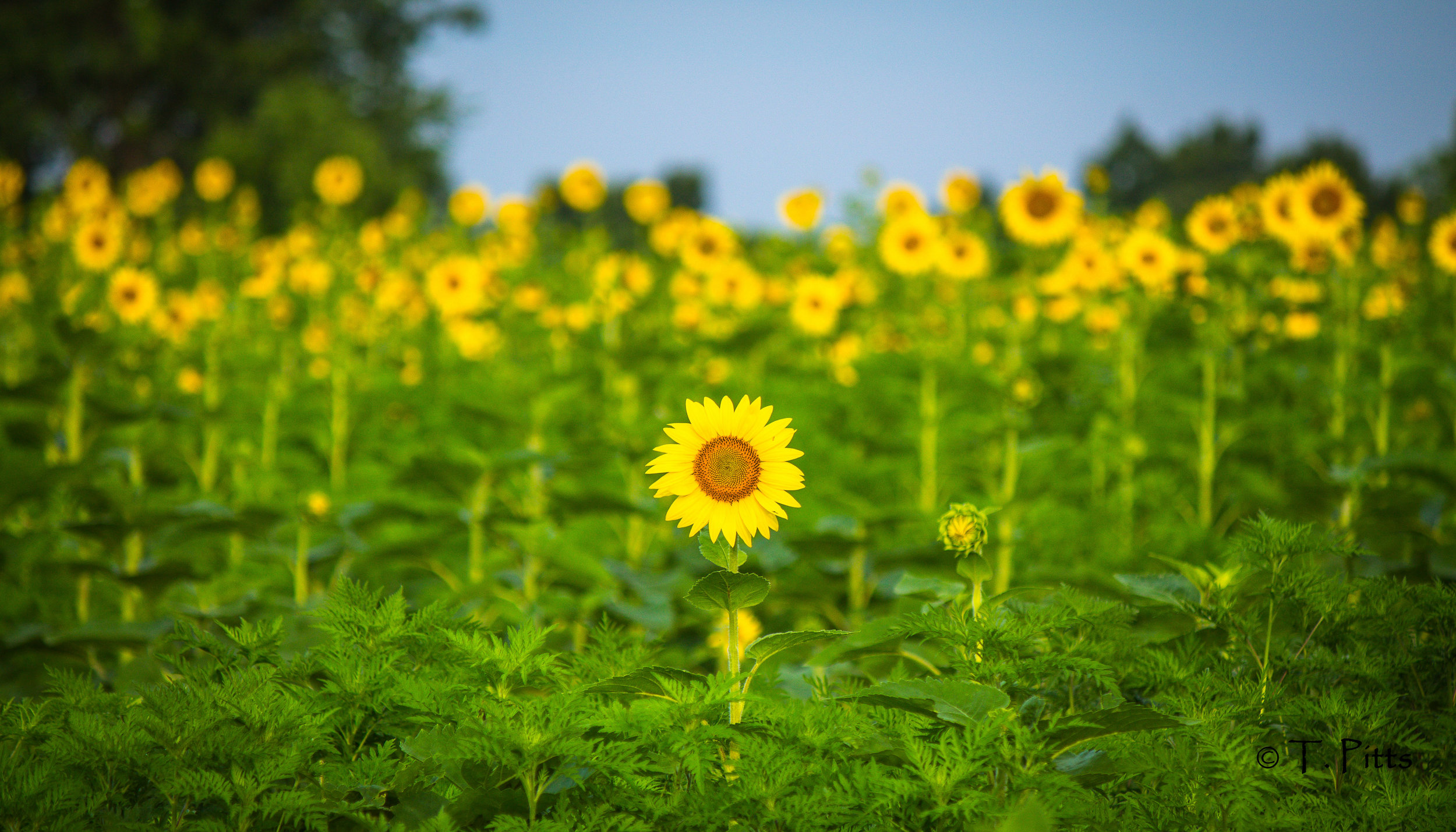
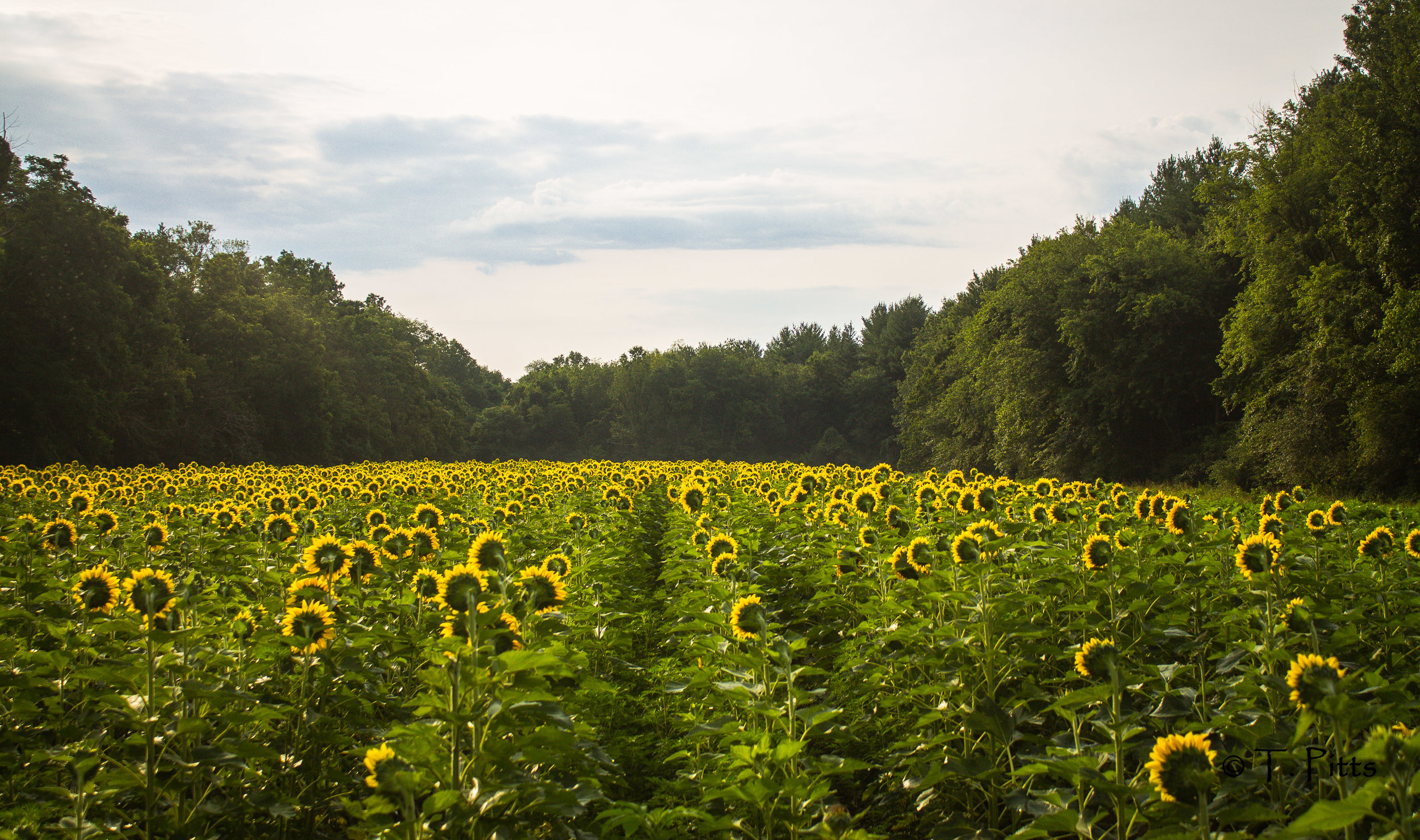
This is a great week to visit McKee-Beshers Wildlife Management Area to see the fields of sunflowers.  Helianthus annuus, the common sunflower is one of 70 Helianthus species, 67 of which are native to North America.  Sunflowers are grown for oil and seeds as well as its sunny yellow flowers.  There are three large fields of sunflowers at McKee-Beshers and all are in full bloom now.  Park to the side of River Road just before Hunting Quarter Road to walk to the main field which is not visible from the road. There's a wood sign at the entrance. Photos above were taken on July 8, 2018.

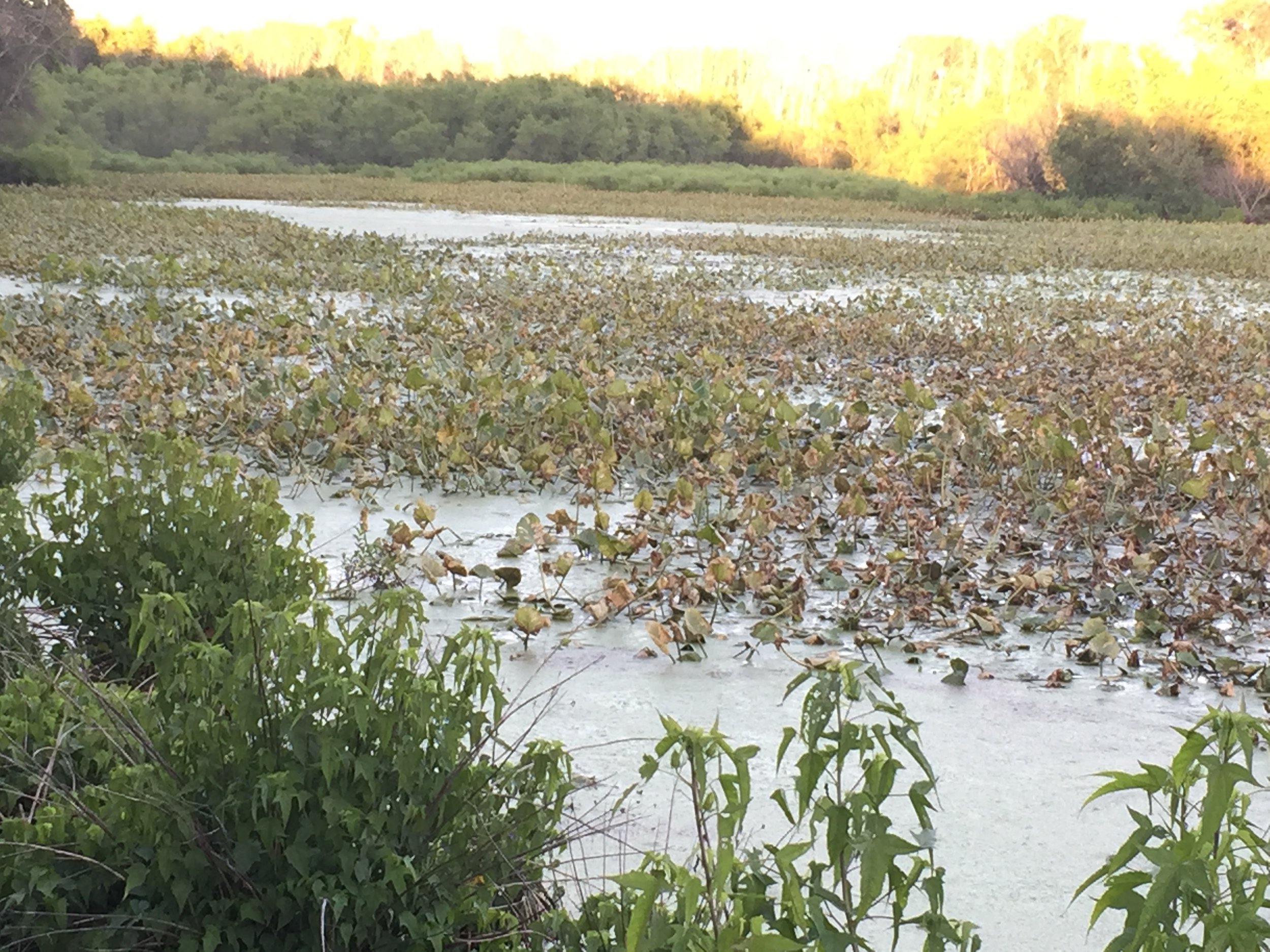
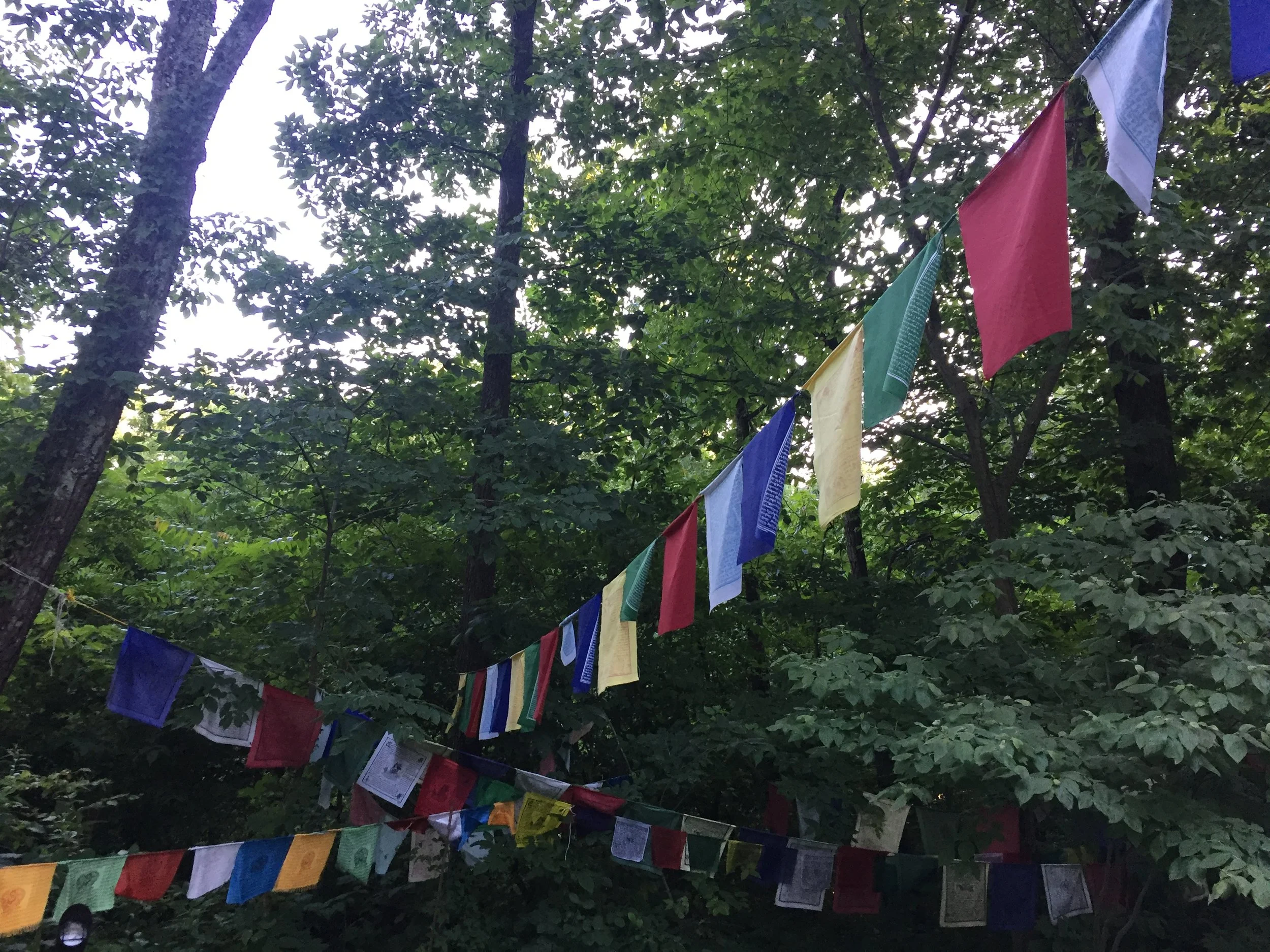
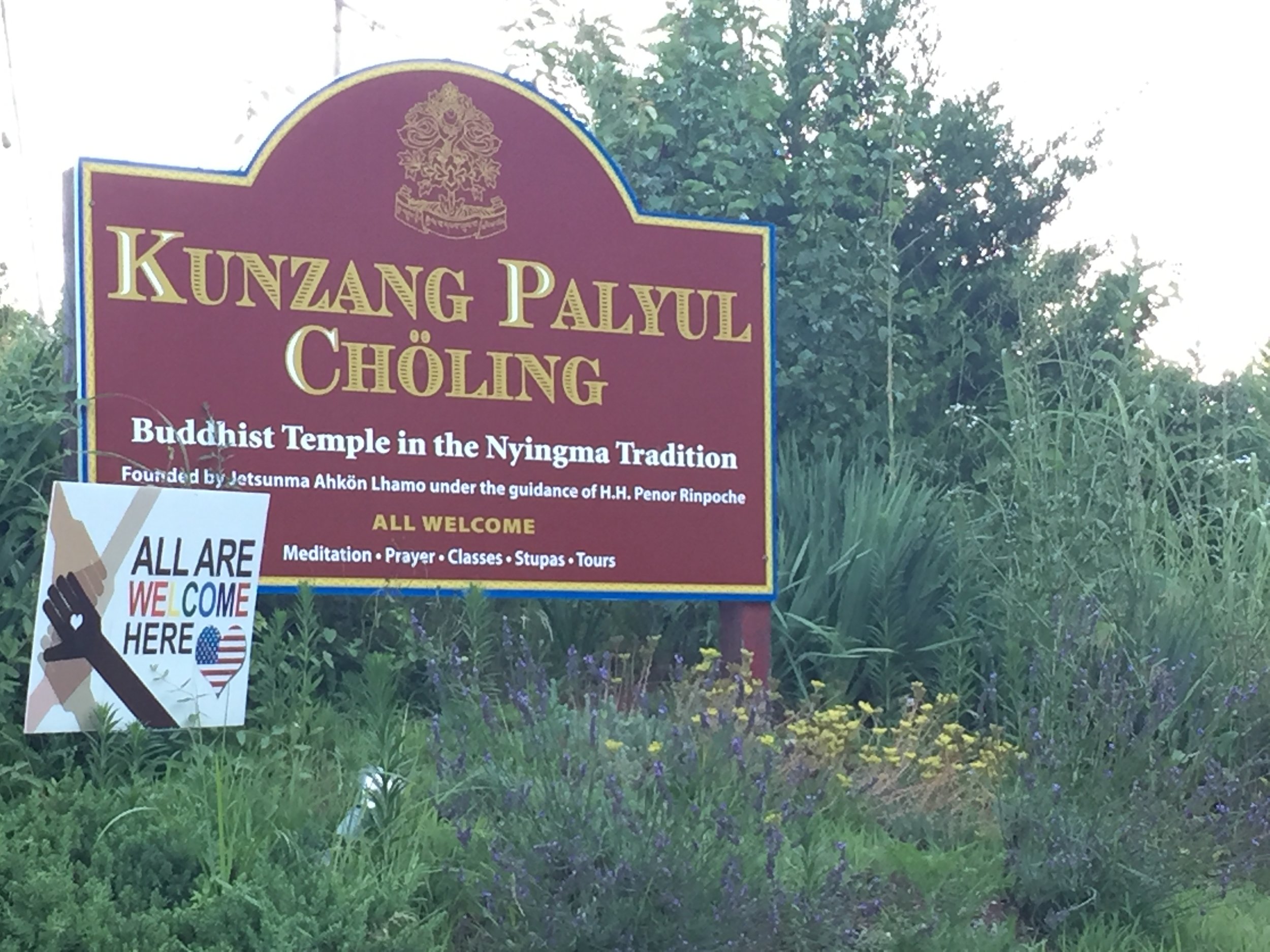
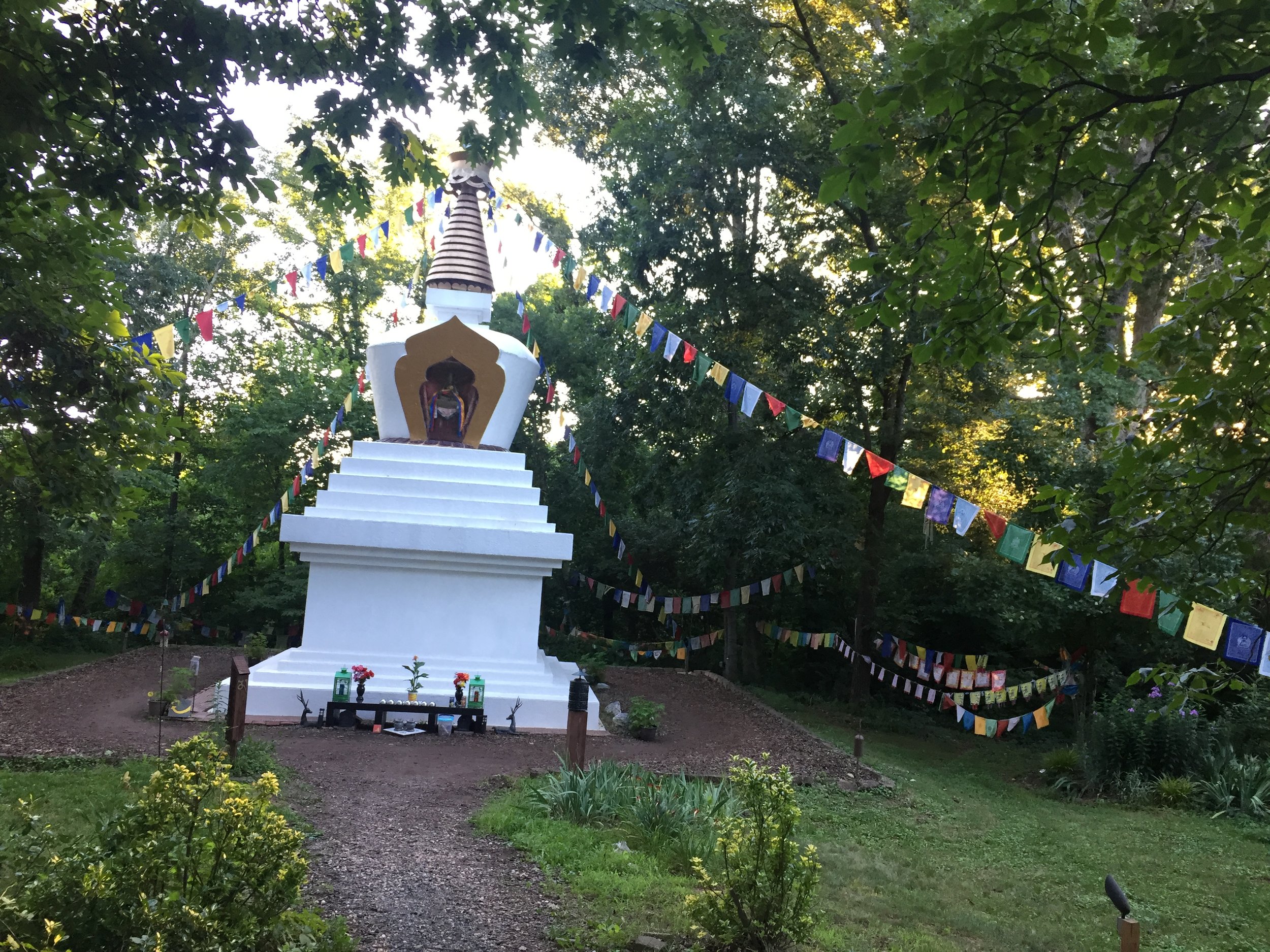
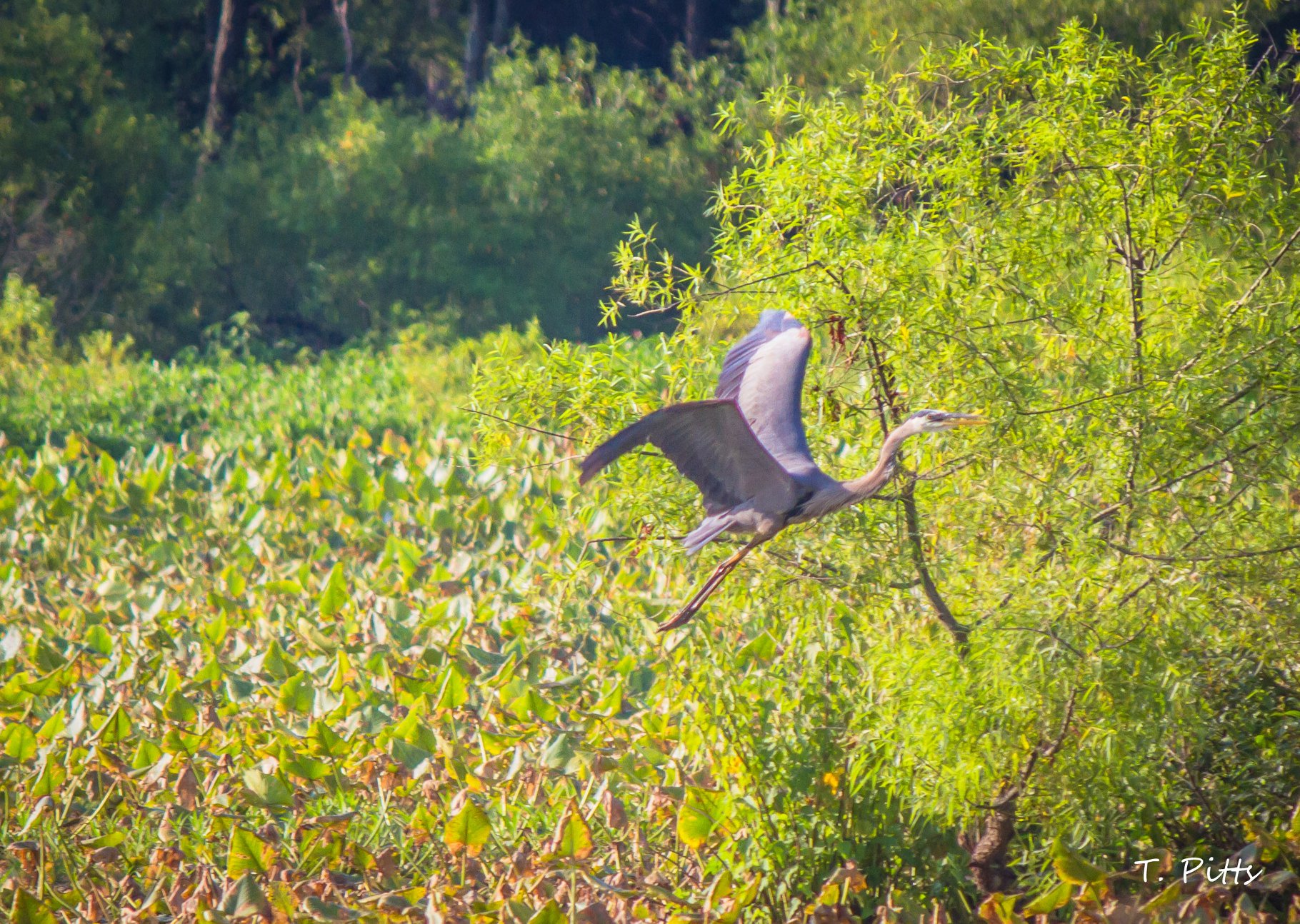
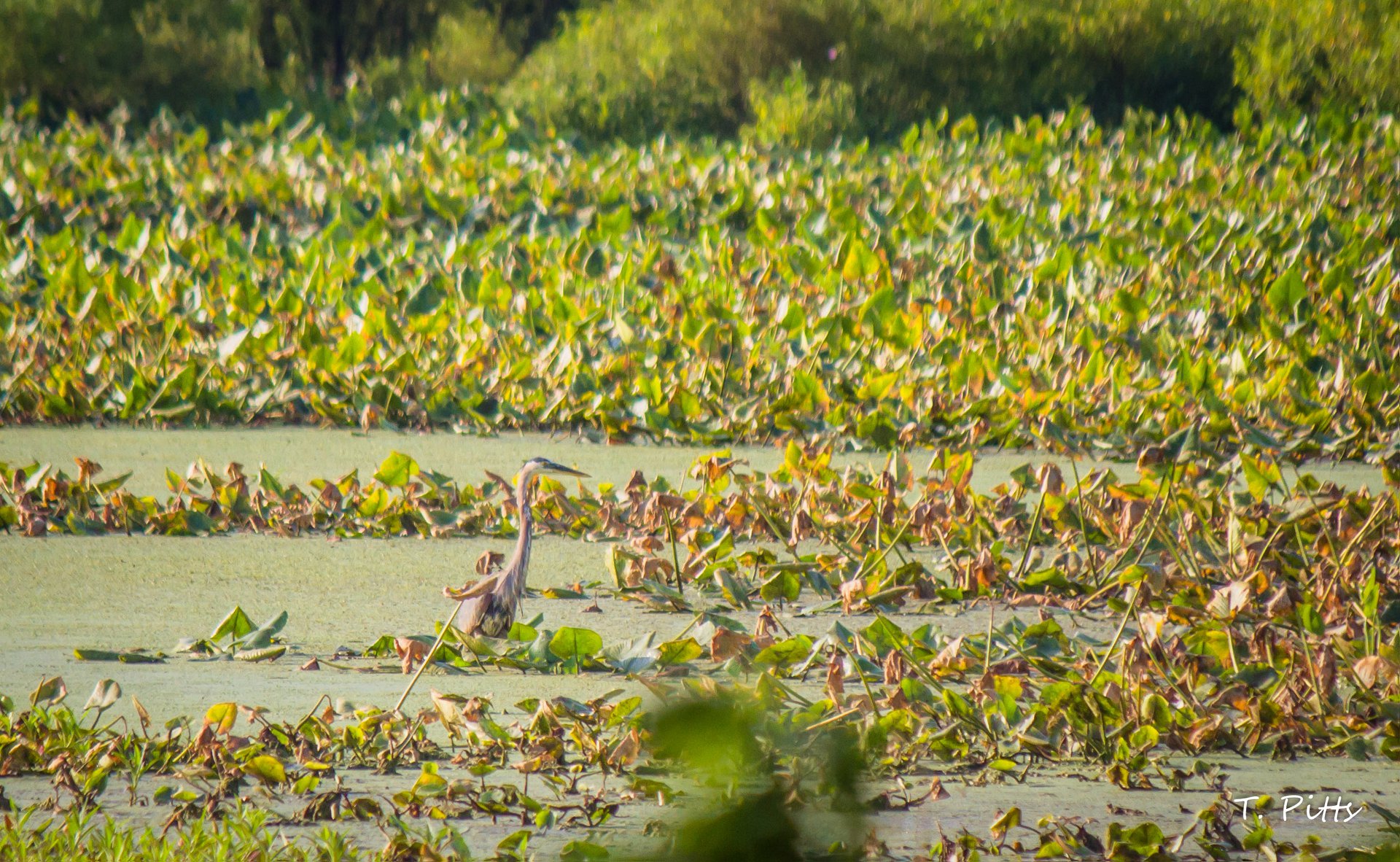
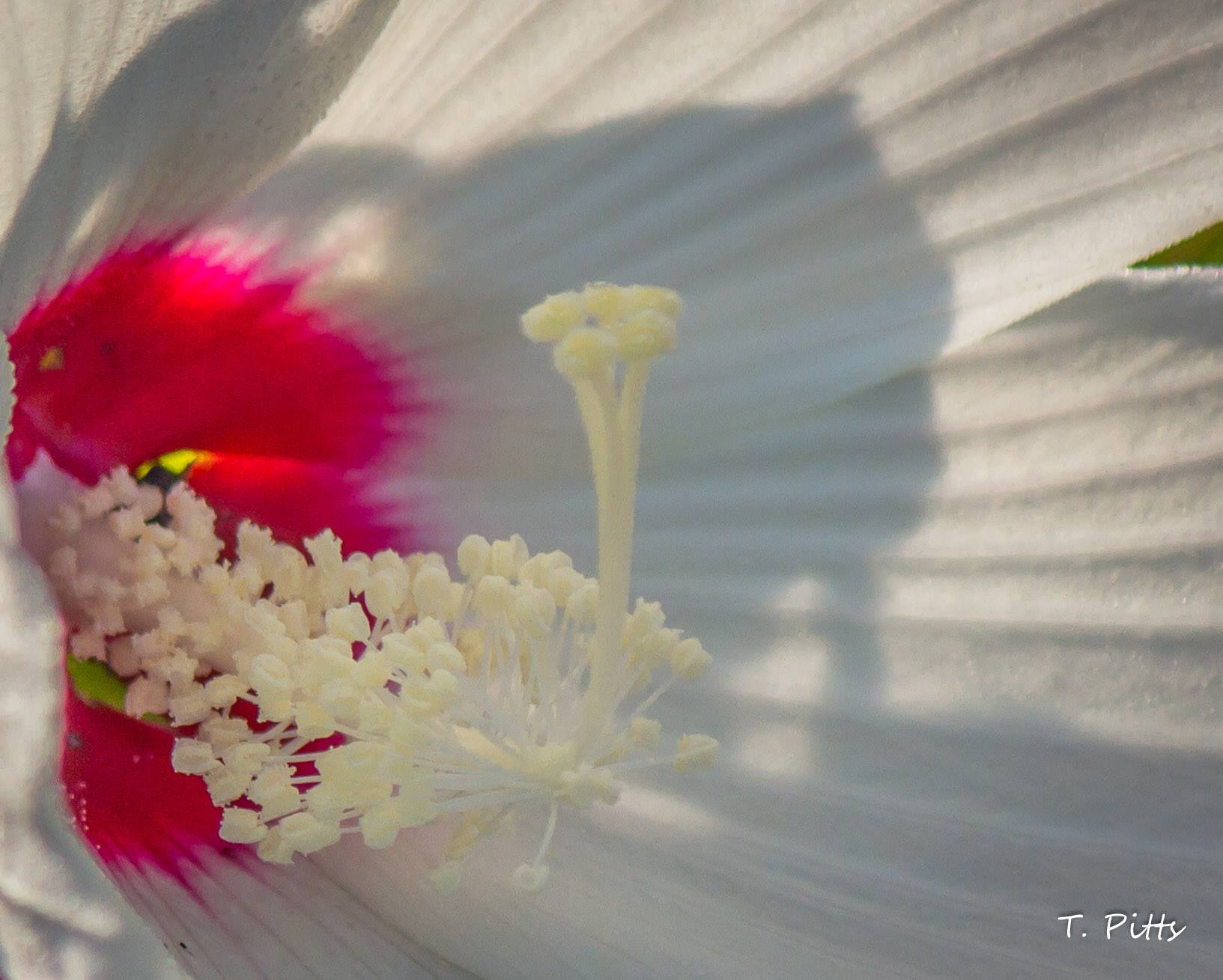
If you visit plant to take the side roads nearby (Hunting Quarter Road and Sycamore Landing) to explore the wetlands which provide great birding and a variety of native water plants including hardy hibiscus which are beginning to bloom.  There are miles of trails through forests, fields and wetlands as well as the C&O canal.  Nearby is an interesting Buddhist temple with two large stupas.  They welcome visitors and it's worth stopping by, about a mile north of the main parking area for McKee-Beshers. 

For lots of other great ideas of places to visit nearby, select "Our Nature" from the home page and you'll find posts on trails and other natural areas to visit.

Local photographer Terri Pitts shares her sunflower shots, including one with goldfinches and her photos from the nearby wetlands. Click below to see slideshow. 

"We've Come This Far By Faith"

Looking ahead at Pleasant View it's helpful to remember the song sung at the 150th celebration, "We've Come This Far By Faith."  Leaders at Pleasant View are working to renovate the historic church and school so they can teach local history and be a resource for the community.  Our group will continue to care for the native plant garden we have created as a place to educate others on sustainable habitat creation.  Our efforts are making a difference.  Many of our ~250 Pleasant View volunteers have also begun to increased their efforts to plant natives on their own properties. 

Merikay and Jeff continue to work in the garden as they can. If you have even just 30 minutes to share please pull weeds at the garden or around our trees. It makes a difference as small weeds pulled now don't mature to spread or drop seeds.  If you want company when you're there contact Merikay and she will join you.  merikays@verizon.net

We've added plant tags for many of the plants so visitors and volunteers can learn from our garden.  Volunteers who don't know anything about gardening are very welcome to help and ask questions.

Grateful to Dara who is arranging for another 100 donated native plants from Pope Farm.  Thanks also to the Chesapeake Bay Trust and the Montgomery County Watershed Protection Fund for the $25,000 grant which has provided for the plants and supplies to create our native plant garden.

Click on photo gallery to see more.

150th Celebration

Pleasant View, June 23, noon to 4 pm

Our native plant gardens are looking good and will be an added attraction during the festivities celebrating Pleasant View's 150th anniversary.  Hope to see you there.

To RSVP visit http://pleasantviewsite.org/junefest/

Photos are from last year's JuneFest at Pleasant View.

You Can Do It

Control flooding, replace lost habitat, remove pollution from our waterways, sequester carbon, moderate local weather:  You can do it!

Replacing lawn (or part of our lawns) with native trees, shrubs and other native plants helps hold water during rain events to control flooding and improve water quality.  Plants are great at holding and breaking down pollutants that would otherwise do harm if washed into streams.  Trees are powerful at capturing carbon and releasing oxygen -- they can also reduce nearby temperatures by 10 - 15 degrees.  Their roots and leaves hold water during rain greatly reducing flooding and during drought their roots can bring water up through their leaves into the atmosphere.  Millions of acres a year in the U.S. are developed -- going from natural habitat to impervious surfaces (roads, roofs, driveways) and lawn -- lots of lawn.  If each of us chooses to we can help moderate the loss of habitat by planting native plants.

Check out this diagram showing the difference between turf grass root depth and other plants.  Think about the difference this has for land use -- when much of our surface in developed areas is either impervious or lawn.  Recent storms and resultant flooding are reminders of the need for better stewardship.

You Can Do It!

roots_diagram.gif

Ninebark (that lovely shrub with very long roots) and black-eyed susans shown above are planted in our Pleasant View garden.  Come check out the various native plants we have there and get ideas for your own home garden.  Check our posts under "Pleasant View" for volunteer dates.

James Baird Tree Planting

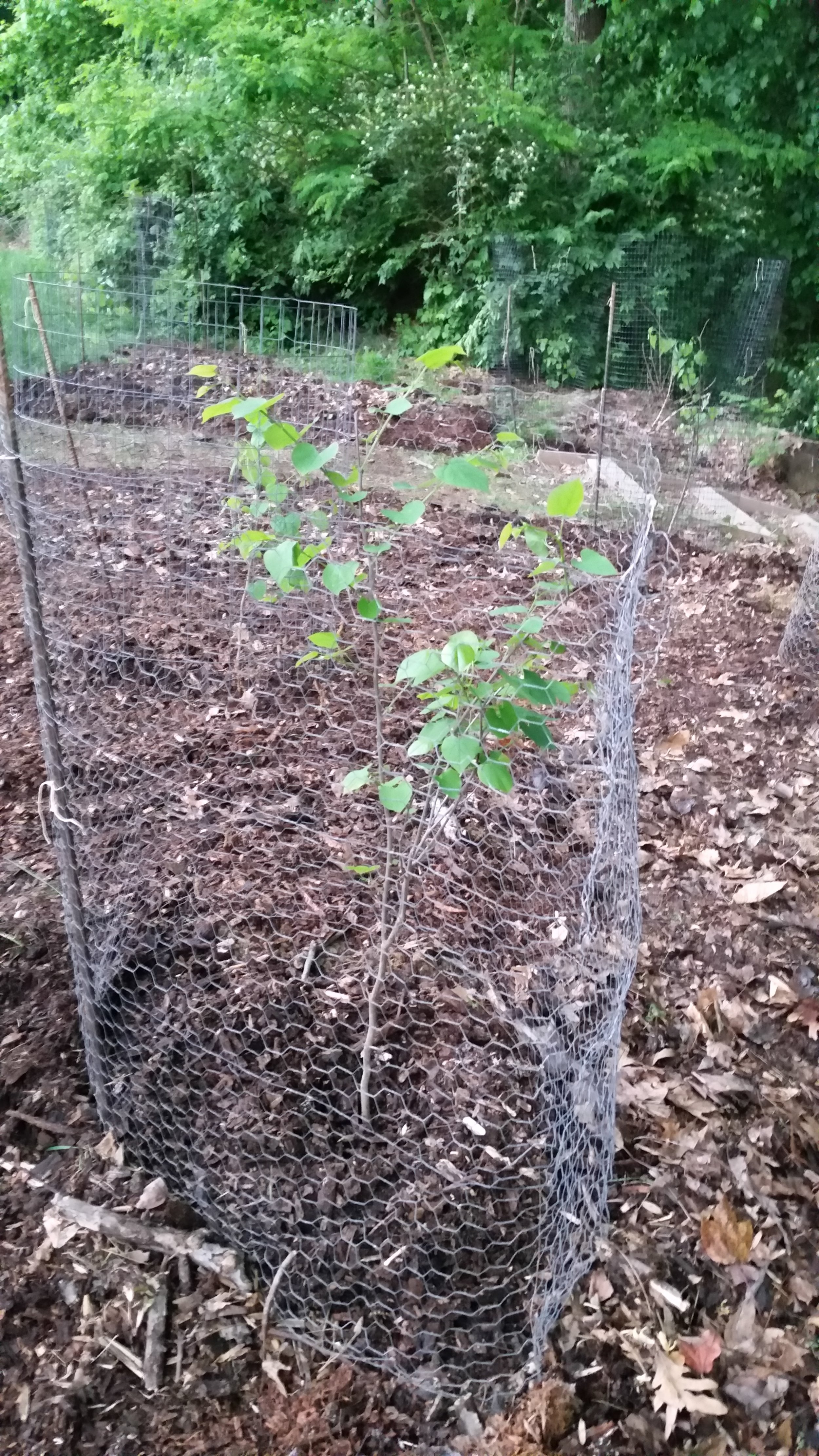
James Baird passed away this past February unexpectedly after serving only a relatively short time as President of the Washington DC Stake.  He was much loved, not just by family and friends but throughout our Stake and in the community beyond our faith.  Below is part of a talk given by James Baird to his congregation when he was their bishop.  As I prepared for the native tree planting to honor James, I had the text of this talk in mind.

"One of my weaknesses that I’m aware of, is the fact that I am basically a telestial man. I love this earth. I like to work in the dirt. I love to watch the sunset on warm beaches. I love the taste of a fresh toasted tomato sandwich with mayo, sea salt, and fresh-ground pepper. I love to stand in cold streams and try to outsmart the fish who have a brain the size of a pea. I love all of the physical sensations that my physical body experiences, like the way my stomach feels when you go over a rise too fast in a car. I love so much of what comes into my ears, my mouth, my nose, on my skin. I have spent much of my life pursuing these pleasures, and trying to provide them for others. I justify all this by reading in Genesis that God created all this for the use and benefit of man, to gladden his eye and lighten his heart. Certainly He wants us to appreciate His beautiful creations. While not a complete epicurean, I am well aware of how much I love all that God has placed for me on this earth, and have trouble imagining that it is any better up there.
Maybe there are a few of you who feel this way too. Then why should we work to get off this planet that God placed us on and created for our use and happiness? How can we enjoy all this beauty and still... try to rise above it all?"

James is no longer a telestial man. Knowing how marvelous our natural world is, we can have confidence and complete faith that our loving Heavenly Father has prepared for James joys and experiences beyond our ability to imagine. I feel much as James, that God wants us to appreciate His beautiful creations. To do that we need to spend time in nature, learn more about and show greater care for Creation. We can enjoy all this beauty and in the process, we are often inspired "to rise above it all".

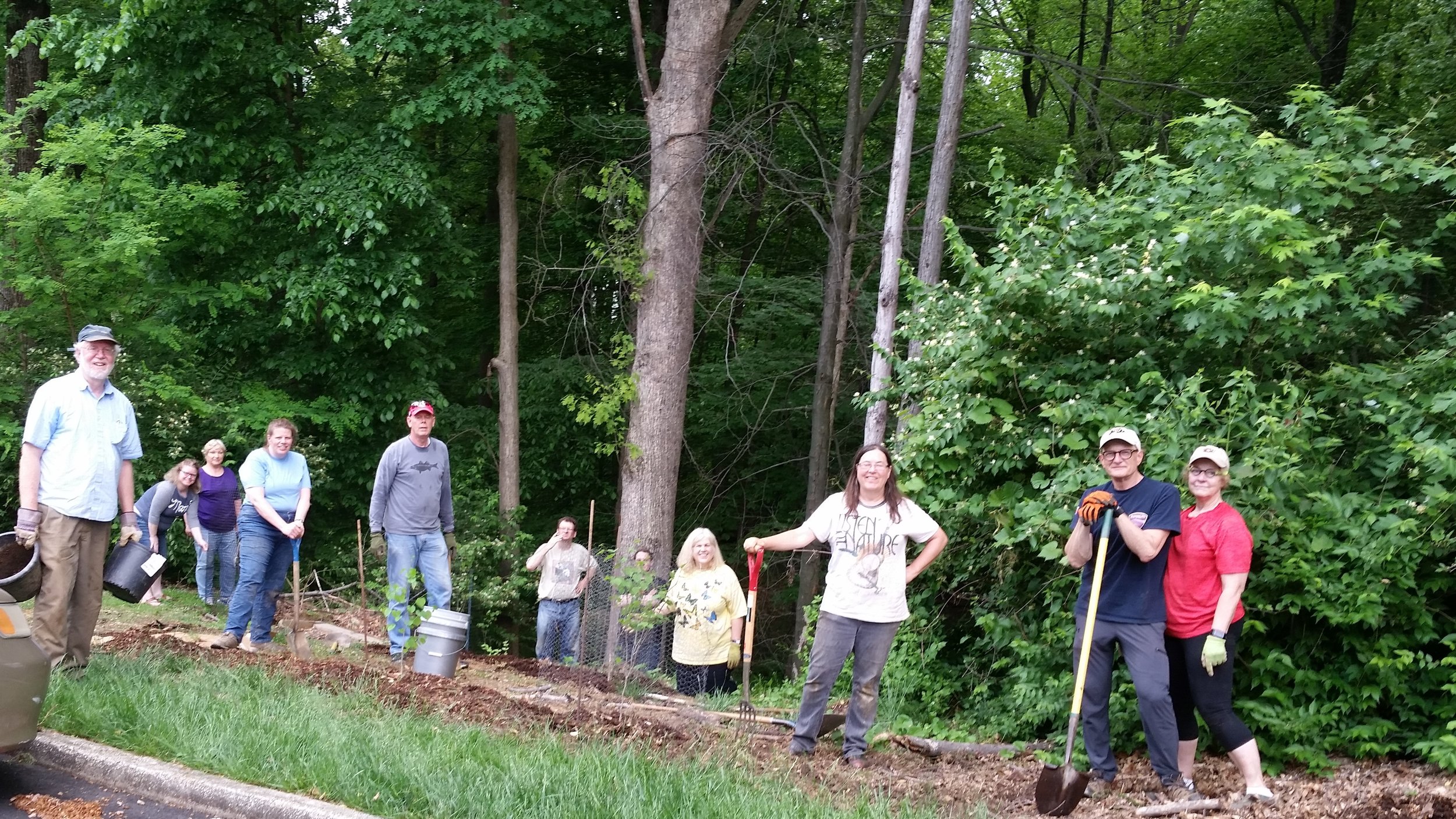
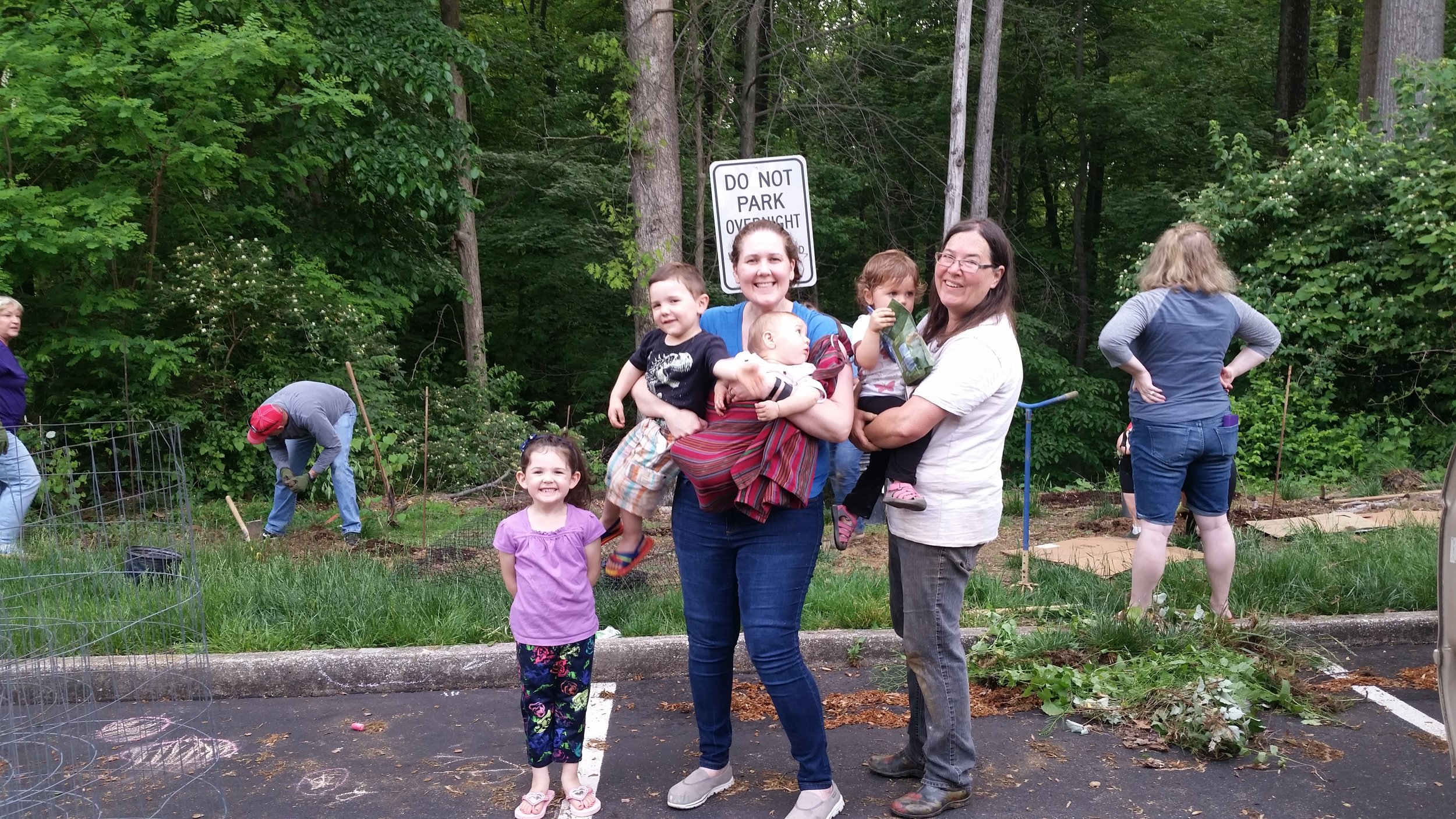
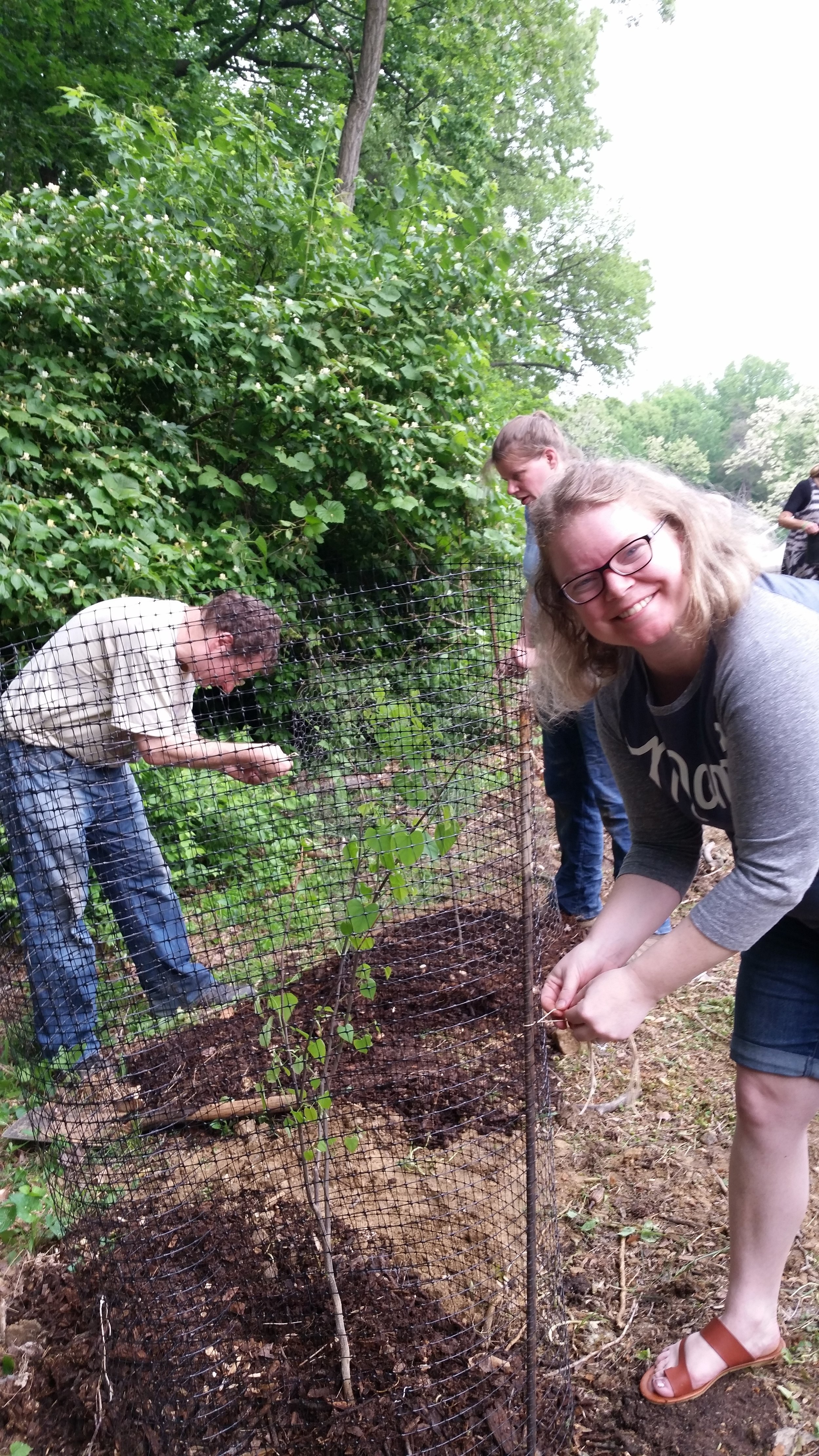
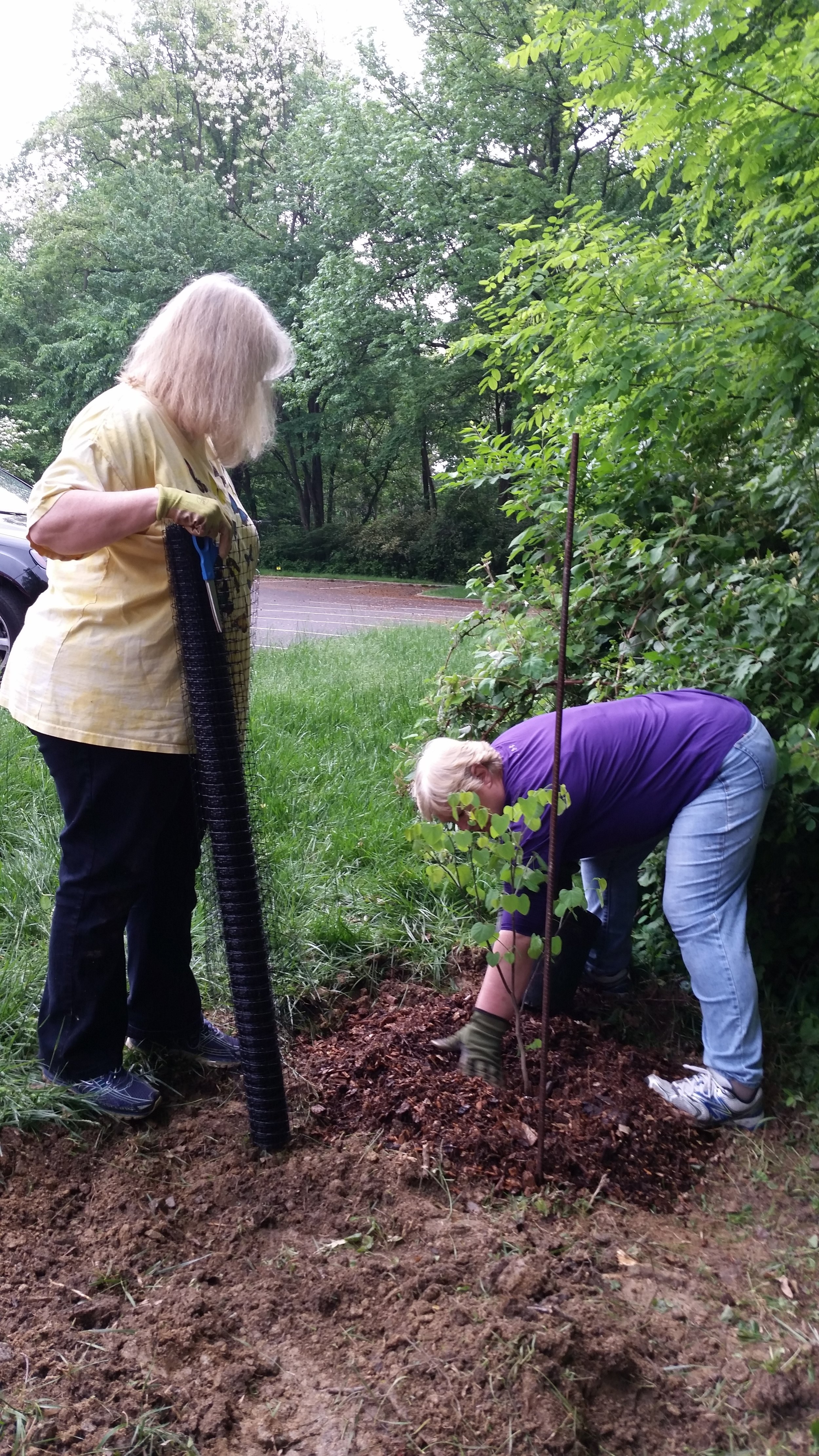
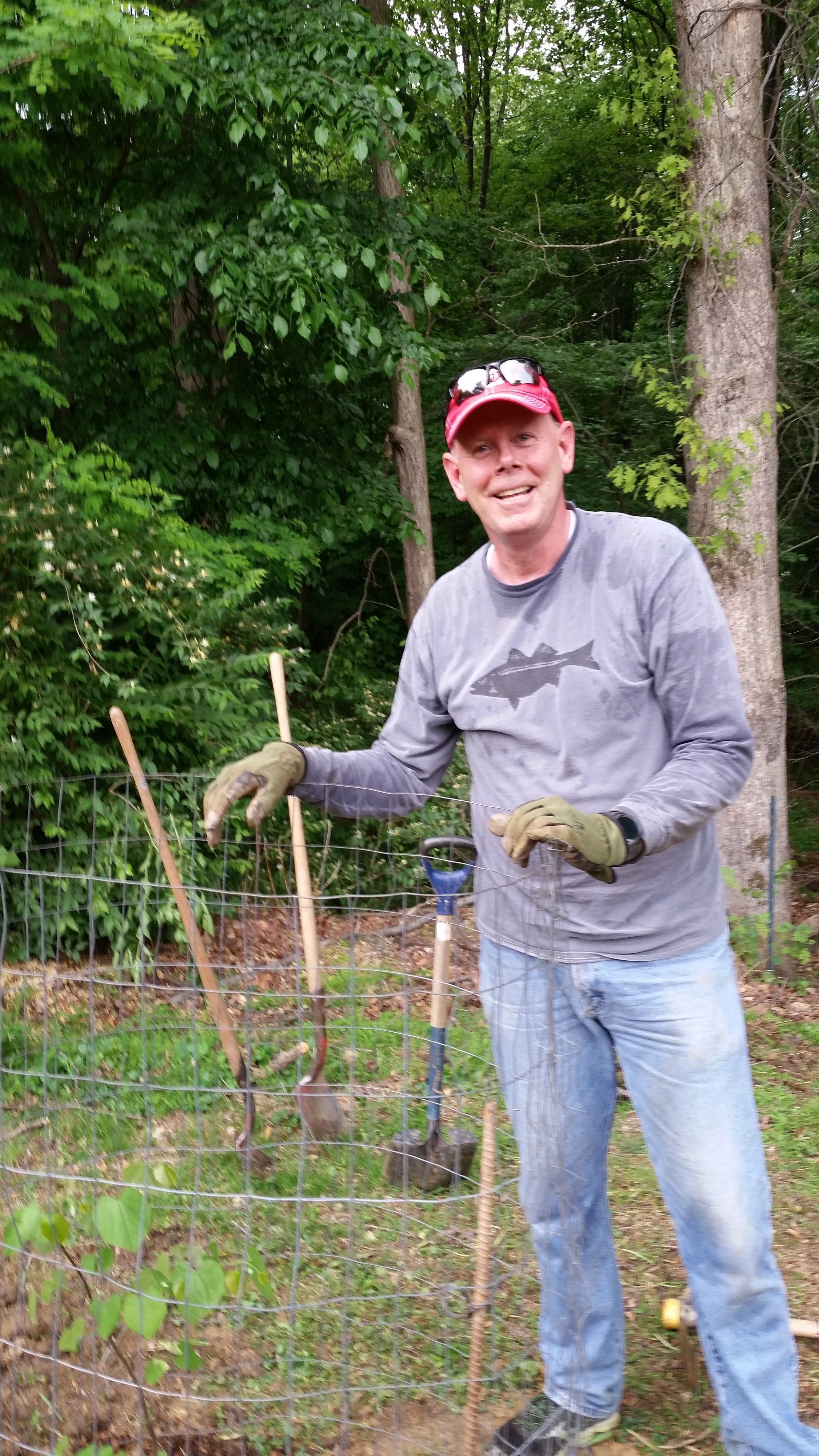
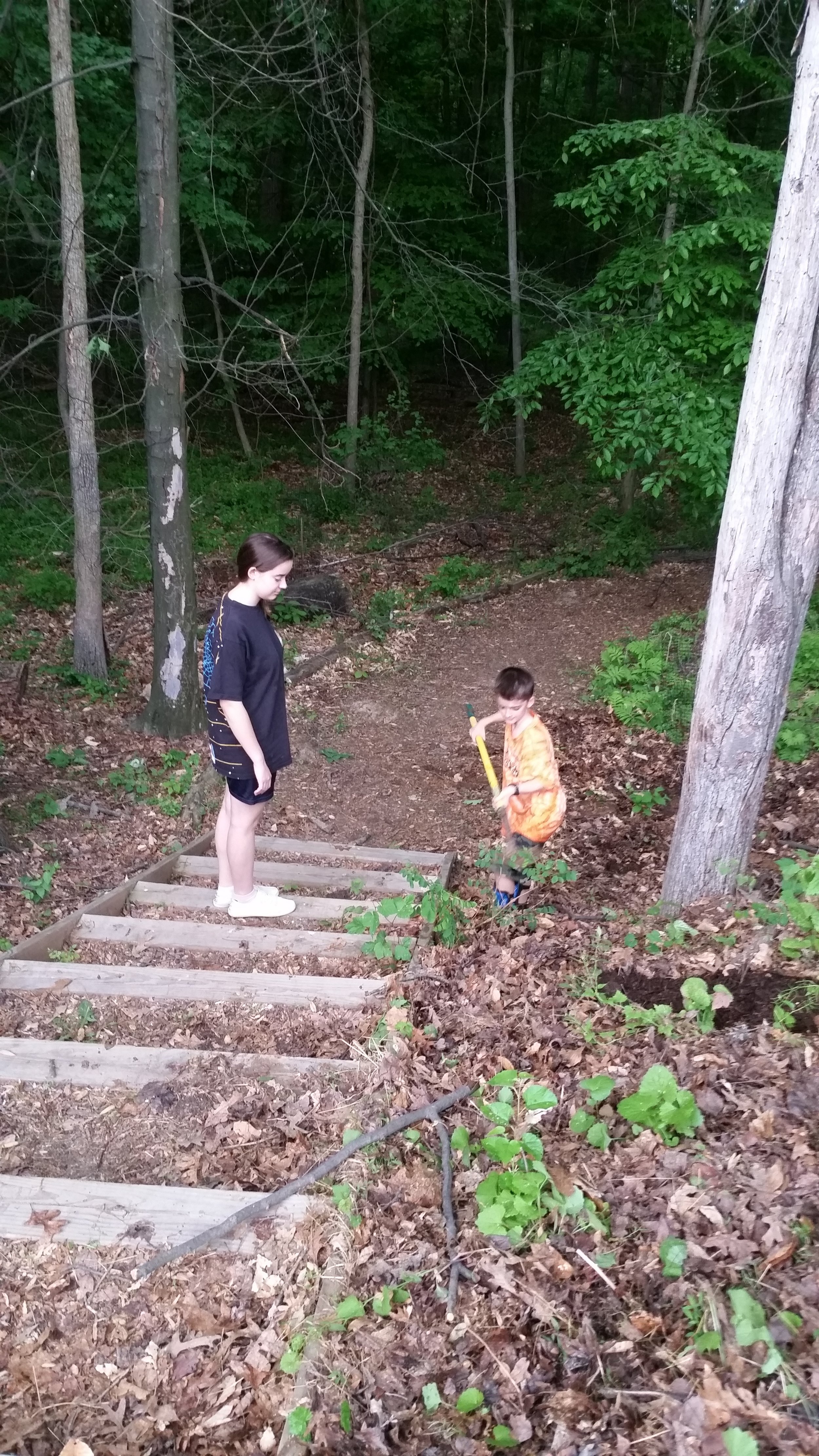
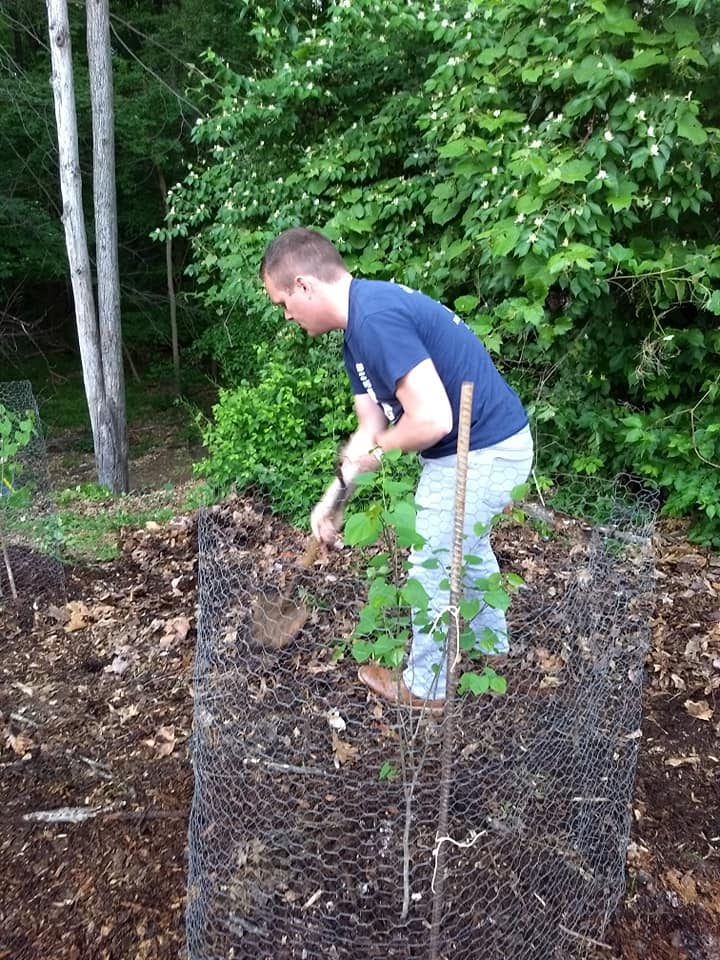
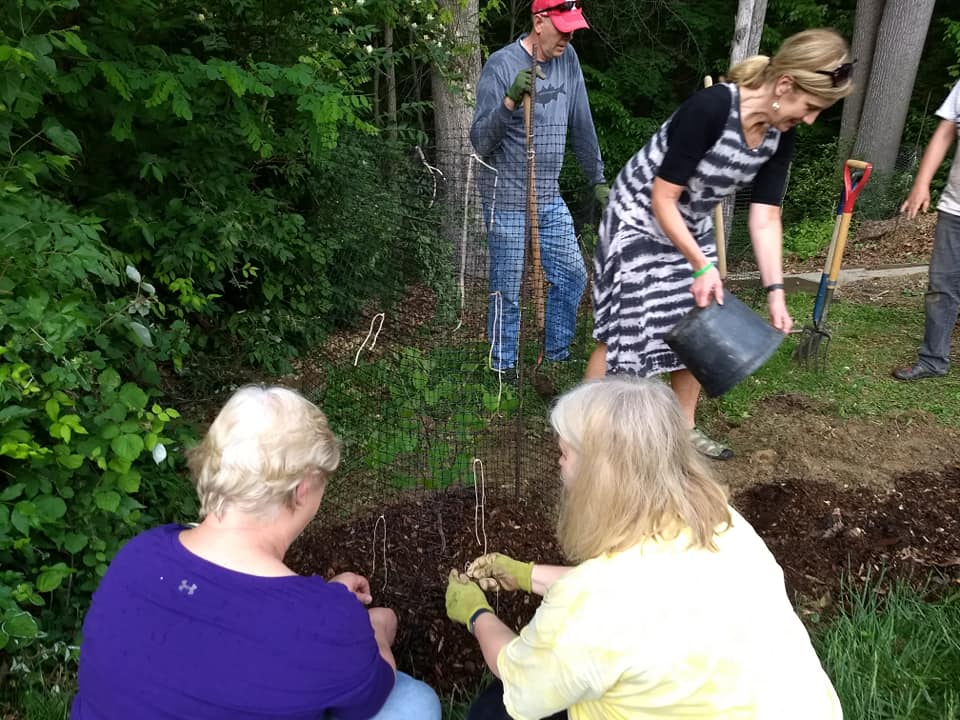
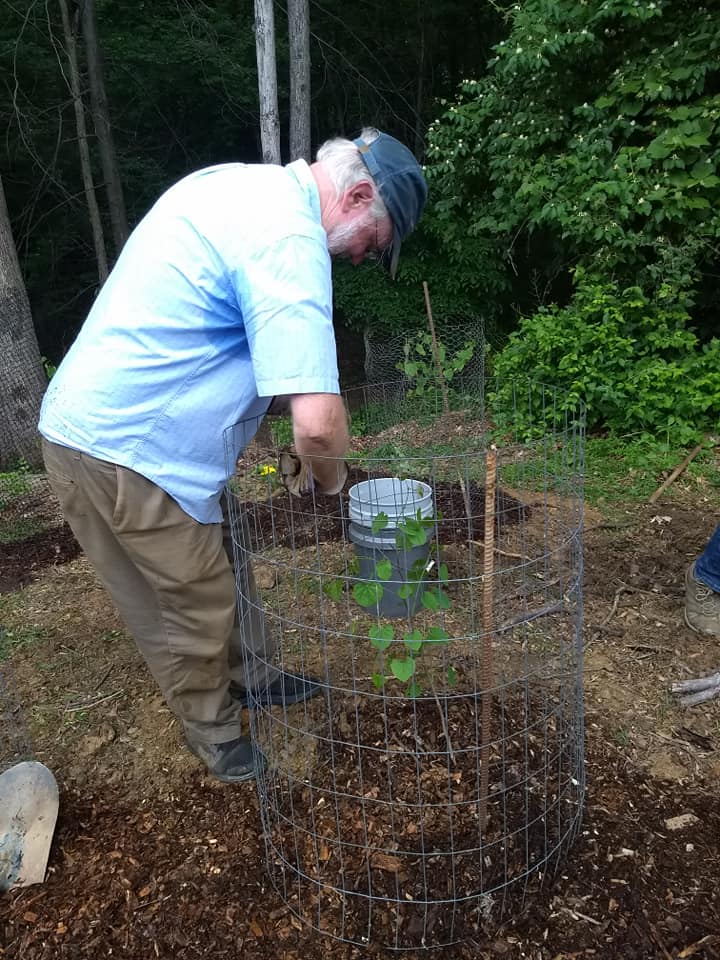
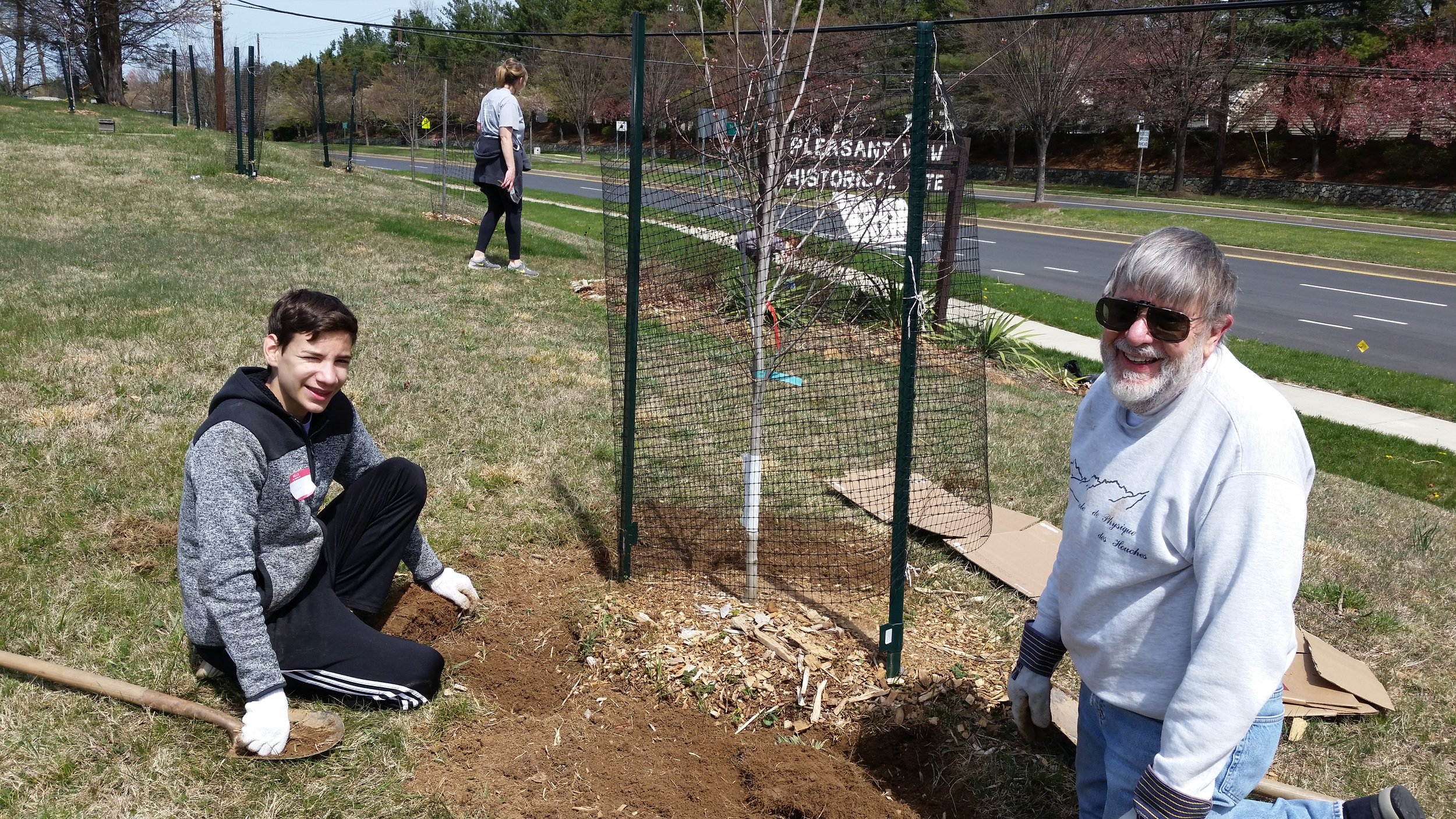
Some of the stalwart volunteers who arrived two hours early to get our trees planted before a major storm hit.  We were joined by about 30 volunteers with others who certainly would have been there except for the storm and change in schedule.

Photos from Merikay Smith and Chalice Leaman.  Thanks to everyone who came to help honor James Baird by planting an area of native redbud trees.  If you missed this activity, join us in the fall as we add native ground cover plants, remove more invasive plants, and continue to make this an area of the DC Stake Center where people will remember James Baird.

Earth Day 2018

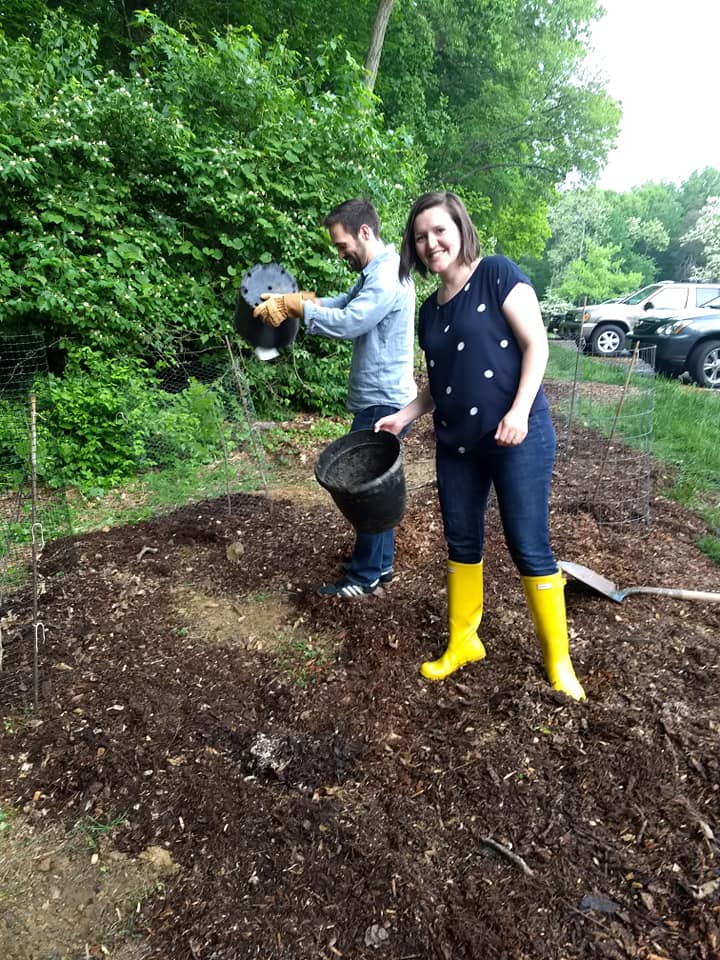
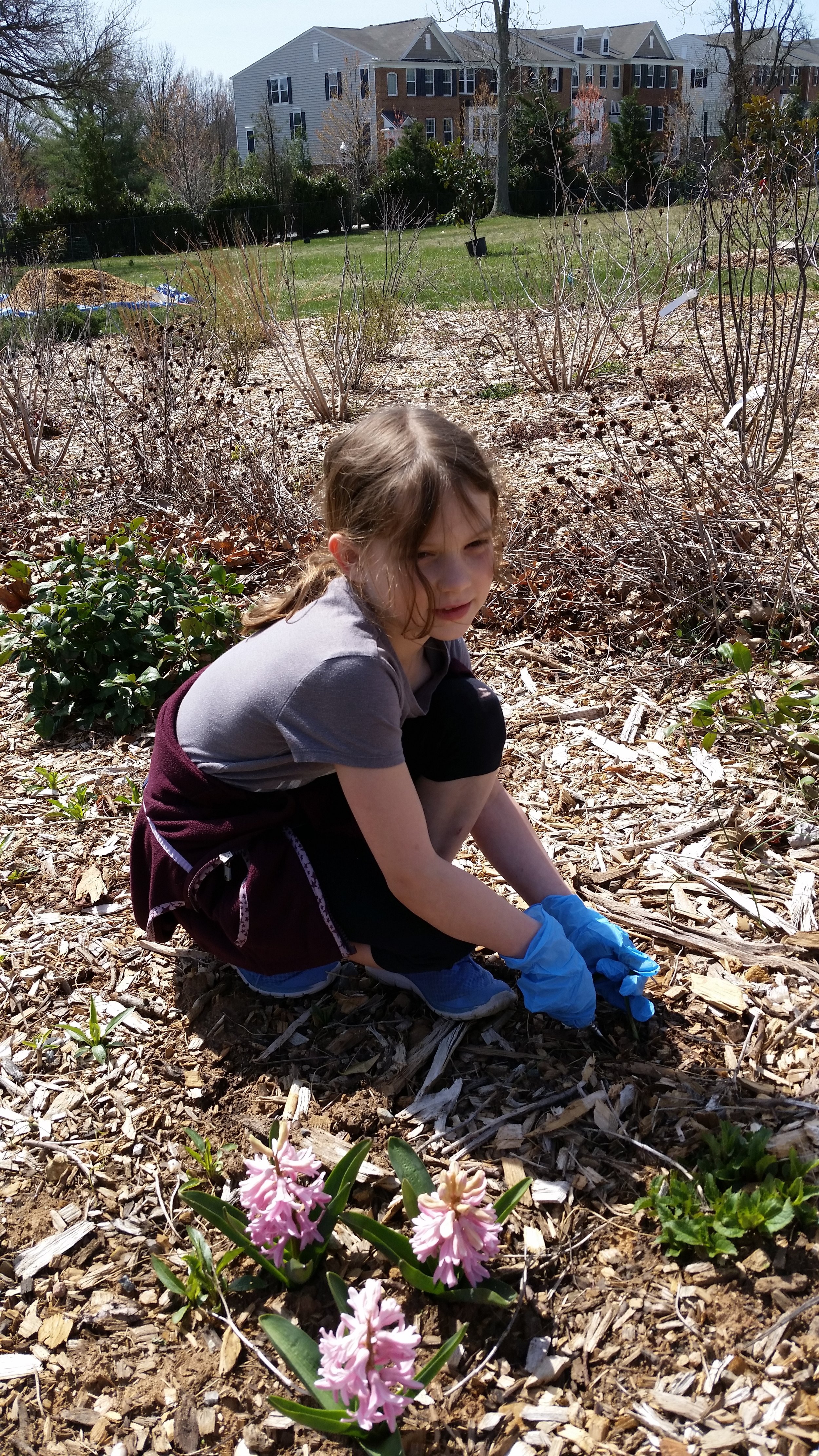
We had ten young people join us for our Earth Day project on April 21 at Pleasant View (and 19 adults).  They were all helpful and seemed to enjoy the day.  What an opportunity for the SSL student who got to work side by side with Bill Phillips (Nobel Prize in physics, 1997).  Turns out we're all about equal when it comes to working at Pleasant View.  Even young weeders can recognize and dig out wild onion and teens are great at moving mulch by wheelbarrow.  More details and photos under "Pleasant View".

Click on photo to see more.

James Baird

Baird fishing.jpg

Many of us in the DC area are mourning the sudden loss of James Baird, President of the Washington DC Stake.

Please continue to pray for his family and friends for comfort in the days and months ahead. 

I would like to suggest that our Earth Stewardship East group plant a grove of native trees in honor of James Baird. Later this spring I will contact Lindy Baird to see if this would please her.

I remember in several conversations President Baird telling me how much he loved nature and felt close to God when he could spend time in the woods or looked up at the stars. He loved fishing and spending time camping, hiking or boating. He didn't have time to join our ESE activities but he was aware of us. I treasure the book he gave me as a peace offering. After a difficult interview with him, he surprised me with a gift, the book "Evolving Faith" by BYU evolutionary biologist Steven Peck. From that time on I felt I had a friend in James Baird.

A quote from a talk by James shared by Rachel Klein: “Many people have said they would die for the Lord or for his Gospel. I say, let us live for it. We will all die and that soon enough, until then let's live for our beliefs. Do you love Jesus? Then act like it by following his teachings.” — James Baird, November 2017

President Baird inspires me to be more kind, Spirit-guided and spontaneous, generous, faithful.

Merry Mistletoe

Mistletoe-1.png

Did you know there are mistletoes native to the Chesapeake area? 

Mistletoes are flowering plants in the Santalaceae family. Yes, Santalaceae. It seems unlikely, but the family’s name has nothing to do with Kris Kringle. It is derived from the sandalwood genus, Santalum, which is also a member. There are around 1,300 mistletoe species worldwide, and 2 rough groups in North America: American mistletoe and dwarf mistletoe. 

All mistletoes are hemi-parasitic, meaning they parasitize trees but are not fully dependent on them for all functions. Mistletoes attach to stems of live trees and send root-like structures under the bark to tap the tissues for nutrients and water. Mistletoe leaves are green in color and can complete photosynthesis for energy, but would be unable to survive without the tree. 

The berries either fall off and colonize stems below or are dispersed by birds. The sticky seeds can adhere to the plumage, feet, or beaks of birds to be scraped off onto new stems while preening, or get eaten to and later deposited on branches in droppings. Bird droppings are the primary way the plants spread; indeed, the word “mistletoe” means “dung on a twig” in Anglo-Saxon.

Dwarf mistletoe berries are not spread by birds. Instead, water pressure builds up in the berry cells. Eventually, the pressure builds to a point where the berry explodes, expelling the seed at up to 50 miles per hour, with a range of up to 60 feet! 

A dwarf mistletoe seed being shot out by built-up water pressure. Photo credit: U.S. Forest Service

A dwarf mistletoe seed being shot out by built-up water pressure. Photo credit: U.S. Forest Service

Though we often only think of mistletoe at holiday parties, it plays a significant ecological role in our forests. American mistletoes, while toxic to humans, are important food sources for many forest wildlife species. They bear fruit from late fall through early winter, a time when there isn’t much else for resident wildlife to eat. The berries are an important food for birds and small mammals, and the foliage is eaten by porcupines and larger mammals like deer and elk if they can reach it. Dwarf mistletoes are less important for food but the thick, scruffy, “witches’ brooms” that they create are excellent nesting sites for songbirds, red squirrels, flying squirrels, hawks, and owls. Studies in the western US have shown that a whopping 43% of spotted owls and 64% of Cooper’s hawks build their nests in “witches’ broom” tangles resulting from dwarf mistletoe infections.

Oak mistletoe (Phoradendron leucarpum) berries are very important for wintering wildlife. Photo by Mary Keim.

Oak mistletoe (Phoradendron leucarpum) berries are very important for wintering wildlife. Photo by Mary Keim.

Mistletoe is important for many insects too. Their early-blooming flowers are important nectar sources for bees and other pollinators when not much else is available, and many insects only live on mistletoe foliage. Three butterfly species in the US are mistletoe obligates (meaning their caterpillars can only feed on mistletoes), but only one, the great purple hairstreak (Atlides halesus) is found in the Chesapeake Bay Watershed.

American mistletoes rarely kill their host tree; their life history strategy is to remain with the host and produce berries as long as possible, so they need their host to survive. 

Like many of our traditions, appreciation for (and yes, kissing under) mistletoe developed and evolved as societies rose and fell. European mistletoe (of the genus Viscum) closely resembles leafy American mistletoe, so European colonists and subsequent immigrants easily transferred their customs over to North America.  

As Christianity swept through Europe the old traditions became muddled, but mistletoe remained an important winter symbol. It was often hung in doorways to deter demons and witches, and was widely thought of as a universal healer. The custom of kissing beneath it may have come from the belief that it stimulated fertility, or perhaps from an ancient Norse myth that resonated through the centuries. In the story, the beloved son of Frigg, the goddess of love and beauty, was killed by an arrow made from mistletoe. The gods all agreed that the plant should never hurt anyone again, but rather be dedicated to happiness and usefulness. Frigg’s tears became the white berries of mistletoe, and the goddess swore that she would kiss anyone who walked beneath it.  

No matter what the origin of the kissing custom is, American mistletoe makes a lovely winter decoration. Rather than an excuse to smooch, it’s a great opportunity to talk to guests about forest ecology and the fascinating biology and cultural history of this strange little parasite. Look up into the empty branches of oaks and sweetgums for a cheery clump of mistletoe this winter. It will likely be too high up to reach, but that’s a good thing; mistletoe is a valuable member of our forests and will do a lot of good up there in the treetops.

Above information is excerpted from:

https://www.allianceforthebay.org/2017/12/mistletoe-a-merry-parasite/

Winter's Beauty

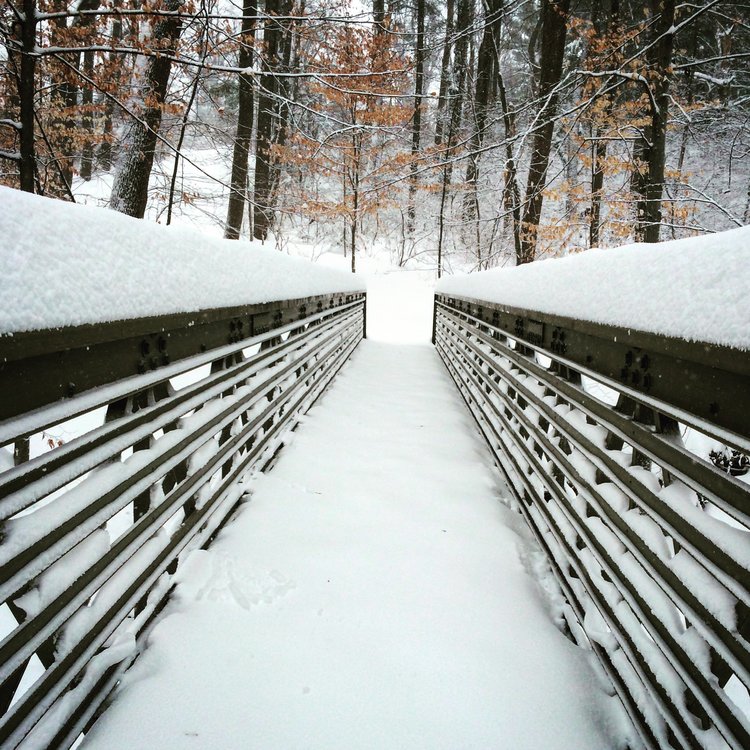
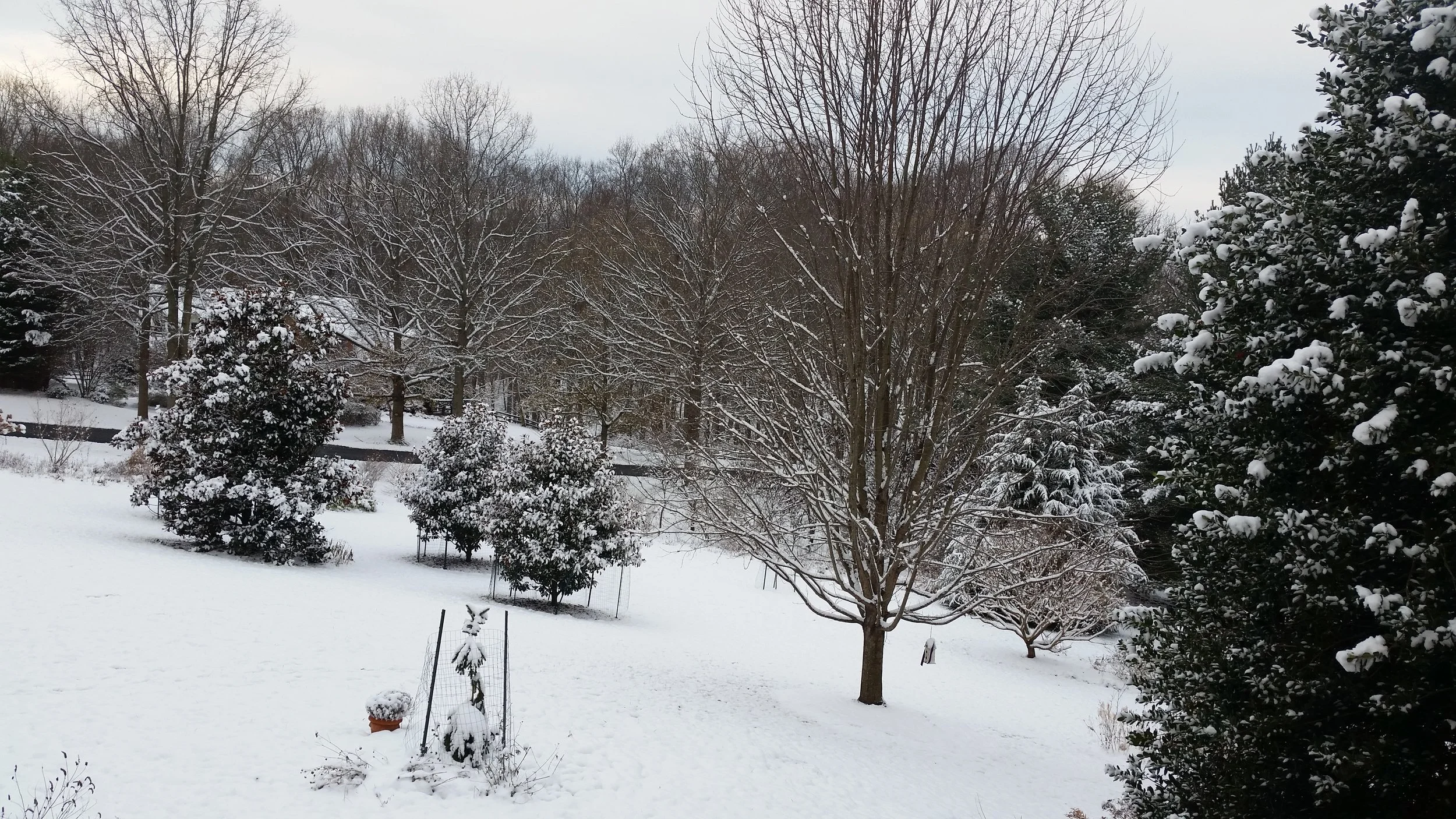
Hope you're enjoying today's snow.  I wanted to share a few photos taken this week by others as a reminder to get outside and enjoy the transition to winter.

blackwater fall SP, WV, Vernon Patterson, at Canaan Valley Resort.jpg

Blackwater Falls State Park, West Virginia.  This photo was taken by Vernon Patterson on December 5.  Thanks to the elliptical orbit o the moon we've had an unusually large and bright moon in this past cycle.  Did you get out to see it?  I would have missed it but Jeff sent me outside.

Deer on Muddy Branch Trail.  Photo taken this week by Pete Darmody.  We just planted native trees along this trail -- hoping they survive the winter.

Deer on Muddy Branch Trail.  Photo taken this week by Pete Darmody.  We just planted native trees along this trail -- hoping they survive the winter.

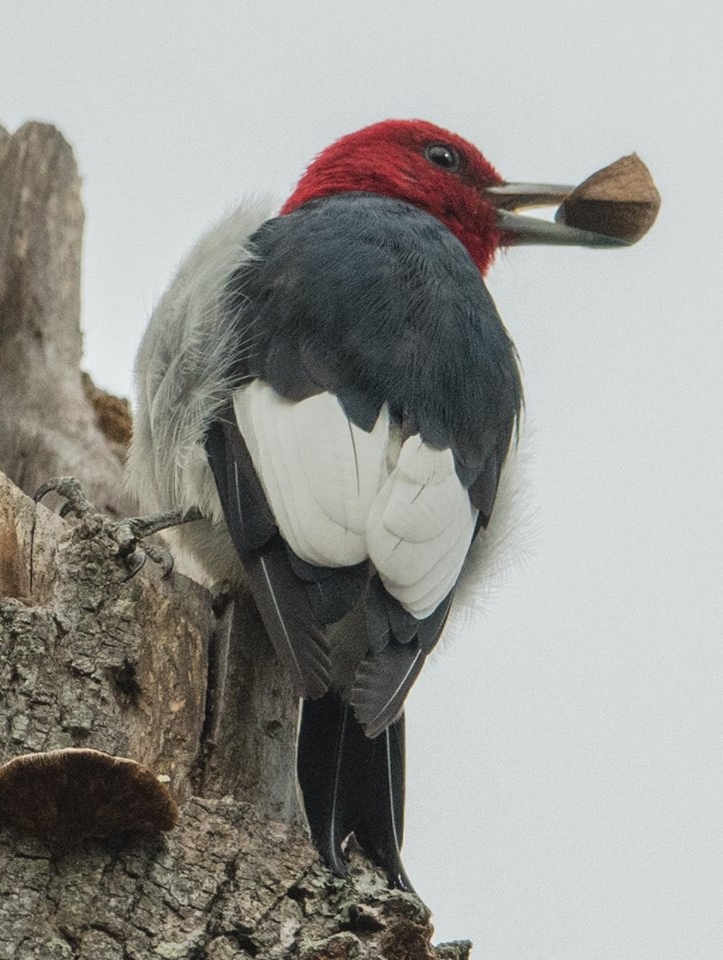
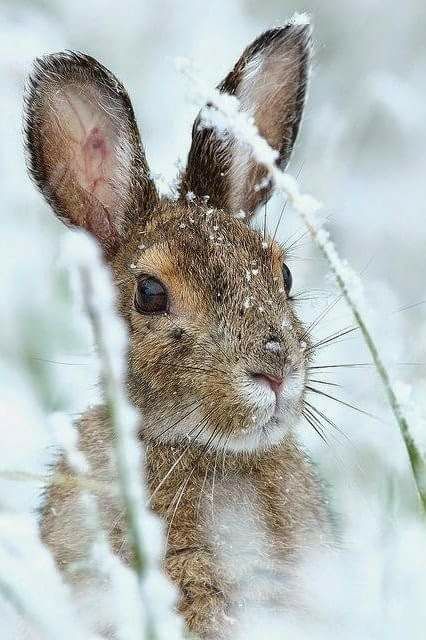
Woodpecker, storing food for the winter or is it an afternoon snack?  Photo by Ralph Johnson. Rabbit posted by Teresa Correia.  Another type of snow bunny, Kate Wahlquist photo.

snow.jpg

The trail is begging you to get out your boots and enjoy a walk.  (Photo is from Kate Cummings,)

20171210_083745.jpg

Photo taken today -- trees are growing bigger and provide food and protection. Formerly this area was all lawn.

Leap Ahead

frogwatch-banner (1).jpg

Who's croaking in your neighborhood?  Plan now to be a FrogWatch participant and find out.  Registration for training is now open for Montgomery County (similar programs exist in other areas too).  https://mygreenmontgomery.org/frogwatch/

Wednesday, February 7, 2018 from 6:30pm to 8pm

255 Rockville Pike, suite 120, Rockville, MD 20850

Email or call Ana Arriaza to register:  Ana.arriaza@montgomerycountymd.gov or 240-777-7778.

This can be a great family activity, especially for older children.  For an adult it's great to have a weekly scheduled nature fix.  You select a nearby area likely to provide habitat for frogs then listen once a week at a set time (just after sunset) and record the number and types of frogs heard.  In our area the first frogs can be heard as early as February.

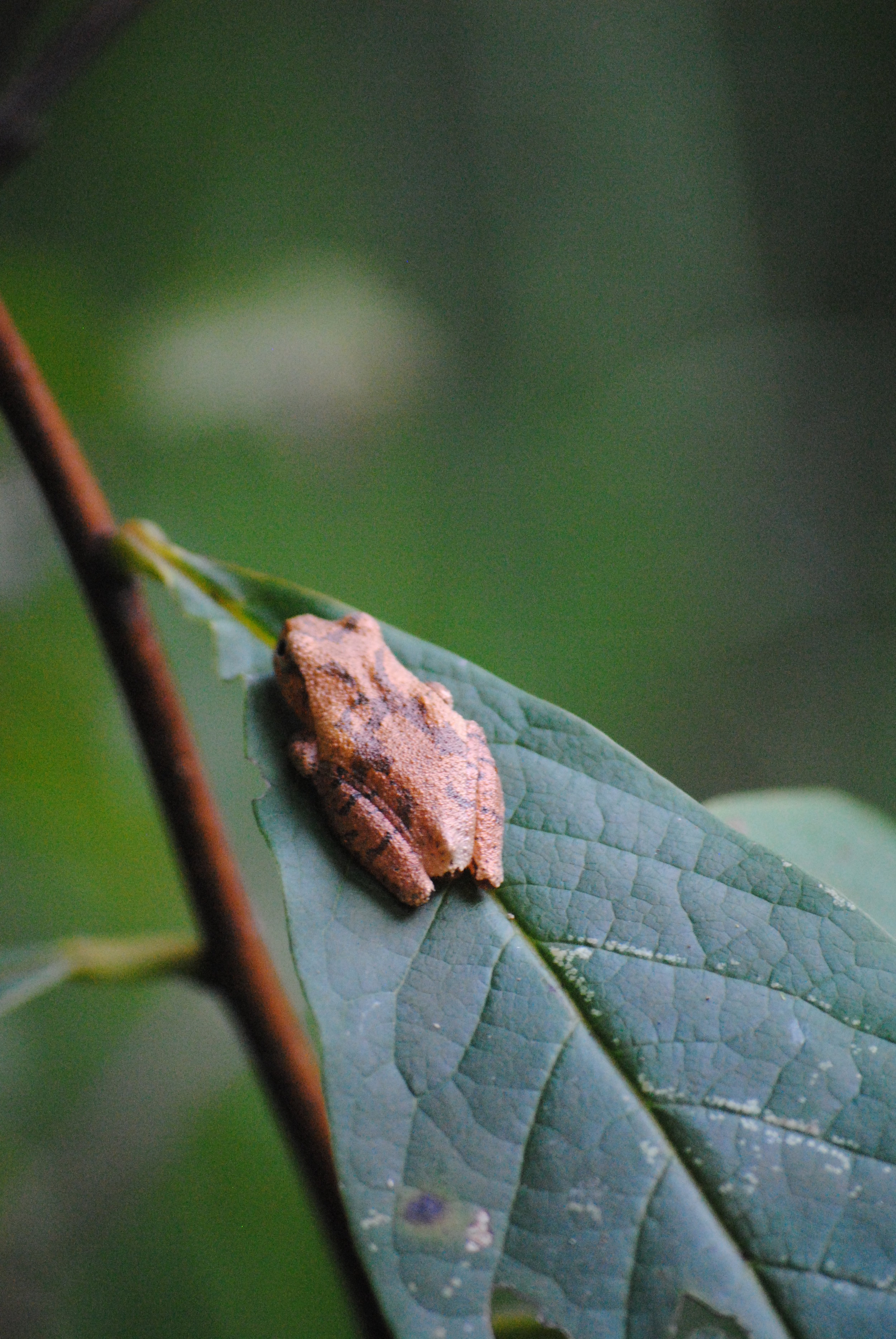
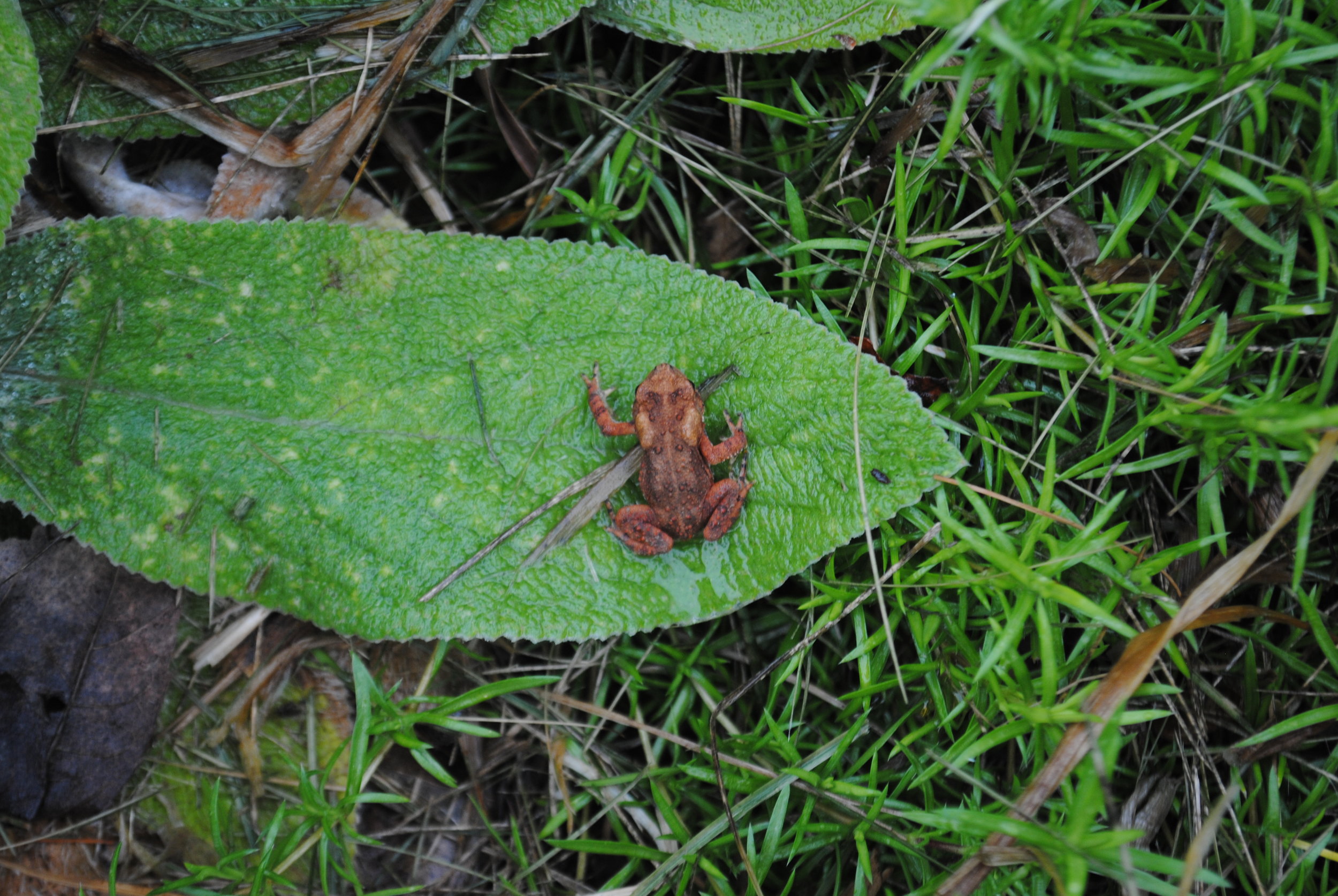
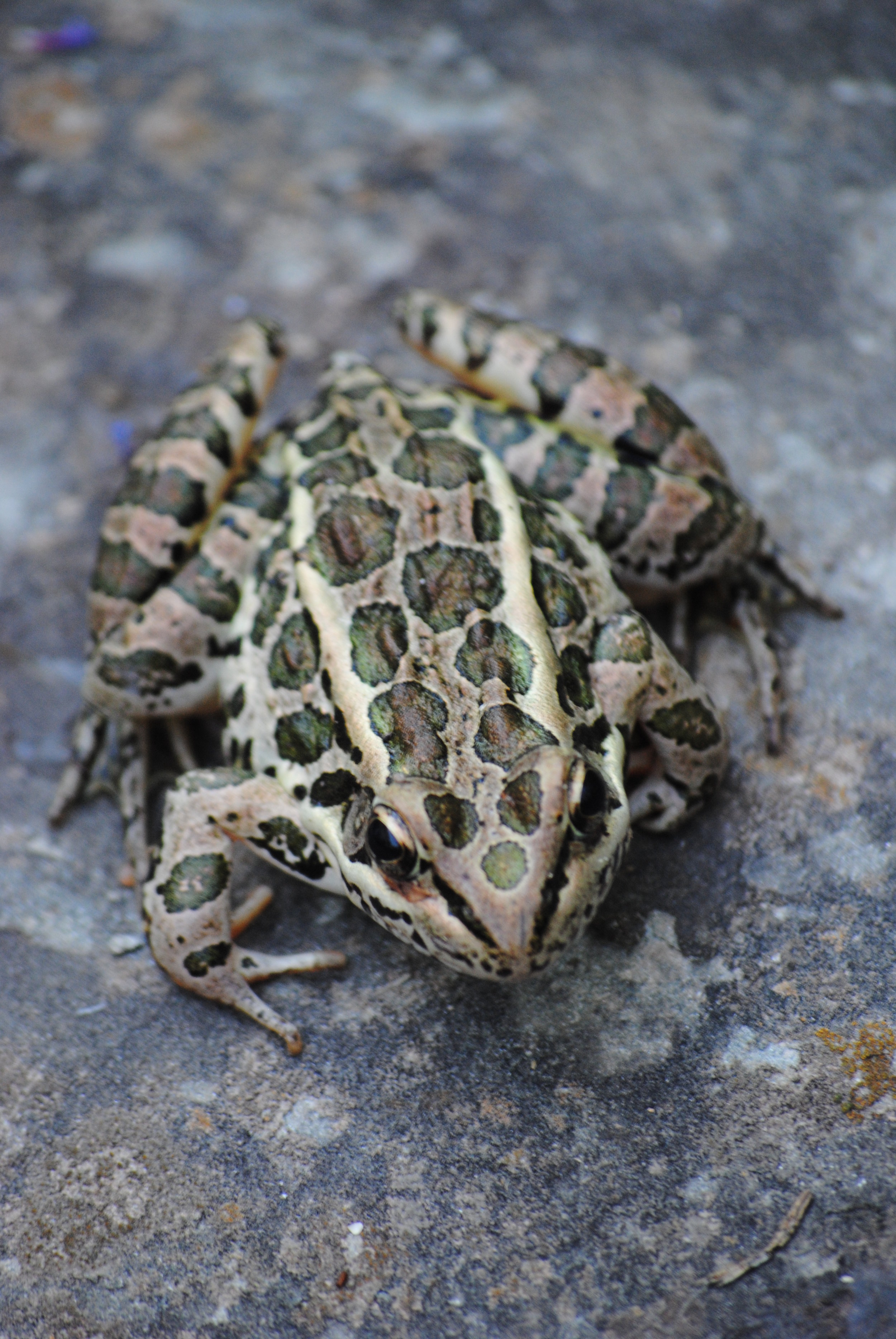
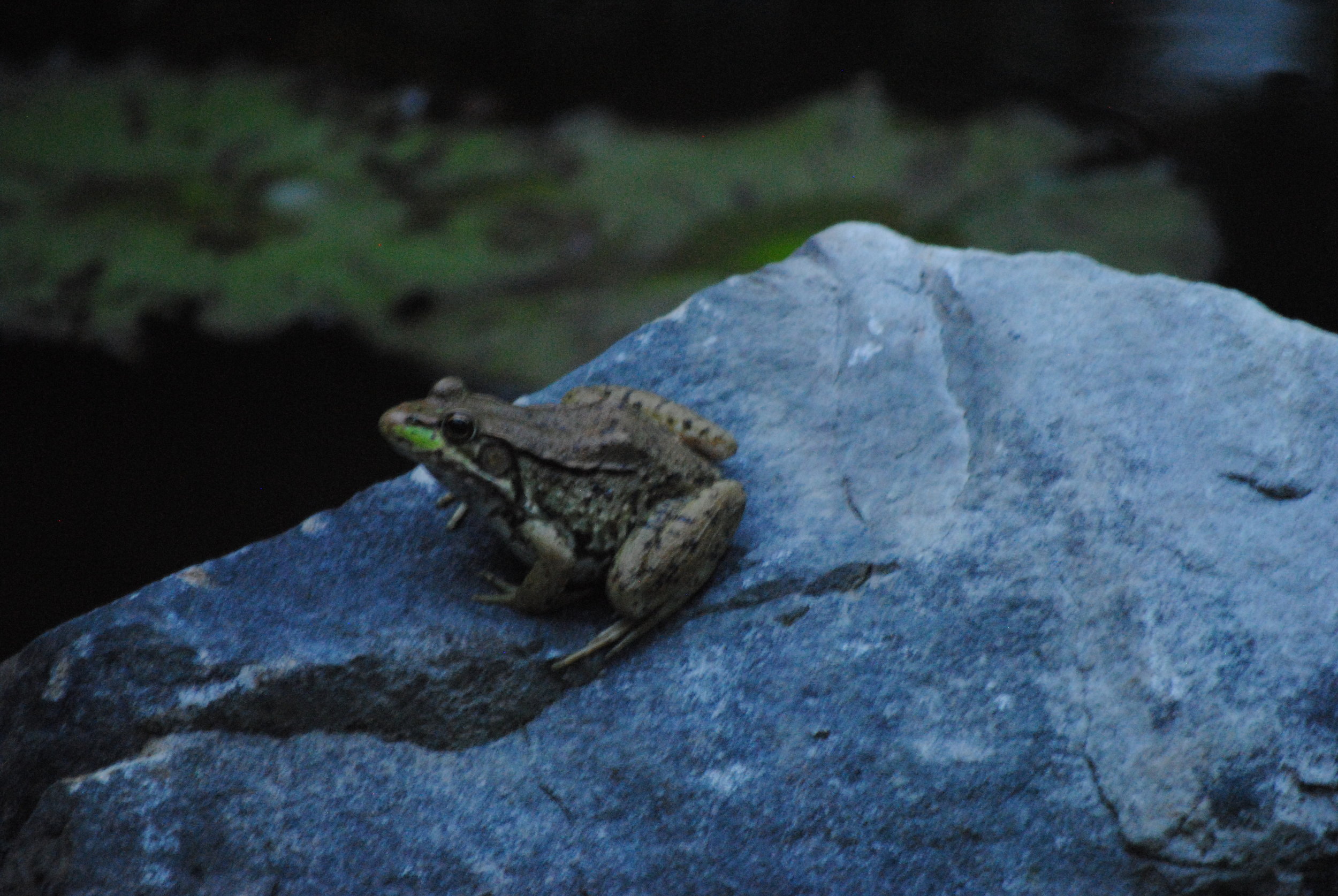
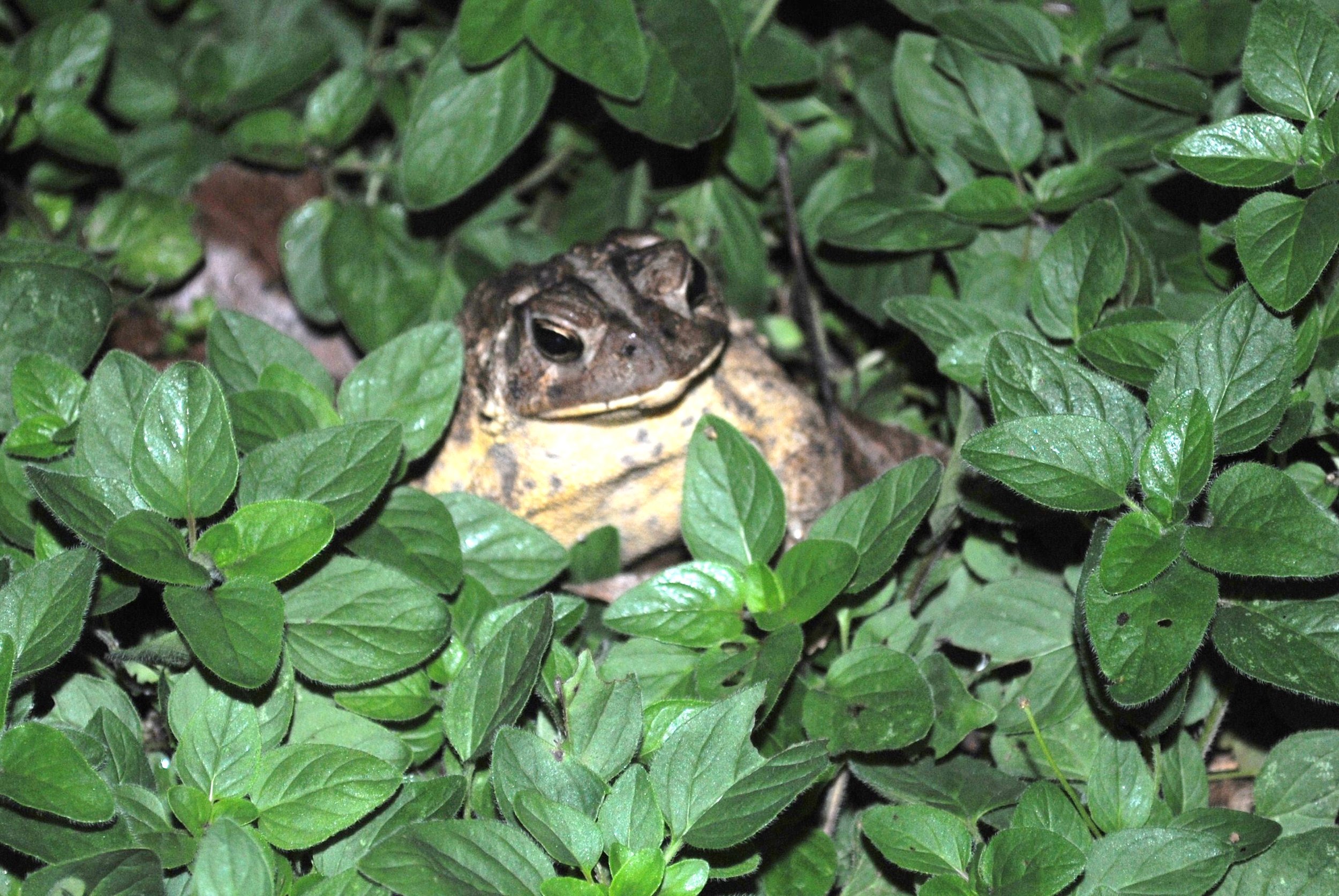
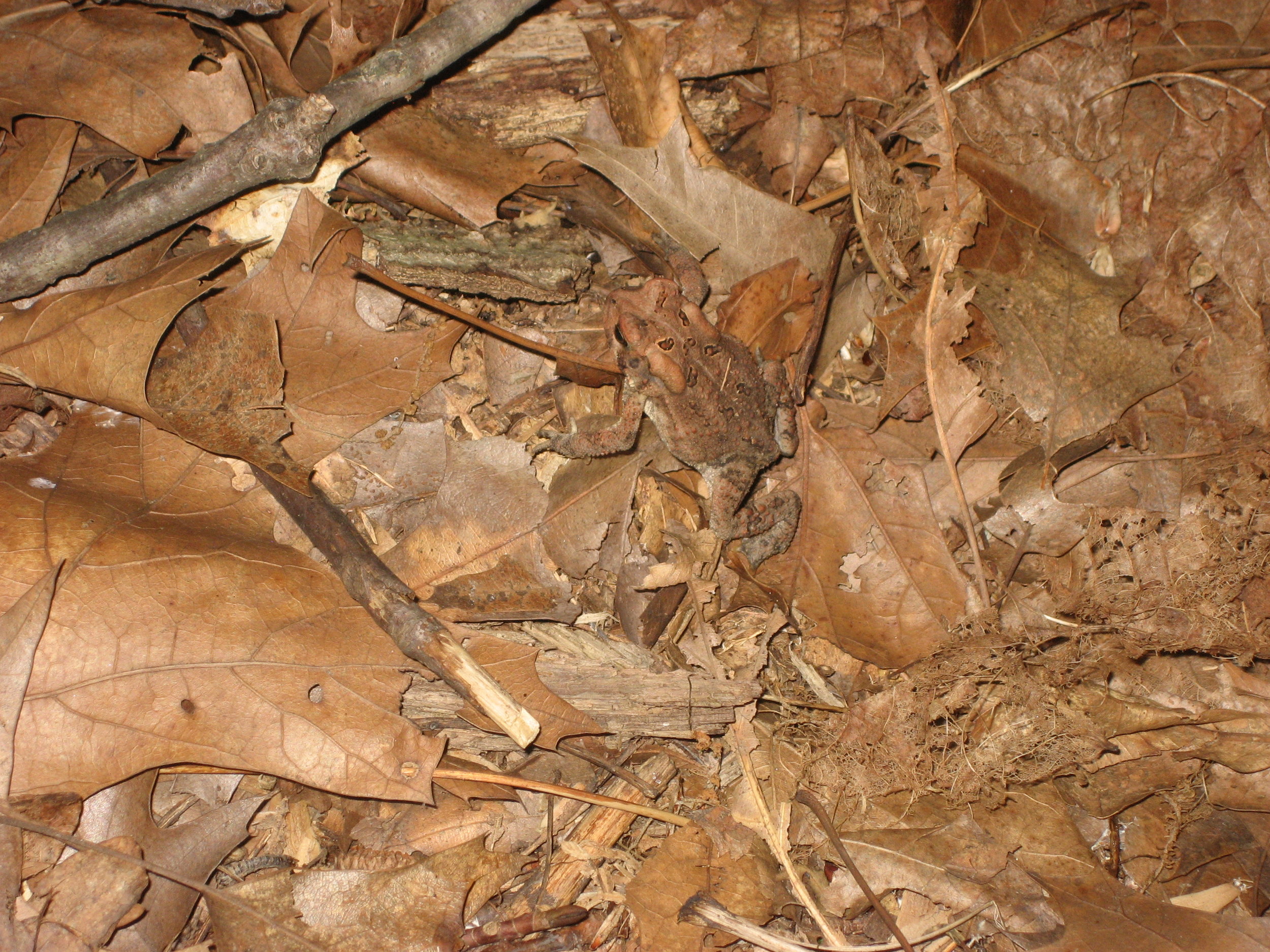
Volunteer data becomes part of a citizen-science database to track trends in the frog populations of our area.  Better, it gets you outside listening to the sounds at dusk and learning about the amphibians living near you.  I was surprised when I did it that the natural pond in the woods near our home had fewer frogs, both in number and diversity, than the system of ponds I've added to our garden.  I think the primary difference is habitat--I have greater diversity of plant material nearby.  Becacuse of deer the woods have little understory beyond invasives. Other factors could be at play too.  This past year I did not do the FrogWatch program but having been attuned to the frogs I noticed that there were changes in the populations of frogs from the previous year.  Fewer spring peepers, for example.  Photos below are a few friend found in our garden.

Why are Frogs and Toads Important?

Frogs and toads are pollution sensitive organisms and are indicators of environmental health. Frogs and toads are both predators and prey, serving an important role in aquatic food webs. As predators, tadpoles help clean waterways by feeding on algae and adult frogs and toads feed on insects that can be pests and transmit diseases, such as mosquitoes. They also serve as a food source for many other organisms.

From FrogWatch

From FrogWatch


What Next?

Thanks to all who helped on November 18 at Pleasant View.  The native plant garden is ready for winter and I am personally relieved to have a huge job done with the help of many.  A small group of us stayed after the garden event to talk about what next for Earth Stewardship East.  We need your input too.  Please think of ways we can enjoy nature together, inspire better earth stewardship, plan our next big project, and share our message with others.
Thank you for caring about our shared earth.  I'm waiting to hear from you:  What's next?  

--Merikay

20171118_110717 (2).jpg

What's Next? 


We need to hear from you.

Susquehanna River

Photo:  Susquehanna near New Harmony, PA where Joseph Smith and Oliver Cowdrey were baptized. www.lds.org/scriptures/history-photos/photo-5?lang=eng

Photo:  Susquehanna near New Harmony, PA where Joseph Smith and Oliver Cowdrey were baptized. www.lds.org/scriptures/history-photos/photo-5?lang=eng

 The longest river on the East Coast, the Susquehanna River runs 464 miles before draining into the Chesapeake Bay.  I love driving across the Susquehanna bridge near Port Deposit.  Not only is the broad river beautiful but it reminds me of our LDS heritage.  I recently heard a friend describe her feelings of sacred connection as she stood on the banks of this river where Joseph Smith and Oliver Cowdrey were baptized. 

In 2015 a new Priesthood Restoration Church History Site was opened in what was historically known as Harmony, Pennsylvania -- now Oakland Township. (The dedication service is available online.  I enjoyed hearing Pres. Nelson share a description of Emma Hale given by her family: "She was a good horsewoman and a canoe on the river was her plaything.") The new Restoration site includes a visitors’ center and meetinghouse, the reconstructed homes of Joseph and Emma Smith and Isaac and Elizabeth Hale, the maple woods where John the Baptist restored the priesthood, the baptismal site at the Susquehanna River, a trail system, and new statuary. 

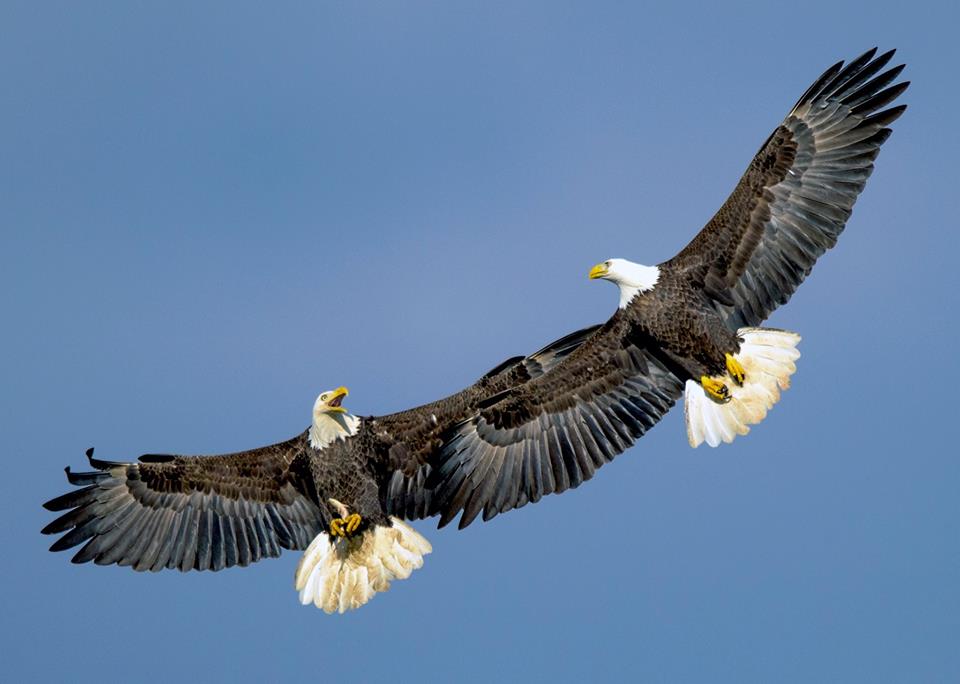
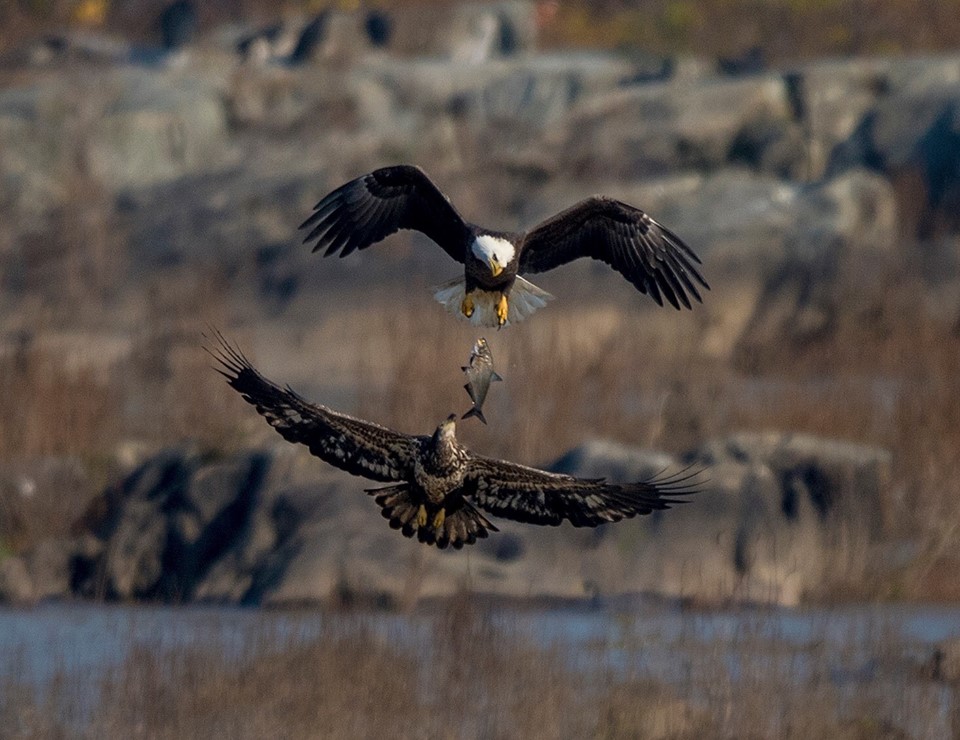
It was a revelation to me that the Susquehanna is also home to these gracefully powerful bald eagles.

A point of interest to birders is the Conowingo Dam on the Susquehanna where bald eagles are often found fishing.  Photos above are from Ralph Johnson (LDS member from Virginia) taken at the Conowingo Dam.  Check out this video of the dam:  www.youtube.com/watch?v=cU0gn9A3lvI

If you're interested in exploring the river, there's a lower Susquehanna water trail, a 53-mile-long paddler’s adventure that begins at the New Market Boat Access near Harrisburg, Pennsylvania, and ends a few miles south of the Mason-Dixon Line at the Broad Creek Access in Maryland – offering a tremendous diversity of natural and built environments. From the gritty Steelton to the Conejohela Flats—an internationally renowned bird habitat at Washington Boro—the Susquehanna is a contrast of working river and wilderness.  http://susquehannawatertrail.org/ 

Perhaps you, like me, might take time for a local vacation to explore this river and our LDS history.  

Feed the Birds

Photo:  Ralph Johnson

Photo:  Ralph Johnson

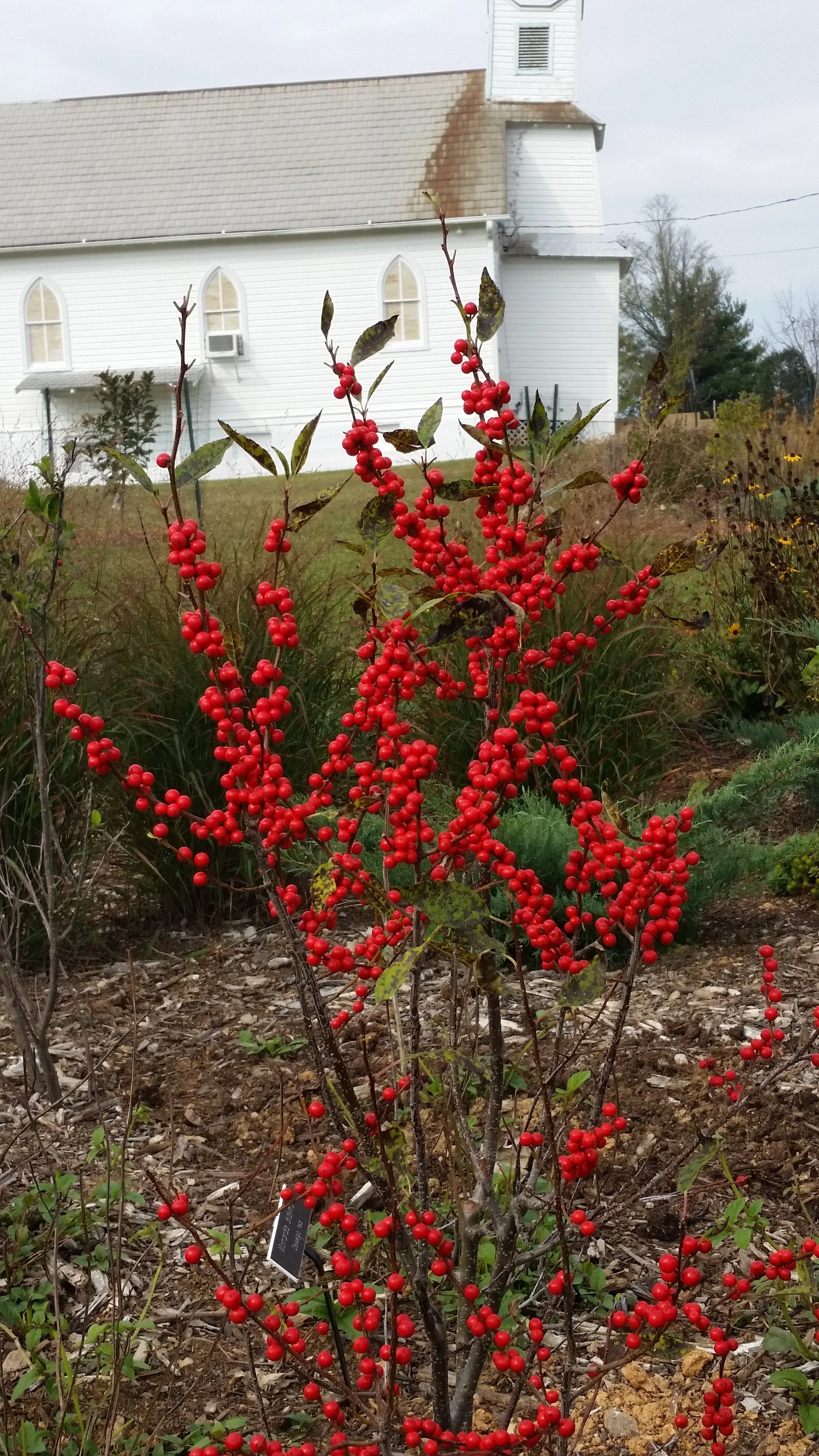
Buying bird feeders and seeds can augment natural food sources, yet it's better if we create habitat that provides the right mix of foods year round for our feathered friends.  Native plants with berries that persist through the winter is one example.  Plus they can be lovely for us too.

Examples of this at our Pleasant View garden include the native winterberry, Ilex verticillata.  We planted 'Winter Red' though other cultivars are also available.  All require a separate male plant for pollination or the female plants won't set berries.

Please join us on Saturday, Nov. 18 for our last volunteer date of the fall plus our annual Earth Stewardship East meeting at noon (pizza lunch with discussion of plans for next year).  RSVP.  PLEASE.  merikays@verizon.net     

Invite friends to join us online, even if they can't come in person to events.  "Like" us on Facebook too.  Thanks.